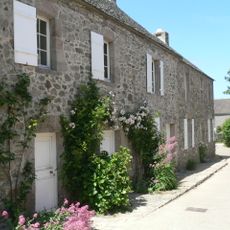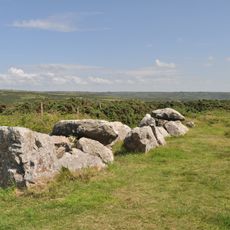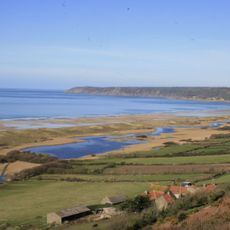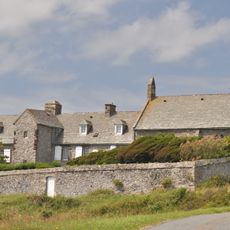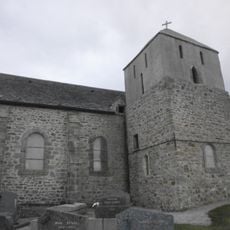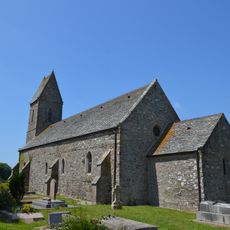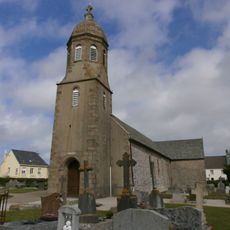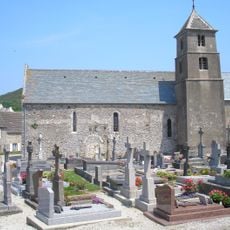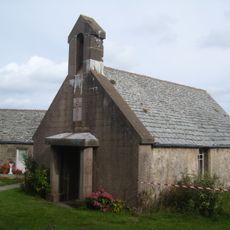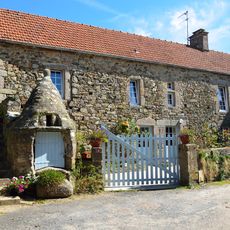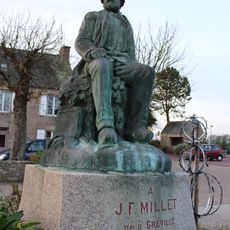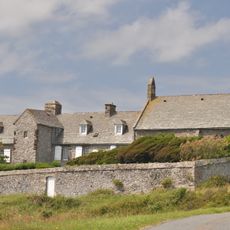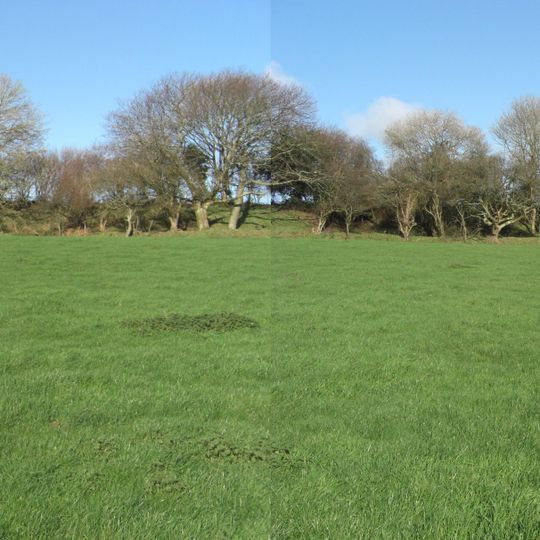
Hague-Dick, Archaeological site in La Hague, France.
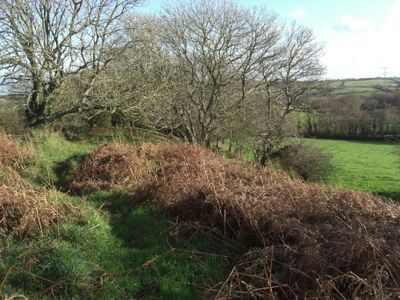
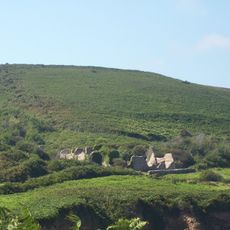
Hague-Dick stretches roughly six kilometers from Herqueville to Éculleville, displaying earthwork ridges with base widths of seven to eight meters and heights reaching seven meters. The structure forms a distinctive feature in the landscape with clearly visible ramparts and ditches.
Excavations between 1951 and 2004 uncovered objects from the Bronze Age through the Middle Ages, with carbon dating pointing to construction between 900 and 800 BC. These findings indicate the structure was used and reused across many centuries.
The name blends Norse elements, where Hague refers to pasture enclosures and Dick derives from terms meaning ditch or earthwork construction. These naming traditions reveal how early inhabitants understood and organized this landscape.
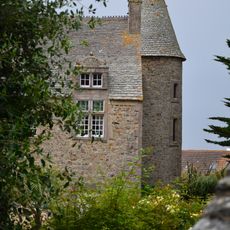
The most accessible section lies northwest of Beaumont near Château de Beaumont, displaying defensive platforms and preserved earthen slopes. Walking along the visible segments gives you the best view of the structure's height and construction.
Duke Anne de Joyeuse ordered partial destruction of the structure in the 16th century, yet about 2.6 kilometers of earthwork remain visible today for study and exploration. These remains show how resilient the original construction truly was.
The community of curious travelers
AroundUs brings together thousands of curated places, local tips, and hidden gems, enriched daily by 90,870 contributors worldwide.