Hôtel de Castries, Classified historic mansion in the 7th arrondissement, Paris, France
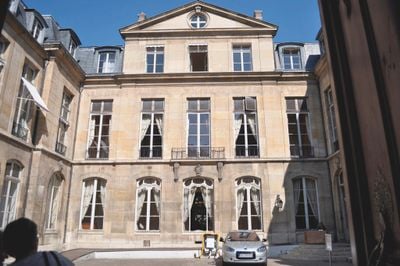
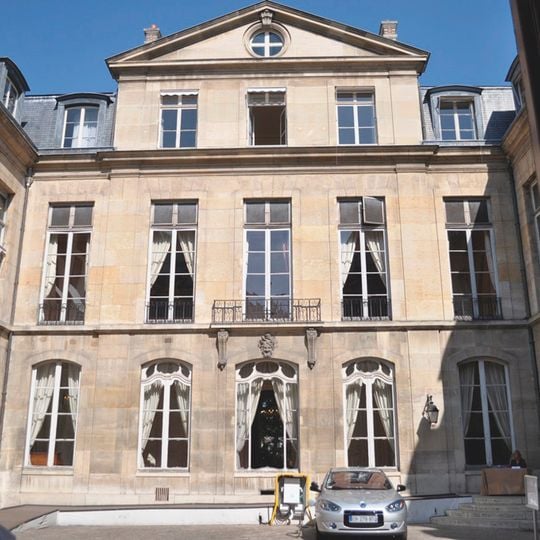
The Hôtel de Castries at 72 Rue de Varenne is a light beige stone mansion with a symmetrical three-storey facade, a triangular pediment with a round window, and a dark slate roof. A projecting stone porch with rusticated quoins frames the dark wooden door, above which an inscription reads "HOTEL DE CASTRIES". The building is organised around a square courtyard with two wings linked by a high wall topped with a balustrade.
Built at the end of the 17th century for Jean Dufour, seigneur de Nogent, the hôtel was sold on 27 September 1708 to Joseph François de La Croix de Castries, financed by an inheritance from his uncle, Cardinal de Bonzi. The family kept it until the late 19th century. Pillaged on 13 November 1790 and seized as an émigré's property, it was assigned to the Ministry of War.
The name comes from the La Croix de Castries family, who owned it from 1708 until the end of the 19th century. Stendhal set scenes at the hôtel in Le Rouge et le Noir (1830) and Vie de Henry Brulard. From 1851 the duke rented apartments to families such as the Clermont-Tonnerre and La Rochefoucauld-Liancourt.
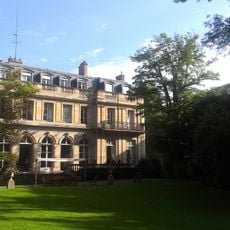
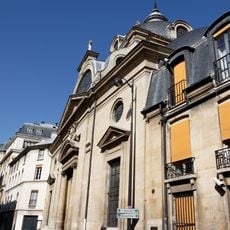
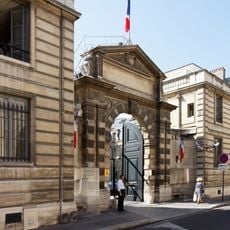
The building is located in the 7th arrondissement in a quiet area on the left bank and is surrounded by other historic buildings. Visitors should be aware that this is a government building and access to interior spaces may be restricted or not available at all.
Architect Joseph-Antoine Froelicher completely transformed the building between 1843 and 1863, creating the distinctive facade and interior layouts visible today. This extensive renovation significantly changed the appearance of the mansion and defines its current look.
The community of curious travelers
AroundUs brings together thousands of curated places, local tips, and hidden gems, enriched daily by 92,749 contributors worldwide.