Musée des Beaux-Arts et d'Archéologie Joseph-Déchelette, Art and archaeology museum in Roanne, France
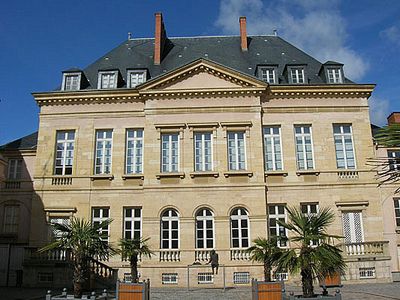
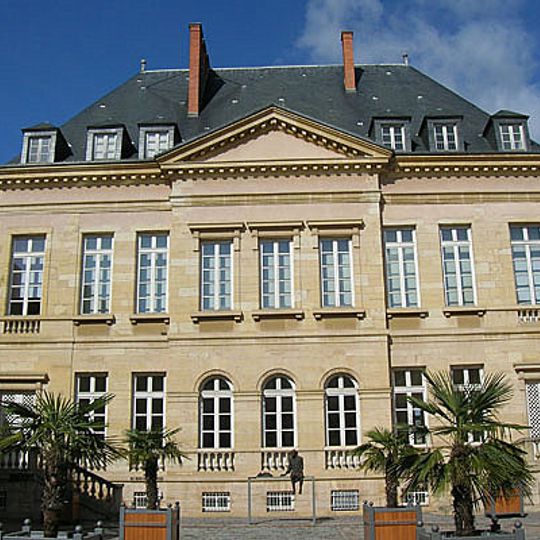
The Musée des Beaux-Arts et d'Archéologie Joseph-Déchelette occupies a pale tan stone building with a dark slate roof, a central triangular pediment over three bays, two brick chimneys and white-framed dormer windows. Its archaeology collections cover the Gaulish and Roman town of Rodumna, including painted "Roanne" bowls and two bronze statuettes from Jœuvres, alongside 250 Egyptian pieces such as the mummy and sarcophagus of Nesyamon.
The institution opened in 1844 inside a former Capucin Convent, established with the support of local archaeologist Fleury Mulsant. It grew into an important center for preserving and displaying art and archaeological discoveries from the area.
The museum's name honours Joseph Déchelette, the Roanne archaeologist and curator from 1892 to 1914 who led the first real excavations beneath the town. A room is devoted to him. Gallo-Roman bowls painted in the local style are known as "Roanne" bowls because of the quantity made here in the first two centuries AD.
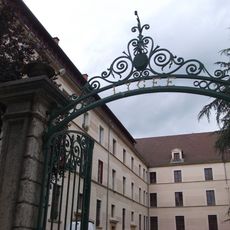
The museum occupies the first floor of Joseph Déchelette's widow's former townhouse, a building inscribed as a monument historique on 10 April 1981. After her death the museum took over the whole building. The archaeological rooms, including the Egyptian collection, sit alongside the fine-arts galleries.
The Egyptian holdings rank second in Auvergne-Rhône-Alpes after the Musée des Beaux-Arts de Lyon. Joseph Déchelette bought about 250 pieces during a business trip to Egypt in 1893, among them the coffin and mummy of Nesyamon, then sold to wealthy Europeans as souvenirs. A funerary headrest from the 4th dynasty and two Greco-Roman mummy masks are also displayed.
The community of curious travelers
AroundUs brings together thousands of curated places, local tips, and hidden gems, enriched daily by 94,502 contributors worldwide.