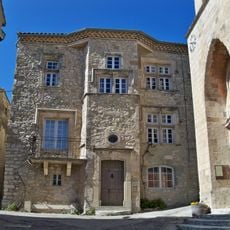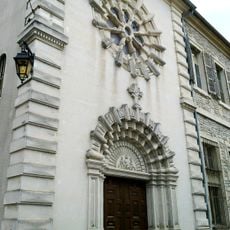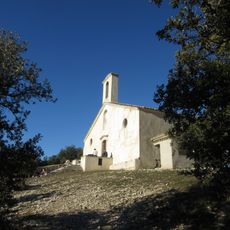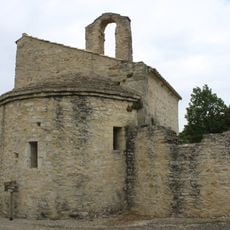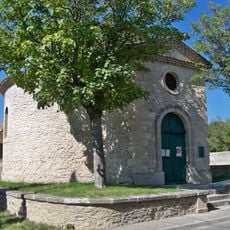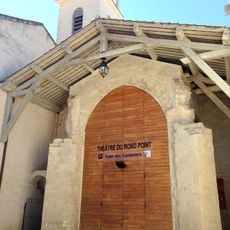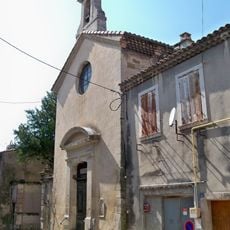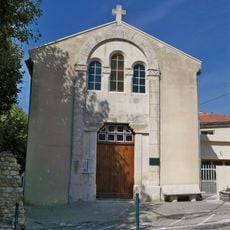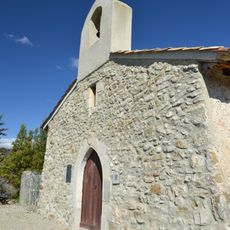
Musée Archéologique du Pègue, Archaeological site and historic monument in Le Pègue, France.
The Musée Archéologique du Pègue sits atop a fortified hilltop and displays remains of an ancient settlement with walls and structures spread across roughly three hectares. The excavated site contains layers with different pottery types that record various phases of human activity.
The settlement began around 525 BCE and maintained early trade contacts with Massalia through imports of Greek black-figure pottery. Later came a shift toward Italian-Greek wine containers, reflecting changes in trading routes.
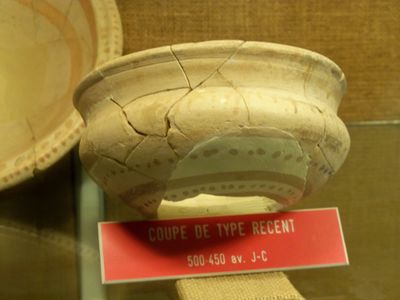
The museum displays pottery with Ionian influences that shows trade connections between Phocaean merchants and the local Voconces people. These ceramic pieces tell the story of economic ties built through commerce.
The site is best reached on foot, as the climb to the hilltop is steep and parking is limited. Visitors should wear good shoes and bring plenty of water, especially on warm days.
A striking gap of six generations in the findings shows that Phocaean goods briefly stopped arriving. This absence of Greek imports points to a break in established trade ties that was only rebuilt later.
The community of curious travelers
AroundUs brings together thousands of curated places, local tips, and hidden gems, enriched daily by 91,104 contributors worldwide.