Oppidum de Nages, Iron Age fortified settlement in Nages-et-Solorgues, France
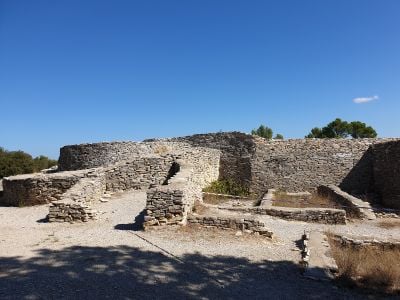
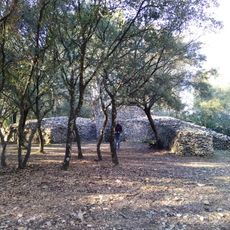
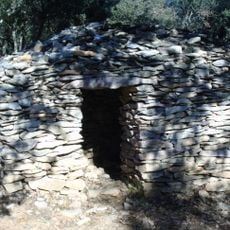
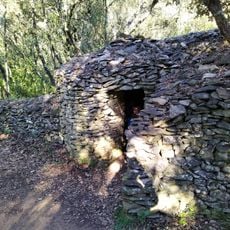
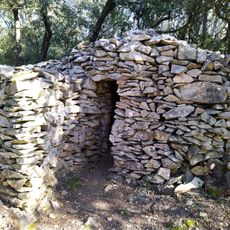
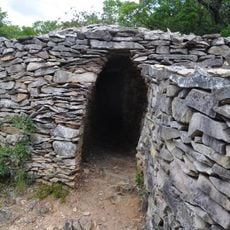
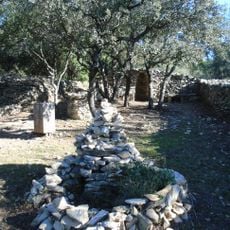
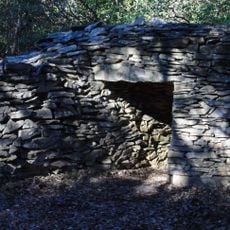
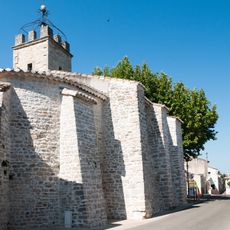
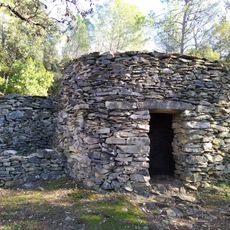
Oppidum de Nages is a hilltop settlement above Nages-et-Solorgues, about 15 km west of Nîmes, ringed by four successive ramparts built from 290 BCE to 10 CE. Long stretches of flat-stone walling, watch and defence towers, streets on a grid plan, houses, shops and a fanum have been uncovered and partly restored. The dry-stone walls, laid in visible horizontal courses, curve and angle across the uneven ground.
The Volques Arécomiques tribe founded this settlement between 290 and 250 BCE as a fortified center in the region, which lasted until Roman forces arrived. The site marks a crucial transition between independent Celtic communities and Roman rule.
The settlement shows early Celtic architecture with houses of similar size arranged along streets, reflecting how residents organized their daily community life. Walking through the layout today gives a sense of the social order and planning that shaped their living spaces.
The archaeological site lies west of Nimes and is accessible via country roads approaching from Nages-et-Solorgues village. Visiting requires weather-appropriate clothing and sturdy footwear, as the hilltop location is exposed and the paths across the site can be uneven.
The fanum, or Gaulish temple, uncovered at the site dates from 70 BCE, not 70 CE, and was destroyed by fire at the start of the 1st century CE. That blaze marks the abandonment of the oppidum, whose inhabitants moved down to Nemausus (Nîmes). The site was briefly reoccupied in the 3rd century, when a fifth and last wall enclosed its north-western quarter.
The community of curious travelers
AroundUs brings together thousands of curated places, local tips, and hidden gems, enriched daily by 94,121 contributors worldwide.