Ouvrage Rochonvillers, Military fortification in Rochonvillers, France
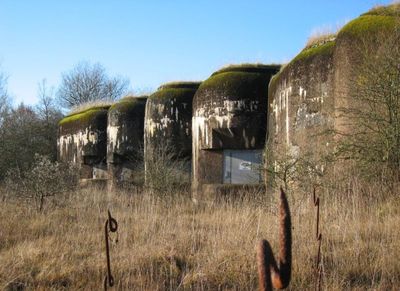
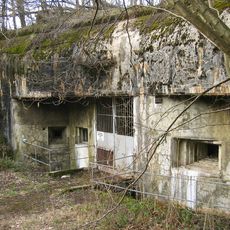
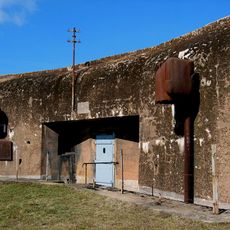
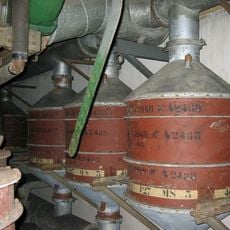
Ouvrage Rochonvillers is an underground military fortification with nine combat blocks and two entrances connected by galleries approximately 30 meters below ground level. The structure contained sleeping quarters, kitchens, ammunition storage, power generators, and ventilation systems designed to operate independently for extended periods.
French forces built this Maginot Line fortification between 1929 and 1935 as part of their eastern border defense strategy. During the 1980s, the site was converted into a nuclear-resistant command center capable of sheltering large groups for extended periods.
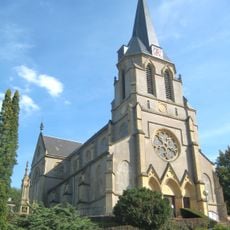
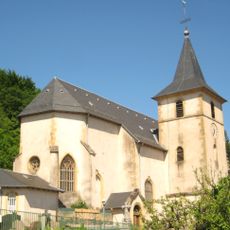
The fort's name comes from the hilltop village of Rochonvillers above it, and its blocks are named after the officers who commanded them, such as Lieutenant Ballot at Block 5 and Lieutenant Berland at Block 6. The design follows Colonel Tricaud's 1917 fort palmé concept, published in the Revue du Génie and backed by Marshal Pétain in 1927. Local residents opposed the earlier "village" scheme, a very large and costly version of the work.
Access involves climbing stairs and navigating narrow underground passages that require reasonable physical fitness. Interior spaces remain consistently cool and damp, so bringing an extra layer of clothing is advisable.
The garrison numbered 756 men, including 26 officers, under Chef d'Escadron Guillemain, drawn from the 169th Infantry Regiment and 151st Artillery Regiment. Block 5, with three 75 mm gun embrasures and a 135 mm grenade launcher embrasure, is the largest block in northeastern France. A 1934 plan to link the fort to the nearby Rochonvillers iron ore mine as an emergency exit was dropped.
The community of curious travelers
AroundUs brings together thousands of curated places, local tips, and hidden gems, enriched daily by 94,105 contributors worldwide.