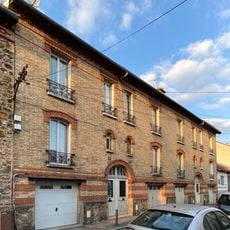
Redoute du Moulin de Saquet, 19th century fortification in Vitry-sur-Seine, France
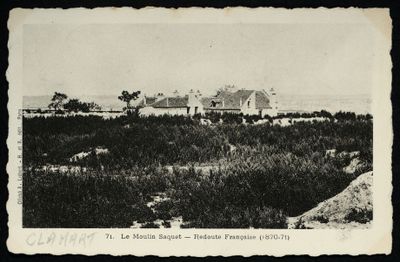
The Redoute du Moulin de Saquet is a 19th century earthwork fortification located between Fort d'Ivry and the Hautes-Bruyères redoubt on the southern edge of Paris. It formed part of a four-fort defense network across Vitry-sur-Seine territory that controlled access to the Seine River and the approaches toward Villejuif.
The fortification was hastily built in 1870 during the Franco-Prussian War to reinforce Paris' southern defenses against advancing German forces. During the Paris Commune that followed, it became a site of intense fighting as communards held it as a strategic position until their defeat in May 1871.
The fortification takes its name from a former windmill demolished in 1857, and this heritage lives on through local street names like Avenue du Moulin-de-Saquet. The naming reflects how the site's past remains woven into the urban fabric of the area today.
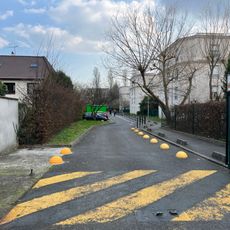
The redoubt stood at the top of the slope above the Seine, at the end of what is now rue Camélinat in Vitry-sur-Seine, between Fort d'Ivry and the Hautes-Bruyères redoubt. The military engineers built an access road from Paris for the works, still called rue du Génie. The site is reached on foot from the surrounding streets; the ground is open hillside, so plan for slopes and weather rather than for marked paths.
The redoubt was an earthwork, built faster than the stone redoubt first planned, and its guns covered the plain below: from here the communards could bombard L'Haÿ, Chevilly, Choisy and Vitry. On 17 January 1871 its artillery silenced a Prussian field battery, leaving men and horses on the ground.
The community of curious travelers
AroundUs brings together thousands of curated places, local tips, and hidden gems, enriched daily by 93,471 contributors worldwide.