Musée Comtadin-Duplessis, Municipal art museum in Carpentras, France
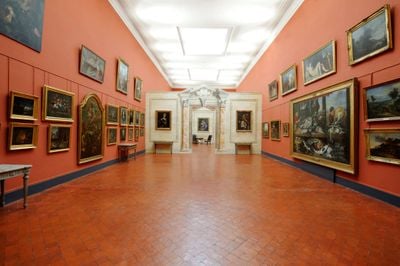
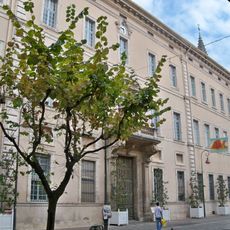
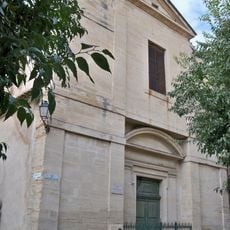
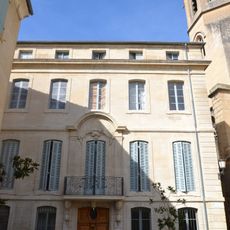
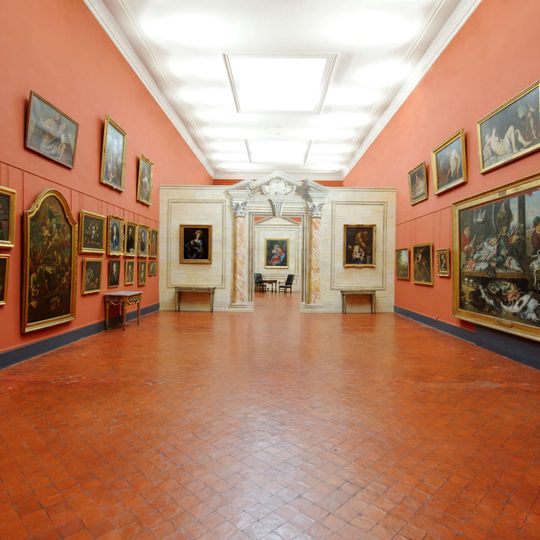
The Musée Comtadin-Duplessis occupies a building opened in 1888, designed by Jean Camille Formigé on the model of Parisian museums. Its galleries have deep orange-red walls, terracotta tile floors and a white ceiling with recessed light panels; framed paintings hang in rows on both sides. At the far end, a pale stone archway with two fluted columns and a triangular pediment leads into a smaller room with a bench and two red-seated chairs.
The museum was founded in 1888 when private citizens of Carpentras decided to create a space for preserving local art and heritage. Their initiative resulted in a dedicated building that opened to house collections for the growing community.
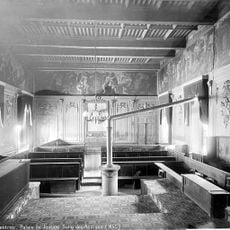
The ground-floor Museon Countadin, founded in 1913 after Frédéric Mistral's Museon Arlaten, gathered the popular arts of the Comtat Venaissin. Its room showed the gifts of the Carpentras Mont-de-Piété, ex-votos from Notre-Dame-de-Santé, Comtadin headdresses, crèches and santons, plus bird calls from the Maison Raymond, bells from the Simon foundry and keys.
The museum operates only during warmer months and closes on certain days, so visitors should check current hours before planning a trip. It sits in the city center and is easy to find on foot while walking through Carpentras.
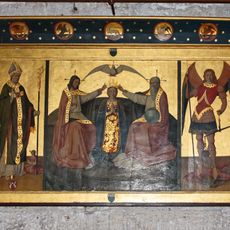
Among the paintings are works of Qajar art from 19th-century Persia, when the Qajar dynasty ruled. The museum also holds a portrait of Joseph Fornery attributed to Carl van Loo and a copy after Rigaud's portrait of Voyer de Paulmy d'Argenson. The ethnographic room keeps bird calls made by the Maison Raymond and bells from the Simon workshop.
The community of curious travelers
AroundUs brings together thousands of curated places, local tips, and hidden gems, enriched daily by 94,375 contributors worldwide.