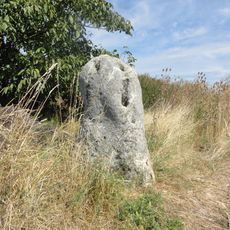
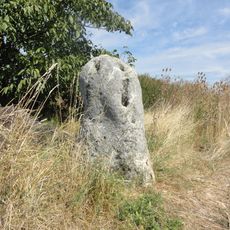
Grotte de Saran IV, cave in France
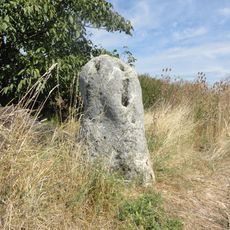
Grotte de Saran IV is a Neolithic burial site located in Chouilly, northern France, comprising underground chambers carved into chalk stone. The structure features three main rooms connected by narrow passages, with walls showing tool marks from ancient construction and low ceilings typical of these early tombs.
The tomb dates to the late Neolithic period and was discovered in the mid-1800s by farmers during field work who uncovered the underground chambers. The site received official protection in the early 1960s as a classified historical monument to preserve this evidence of early human activity.
The site carries cultural meaning as a place where early communities expressed their beliefs about death and remembrance. Visitors today can sense how people thousands of years ago treated their dead with care and ritual, leaving behind a quiet testimony to their values.
Wear sturdy shoes and bring a flashlight to safely explore the dark underground passages and chambers. Follow local guidelines by not touching the walls or removing any items, as these measures help preserve the ancient site for future generations.
One passage contains a carved relief depicting a long stem with a circle above, resembling a flower or symbol whose original meaning remains debated by experts. Some believe it was a mark of power or decoration, while others think it may be a later addition from a different era.
The community of curious travelers
AroundUs brings together thousands of curated places, local tips, and hidden gems, enriched daily by 92,949 contributors worldwide.