Théâtre gallo-romain d'Areines, theater in Areines (Loir-et-Cher)
The Théâtre gallo-romain d'Areines is an ancient Roman theater in the French town of Areines built during the period of Roman settlement. The structure features a typical semicircular form with seating areas and a central performance space, similar to other Roman theaters in Gaul, and was large enough to hold over 2000 people.
The theater was built during the Gallo-Roman period when Romans and native Gauls inhabited the region together and created cultural structures. The remains were discovered in the early 1860s when farmers plowing the fields found stones and damaged walls, prompting the first archaeological excavations.
The theater served as a central gathering place in Gallo-Roman times, where the community came together for performances and public meetings. The name Areines likely derives from the Latin word "Arenas", reflecting the importance of this site as a hub for social life.
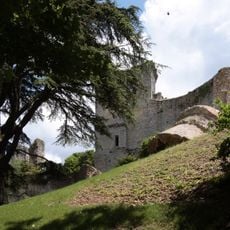
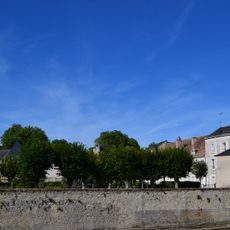
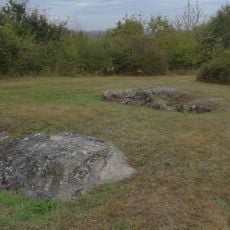
The theater's remains are mostly buried under a thin layer of soil, so only a slight rise in the ground and some stones in the grass are visible. Information panels nearby help visitors understand the ruins and imagine the structure of this ancient site.
The theater combines features of an amphitheater with a traditional theater, making it a rare hybrid form found mainly in rural Gaul. This dual-purpose design suggests the building could serve different types of performances or contests depending on the event or season.
The community of curious travelers
AroundUs brings together thousands of curated places, local tips, and hidden gems, enriched daily by 60,000 contributors worldwide.