Grotte d'Aldène, Prehistoric cave system in Cesseras, France
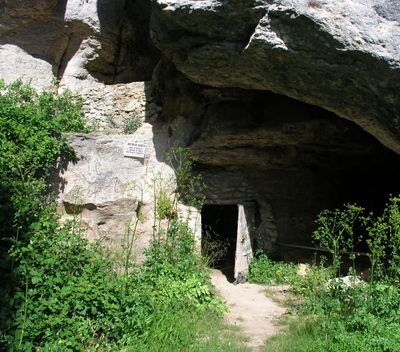
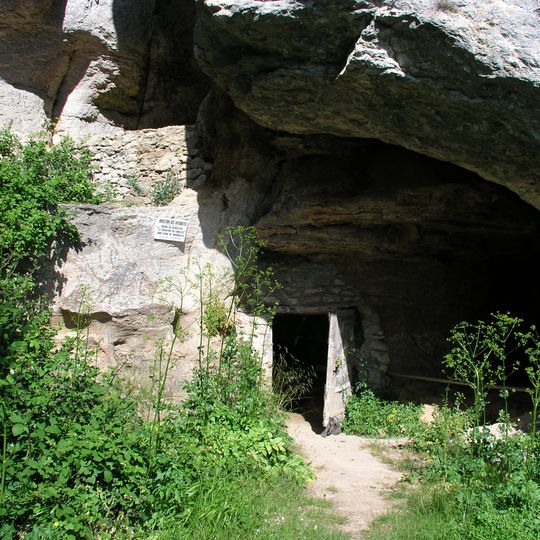
Grotte d'Aldène is a cave system with four distinct levels where the walls contain ancient engravings from the Upper Paleolithic period. The cave also shows traces of fire use, footprints, and other signs of long-term human presence.
Excavations from 1971 to 1991 revealed that humans returned to this site repeatedly over 350,000 years. The layers in the cave tell the story of continuous human presence spanning many millennia.
The cave's names include grotte de la Coquille, grotte de Minerve and grotte de Fauzan, the last recalling the phosphate deposits mined here. In 1927 the teacher M. Guerret found large Upper Palaeolithic engravings in a gallery cleared of sand, figures of rhinoceroses and bears reinforced with touches of ochre. Paul Ambert and colleagues date the style and bestiary to the same first period as Chauvet cave.
Visitors must enter the cave with a professional guide because the passages are complex and the prehistoric artworks need protection. It is wise to wear comfortable shoes with good grip and be prepared for tight spaces and uneven surfaces.
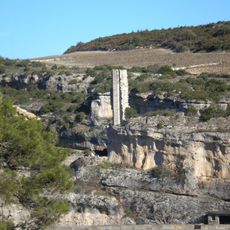
The phosphate mined here was brushite formed by the pseudomorphosis of cave-bear bones, and Armand Gautier identified it in 1879. The fertiliser was sold as minervite by the Société des Phosphates Naturels de la Grotte de Fauzan, which sank a shaft with a hoist to lift it directly from the cave; the ruins of its buildings and the shaft survive near the gorges de la Cesse.
The community of curious travelers
AroundUs brings together thousands of curated places, local tips, and hidden gems, enriched daily by 92,809 contributors worldwide.