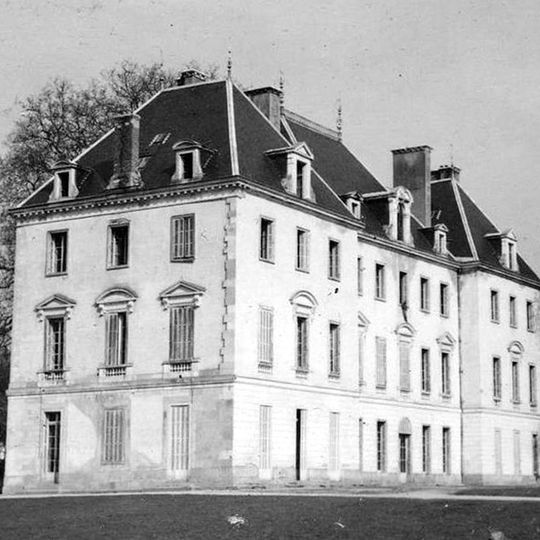
Castle of Bierre, castle in France
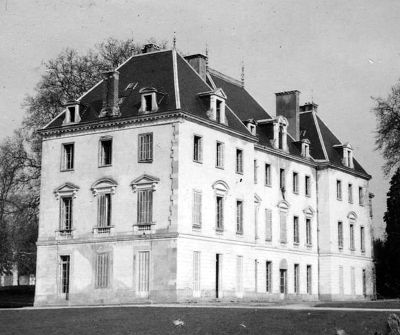
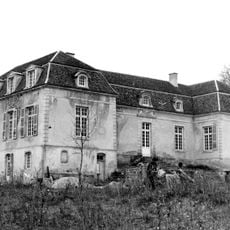
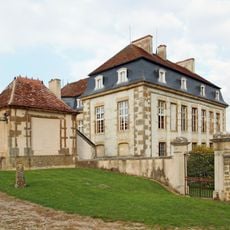
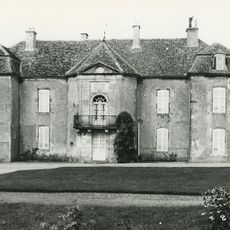
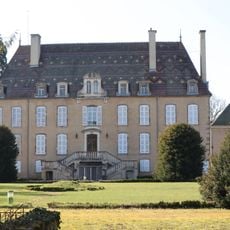
The Castle of Bierre is a large stone building with a light, flat-faced facade and a dark, steeply pitched roof, its two wings meeting at a corner. The facade has three levels: tall rectangular openings below, tall windows with alternating triangular and curved pediments in the middle, and smaller rectangular windows above. Dormer windows with curved tops and tall chimneys rise from the roof, and the building stands on a flat, grassy area.
The castle was built by Marc-Antoine Chartraire de Montigny, treasurer of the Estates General of Burgundy, who bought the Hôtel Chartraire de Montigny in Dijon in 1740. In July 1808 his great-granddaughter Reine Claude Chartraire de Bourbonne sold the estate to Gaspard Monge, founder of the École Polytechnique, who resold it two years later to Count Heudelet in 1810. Heudelet, an Empire general, created a model farm on the domain, and the castle, its outbuildings and park were listed as monuments historiques on 27 February 1946.
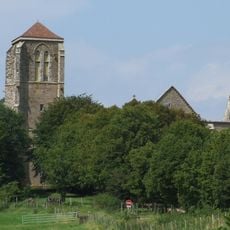
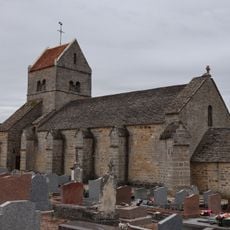
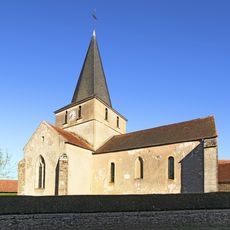
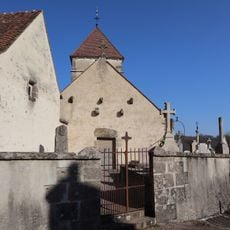
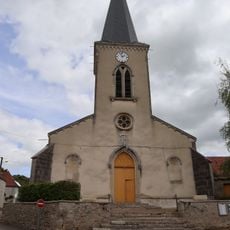
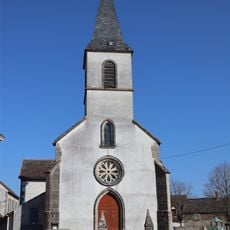
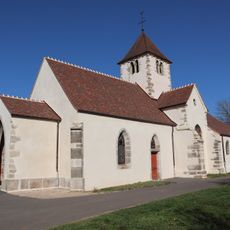
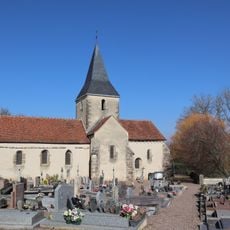
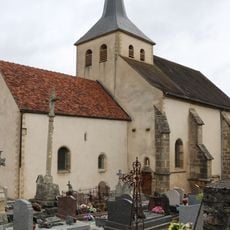
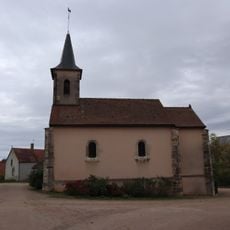
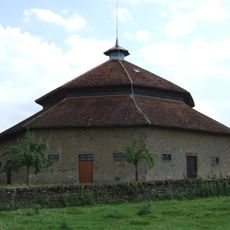
The hamlet farm at Bierre was laid out in 1787 by Antoine Chartraire de Montigny as a fashionable imitation of Marie-Antoinette's Hameau at Versailles, then turned into a model farm of national reputation by Count Heudelet de Bierre. The parish church of Saint-Léonard, listed since 1987, keeps a choir fitted out like a period salon, with carved and painted woodwork probably taken from the castle.
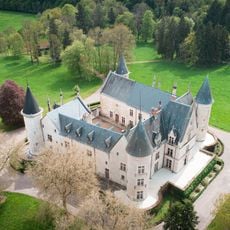
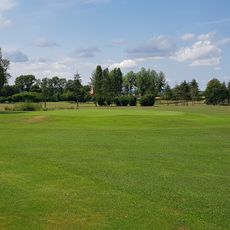
The site is not open daily for visitors but can be accessed during special tours or cultural events. The expansive grounds offer walking paths through the gardens, though facilities are limited.
Scientist Gaspard Monge, who helped found the prestigious Polytechnique school, briefly owned the castle after 1808 but sold it within two years. His connection to the property links the castle's story to important scientific developments of that era.
The community of curious travelers
AroundUs brings together thousands of curated places, local tips, and hidden gems, enriched daily by 92,865 contributors worldwide.