Château de Crèvecœur-en-Auge, Medieval castle in Crèvecœur-en-Auge, France
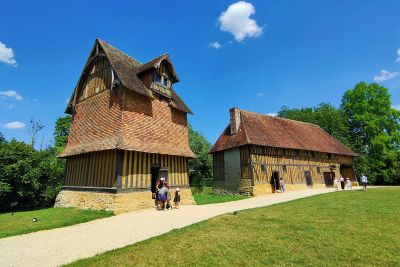
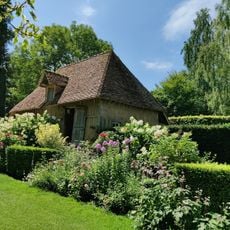
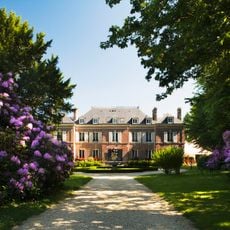
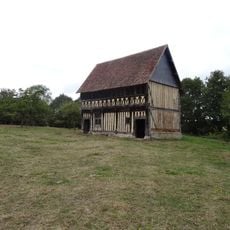
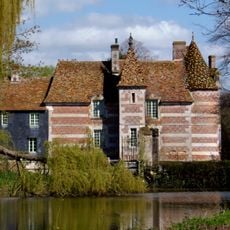
Château de Crèvecœur-en-Auge is a castle in Normandy set on a water-surrounded mound with defensive walls and a square keep. The complex includes multiple residential buildings and a dovecote with nesting boxes for hundreds of birds, which was a common feature of large medieval estates.
The castle was probably built between the late 11th and the first half of the 12th century on the road between Lisieux and Caen. Taken by the English in 1417 and entrusted to Thomas Kirkelay, it was retaken in 1448 by Dunois and rebuilt after that date. In 1591 the bishop of Évreux, Claude de Sainctes, died imprisoned here, reportedly poisoned. Abandoned and largely demolished in the 19th century, it was restored from 1972 to house the Schlumberger museum.
The name Crèvecœur is attested from the 12th century through Hugues de Crèvecœur, cited with his son Guillaume from 1112 as vassals of the Bishop of Bayeux; a Jehan de Crève-Cœur appears in a Norman Exchequer roll of 1195. The castle later gave the Montmorency family the title of viscounts, then marquises, of Crèvecœur, held until the French Revolution. Since 1973 it has housed a museum on the oil-prospecting work of Marcel and Conrad Schlumberger.
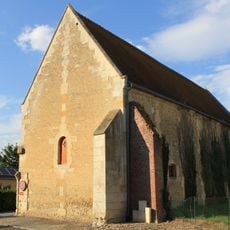
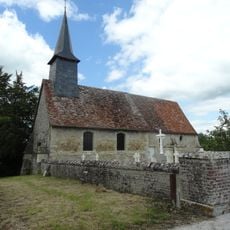
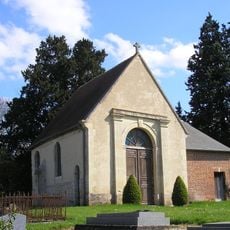
The castle stands northwest of the village, along the RN 13 road that it once controlled. Visitors cross a wooden footbridge to the arched gate, a structure brought here from the Manoir de Beuvillers. The grounds are a classified natural site, and the chapel and facades are listed monuments.
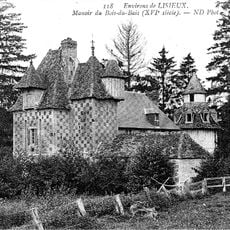
The castle's entrance gatehouse originally came from a different property, Manoir de Beuvillers in Lisieux, and was moved to this location. This relocation of a substantial building is a rare event and shows the lengths owners went to preserve architectural elements they valued.
The community of curious travelers
AroundUs brings together thousands of curated places, local tips, and hidden gems, enriched daily by 94,452 contributors worldwide.