Site archéologique de Vaas, archaeological site in France
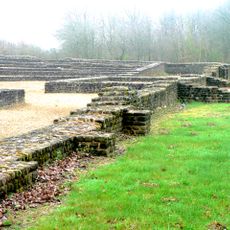
The Site archéologique de Vaas is an ancient place in France containing remains from multiple periods, ranging from the Stone Age to Roman times. The terrain features partially buried stone structures, foundations of former homes and work areas, with information signs along the paths helping visitors understand each section and its original purpose.
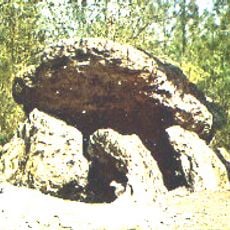
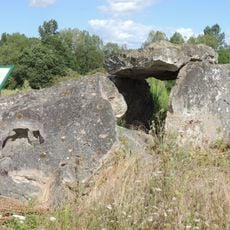
The site was inhabited as early as the Neolithic period and contains a dolmen from that era, indicating ancient burial practices. It later gained importance as a Gallo-Roman settlement called Fines, particularly because a Roman road connected it, making it a trading center and rest stop for travelers.
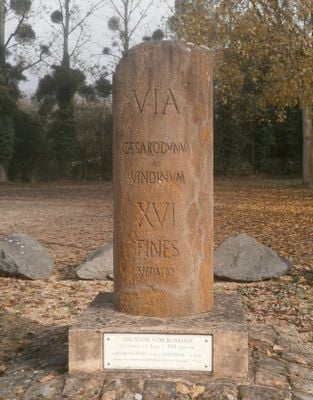
The site bore different names across time: Fines during the Gallo-Roman period and Vedacencis in the early Middle Ages. These name changes reflect how the settlement remained a significant stopping point for travelers and merchants over thousands of years.
The site is easy to visit and accessible to most visitors, with level paths that make exploration straightforward. It is advisable to bring weather-appropriate clothing and allow time for a leisurely walk through the grounds.
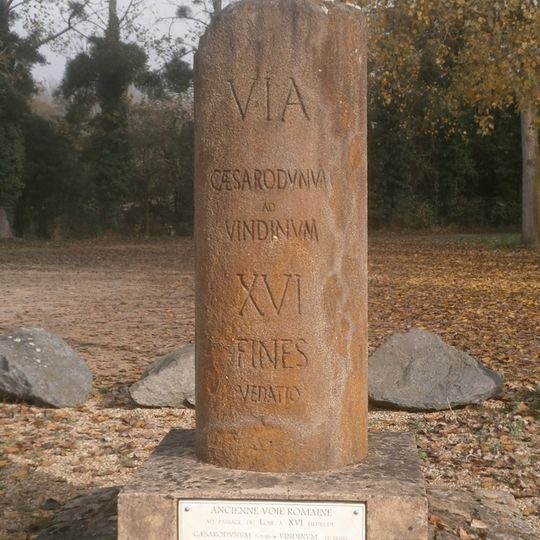
A milestone bearing a Latin inscription from an ancient Roman road reveals this place sat on a major trade route between Le Mans and Tours. A bronze bust of Cupid found on the grounds illustrates the artistic taste of wealthy inhabitants during Gallo-Roman times.
The community of curious travelers
AroundUs brings together thousands of curated places, local tips, and hidden gems, enriched daily by 60,000 contributors worldwide.