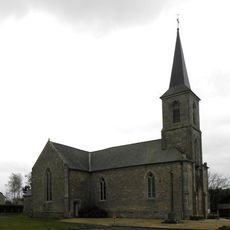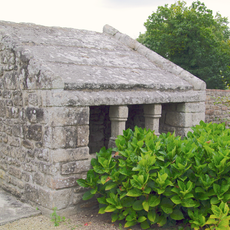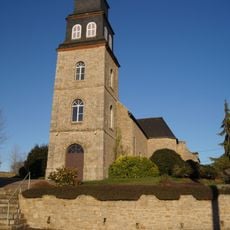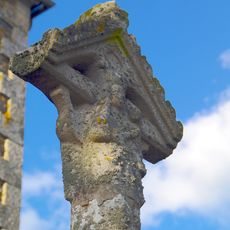
Ancient Roman sites in Corseul, Archaeological complex in Brittany, France.
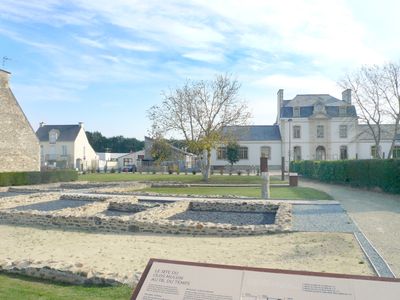
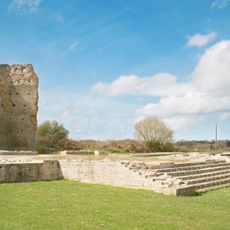
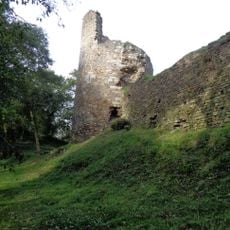
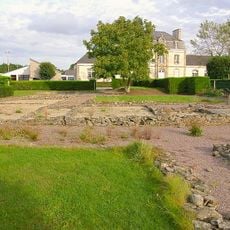
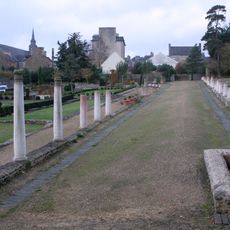
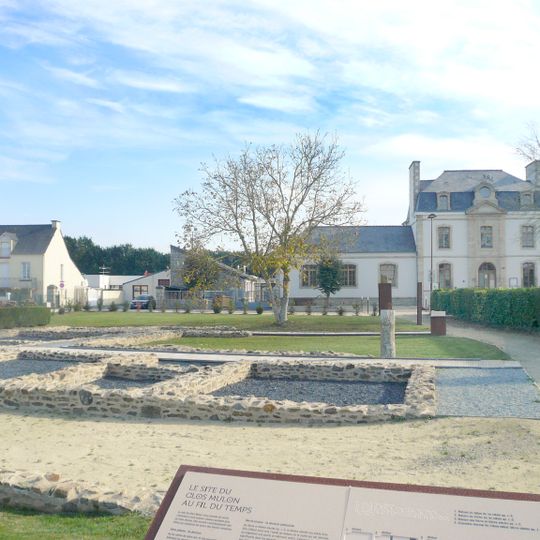
The archaeological site of Corseul covers about 100 hectares and includes the Gallo-Roman sanctuary of Mars at Haut-Bécherel, with three wall sections about ten metres high around an octagonal cella, and the Clos Mulon domus, where low stone foundation walls outline rooms and a bath complex added to the west.
The Coriosolites, a Gaulish tribe that minted its own coins and is named by Julius Caesar in 57 BC, had their capital here. Under Emperor Augustus the settlement was rebuilt as Fanum Martis, "temple of Mars", a name recorded on the Peutinger map. In the 3rd and 4th centuries the town took the people's name, Corseul, as Roman authority weakened.
The name Fanum Martis, "temple of Mars", appears on the Peutinger map and gave the Roman town its name. The sanctuary at Haut-Bécherel covered nearly a hectare, and its octagonal cella can still be made out among three wall sections about ten metres high. In the 3rd and 4th centuries the town took the name of its Gaulish people, Corseul.
The site has marked pathways through the ruins and information panels to help you find your way around. A museum in the town hall displays local archaeological finds and provides extra context about the place's history.
The Clos Mulon house was probably home to a wealthy Coriosolite notable who received clients there during the first three centuries AD. It was later extended westward with a bath complex. The low stone walls visible today trace the outlines of its rooms.
The community of curious travelers
AroundUs brings together thousands of curated places, local tips, and hidden gems, enriched daily by 94,659 contributors worldwide.