Pilier d'Yzeures-sur-Creuse, Roman monumental column at musée Minerve, Yzeures-sur-Creuse, France
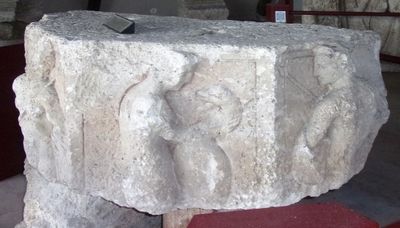
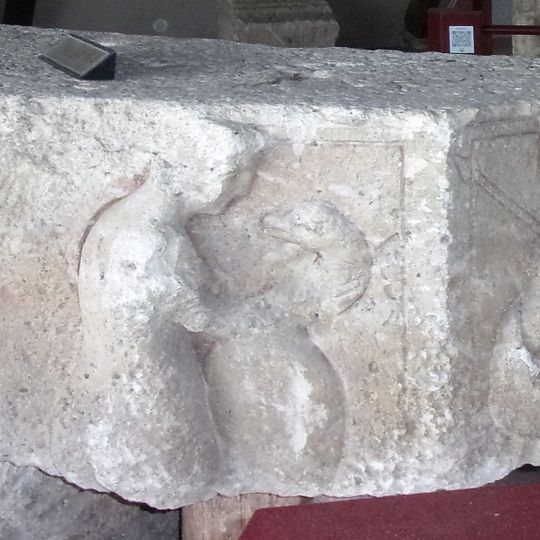
This limestone column displays carved reliefs of Roman deities and Greek mythological heroes arranged across multiple levels of its nine-meter height. The structure uses a system of steps and recesses at different depths to make the upper sculptures easier to see from the ground.
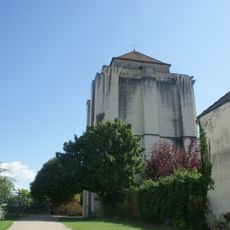
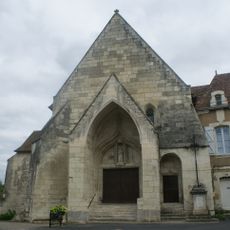
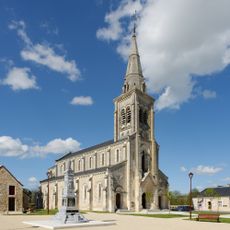
In 1895, demolition of the 12th-century church and reconstruction of Notre-Dame led to the discovery of about a hundred ancient blocks in the foundation trenches; 21 were identified as belonging to a monumental pillar. Father Camille de La Croix excavated further in February 1896. The pillar, probably erected in the early 3rd century, stood about nine meters high and was part of a sanctuary with a temple and altar.
The reliefs show Jupiter, Mars, Hercules and Perseus, but the blocks also carry a monumental dedication to Minerva, reconstructed from three of five probable fragments. That inscription seems to belong to a temple, not the pillar, so the site held several monuments. A Merovingian church later reused these stones in its foundations.
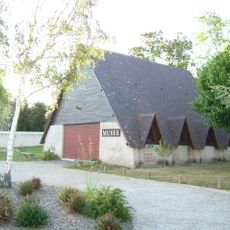
You can examine the reconstructed column segments and archaeological finds at the Minerva Museum, which is located near where the pieces were originally found. The museum setting makes it easy to see all the parts together and understand how they fit.
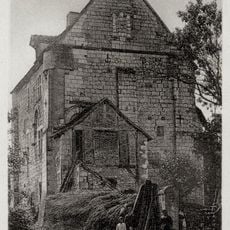
The blocks were stored under a simple lean-to from 1911 until the late 1960s, when a street project forced their relocation. Archaeologist Jean-Pierre Adam then studied the pillar fragments from 1970 to 1972, the same years the Minerva Museum was founded to house them.
The community of curious travelers
AroundUs brings together thousands of curated places, local tips, and hidden gems, enriched daily by 92,803 contributors worldwide.