Abbaye du Puits d'Orbe, Benedictine abbey ruins in Verdonnet, France
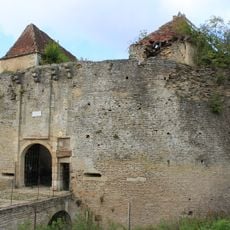
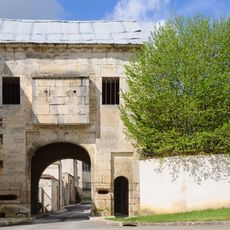
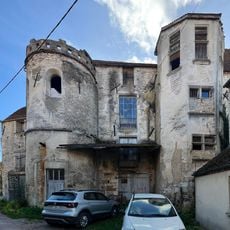
Abbaye du Puits d'Orbe is a ruined Benedictine nunnery on a hillside between Verdonnet and Asnières-en-Montagne. Its surviving enclosure walls, over 3 hectares and once 4 metres high, are built of thin grey and tan stones in rough courses, with larger squared blocks set into the upper face. Ivy and vines cling to the broken top edge, and slender trees grow against the wall.
The monastery was founded between 1112 and 1125 under the authority of Moutiers-Saint-Jean Abbey, giving it early structure and influence. The settlement of wealthy women from noble families sustained its prosperity for centuries until medieval warfare disrupted religious life there.
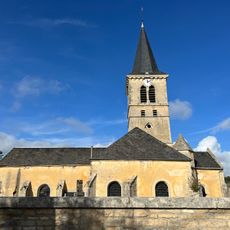
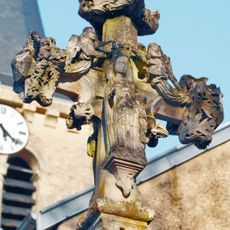
A 14th-century Madonna and Child statue, now housed in Saint-Barthélémy church in Verdonnet, comes from the former abbey and reflects the artistic traditions of this community. This statue was classified as a historical monument in 1964 and remains one of the few surviving artworks that connects visitors to the abbey's past.
Visiting requires careful planning because the archaeological site has limited facilities and sits between two separate municipalities. It helps to gather information beforehand about the best time to visit and easiest routes of access.
Rose Bourgeois de Crespy, a companion of abbess Angélique d'Estrées, organized debauchery among the nuns; after the community moved to Châtillon-sur-Seine in 1641 she stayed on at Puits d'Orbe with a few followers until royal authority had her transferred ten years later, and she died walled in at the new convent in 1657.
The community of curious travelers
AroundUs brings together thousands of curated places, local tips, and hidden gems, enriched daily by 92,859 contributors worldwide.