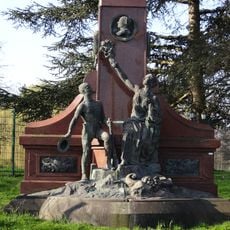
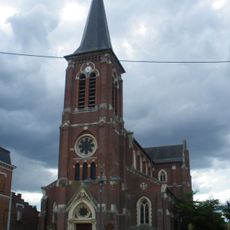
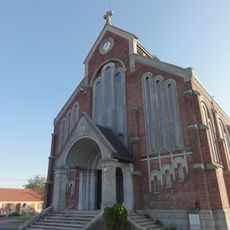
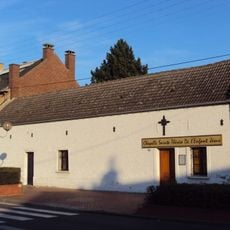
Northern Miners' Basin of Nord-Pas-de-Calais, Former coal mining structures in Nord-Pas-de-Calais, France
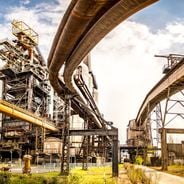
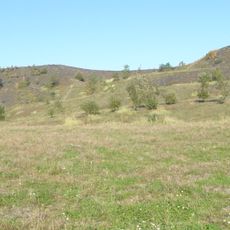
The Bassin Minier du Nord-Pas-de-Calais is a network of former coal mining structures spread across northern France. It includes over 800 old mine shafts, brick and metal industrial buildings, large waste piles called terrils, worker villages, and factory ruins that show the scale of coal extraction operations.
Coal extraction in the Nord-Pas-de-Calais basin is documented from the early 18th century, when concessions were granted around Anzin; the first shafts there date to 1734. Output expanded through the 19th century as companies sank hundreds of pits and built worker settlements beside them. After 1945 the mines were nationalised, and the last shaft, at Oignies, closed in 1990.
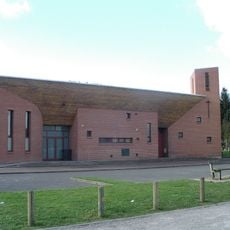
The mining basin carries names tied to coal extraction history, with towns like Liévin and Courrières marking the identity of mining communities. Worker housing built from red brick stands as a reminder of how daily life centered around the mines and the families who lived there.
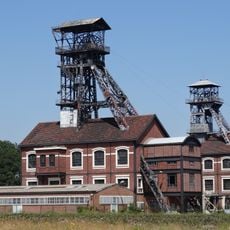
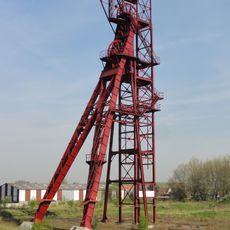
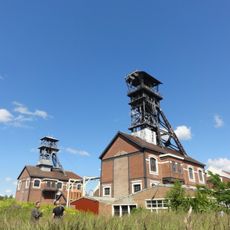
The basin covers about 1,200 square kilometres between Béthune and Valenciennes, so plan transport between sites rather than walking the whole area. The Ancienne Fosse n°2 at Libercourt, with its pithead frame and brick buildings, is a compact place to start. Many pitheads and terrils stand on open ground with no shade or facilities; paths can be muddy after rain.
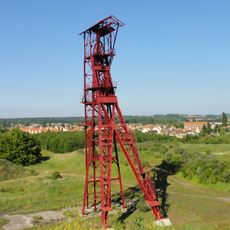
The Chevalement 1bis de Liévin is a headframe that was dismantled and rebuilt after the Liévin colliery closed, and it now stands at the Liévin mining museum rather than over its original shaft. Visitors often mistake it for an in-situ pit tower.
The community of curious travelers
AroundUs brings together thousands of curated places, local tips, and hidden gems, enriched daily by 93,057 contributors worldwide.