See the monuments around you in AROpen chests in the app
Around Us is built for your phone — point your camera at the streets and discover the monuments and places around you in augmented reality.Around Us is built for your phone — chests unlock when you walk, explore and capture nearby places.
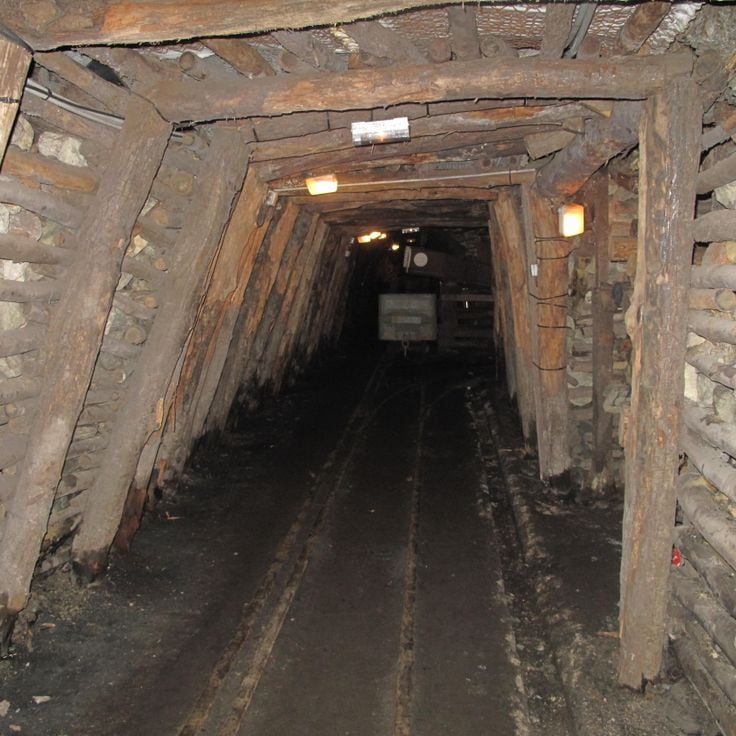
The mine galleries and restored factories help to understand how French workers used to live and work.
Here is an article about around thirty important industrial and mining sites in France. These places show the country’s past industry life: coal and ore mines, blast furnaces, forges, textile factories, dams, factories, and port facilities. Most are open to visitors and give a look into the country’s economic and technical history.
The mine galleries and restored factories help to understand how French workers used to live and work.
Here is an article about around thirty important industrial and mining sites in France. These places show the country’s past industry life: coal and ore mines, blast furnaces, forges, textile factories, dams, factories, and port facilities. Most are open to visitors and give a look into the country’s economic and technical history.
The Nord-Pas-de-Calais mining basin is a large historic mining area inscribed on the UNESCO World Heritage list. This site shows the coal mining activity that shaped the region for centuries. Visitors can see the characteristic mining heaps and understand how mining changed the lives and landscape of this French region.
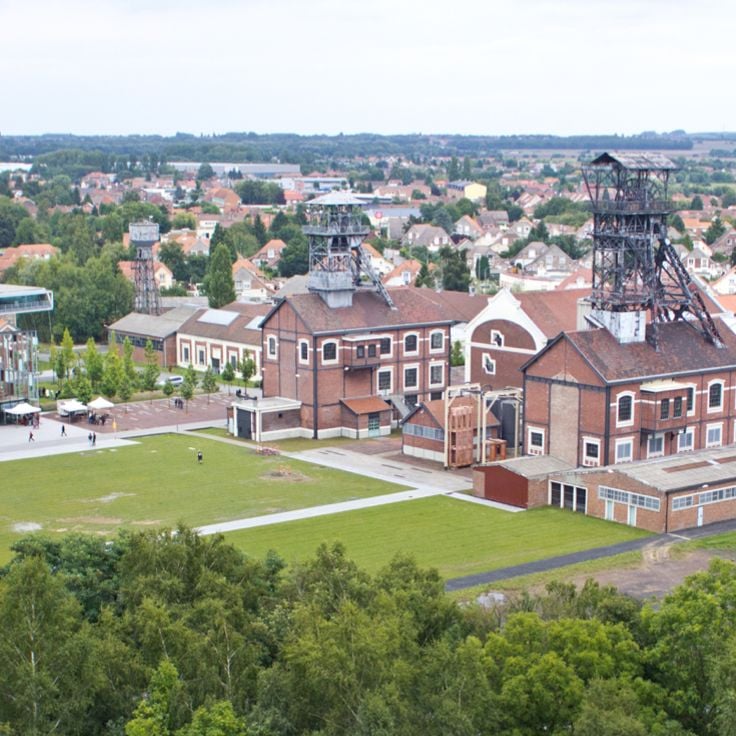
The Historic Mining Centre of Lewarde is a museum housed in a former coal pit that tells the story of miners who worked in northern France. It offers visitors a look at daily life underground and shows how important mining was to the region during the industrial era.
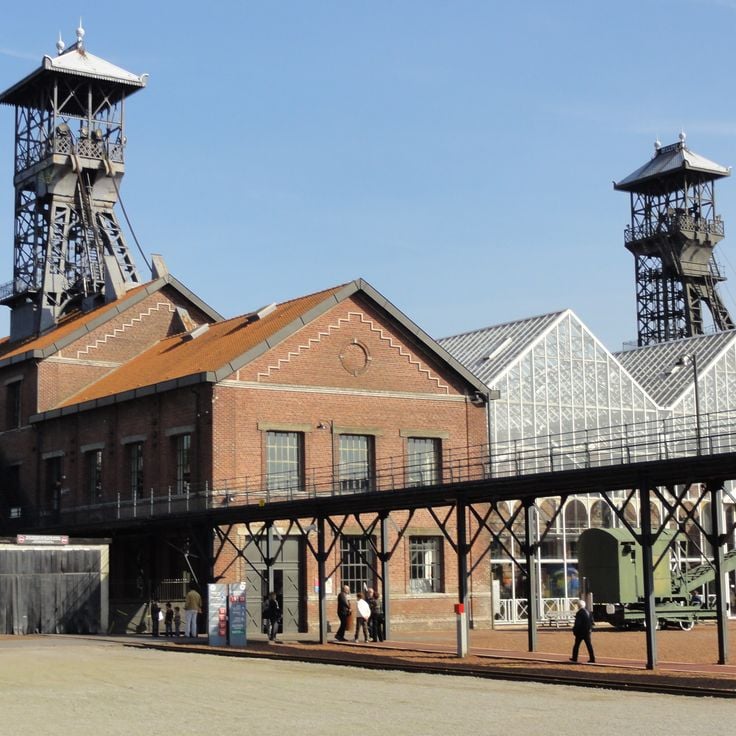
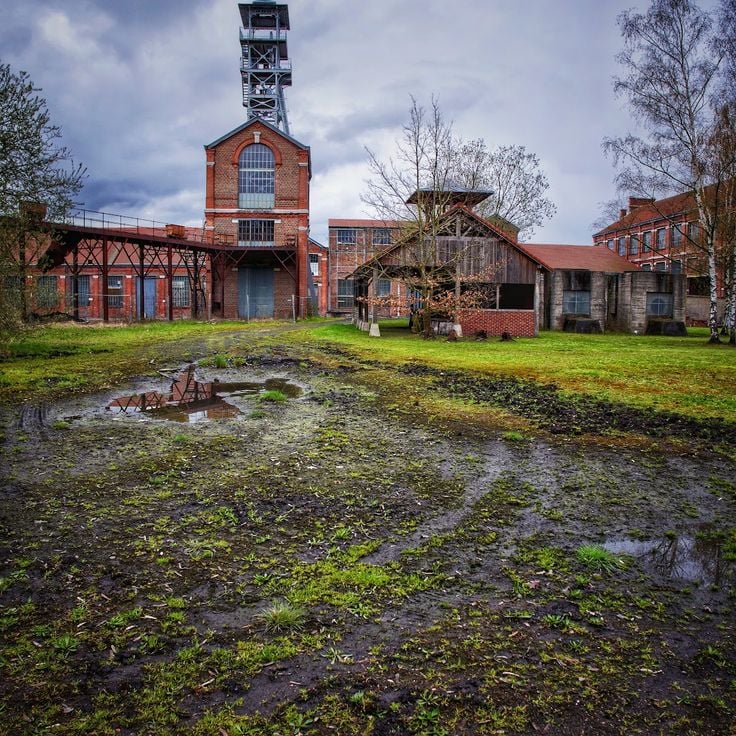
The 9-9bis Center in Oignies is a former mine site with old buildings that have been turned into an interpretive space. This place tells about the history of coal mining in northern France and shows how miners worked. Visitors can see the winding gears, machines, and factory buildings that were needed for mining. The center gives a look into an important part of French industrial history.
Arenberg La Porte du Hainaut is a former coal mine near Wallers where visitors can descend into underground tunnels and experience what mining work was like. The site includes a museum that explains the history of coal extraction in this region and its importance to the French economy.
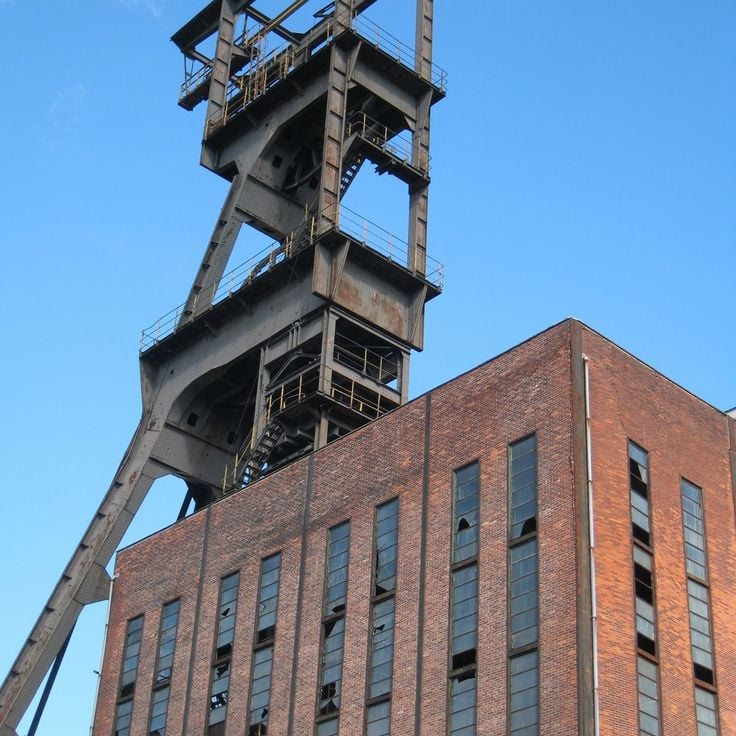
The Wendel Mine in Petite-Rosselle is a historic mining site in Moselle. This place shows the industrial design of the time when coal was extracted, with its characteristic buildings and spoil heaps that shape the land. visitors can explore the past of mining in this area and see how working in the mines affected everyday life.
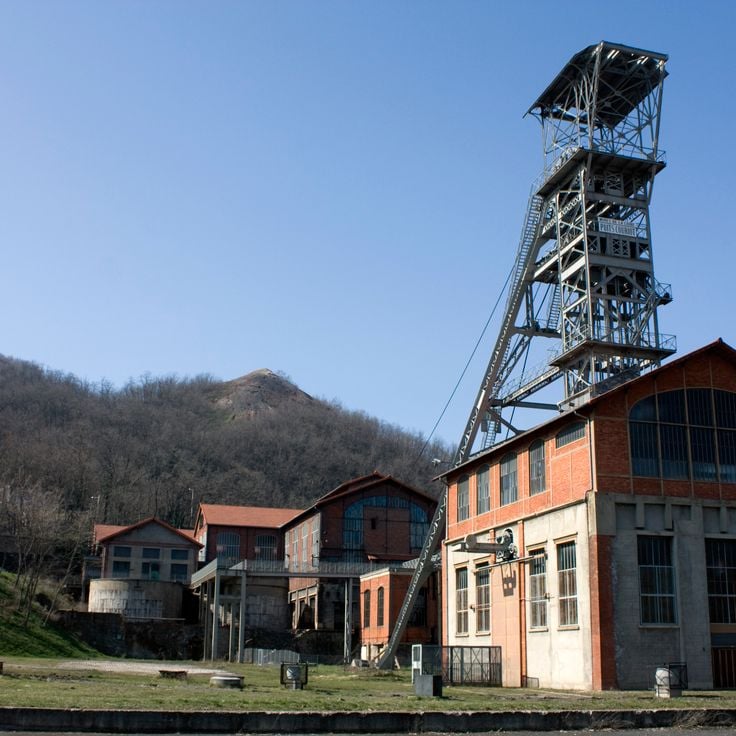
Puits Couriot is an old mine shaft in Saint-Étienne that has been turned into a museum. Visitors can explore a thousand years of mining history and discover how miners worked in this region. The museum displays the machines, tools, and daily life of workers underground. You can descend into the shafts and understand the harsh conditions under which minerals were extracted. This mine was a center of economic activity for Saint-Étienne for many centuries.
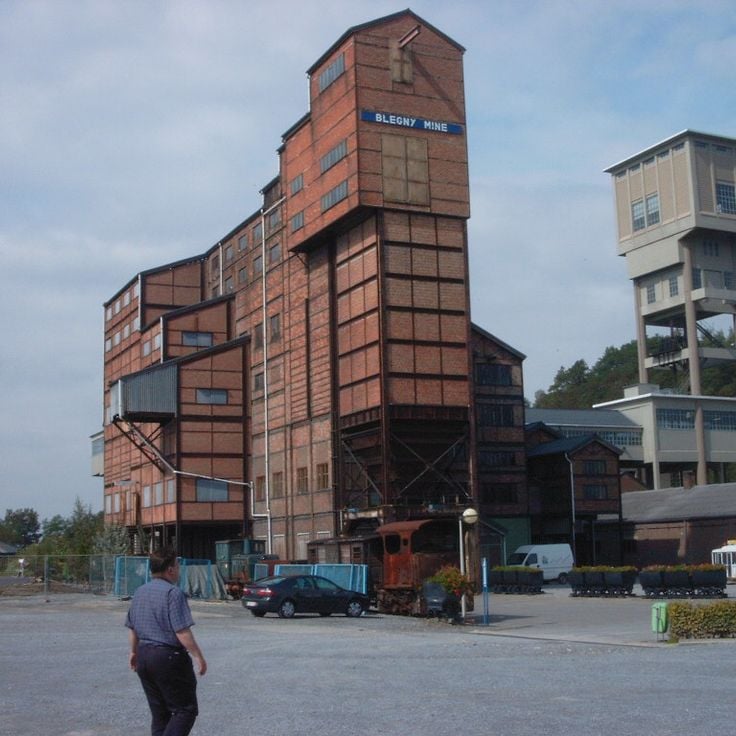
The Blegny mine is a coal mine located near the border of Lorraine, in an area that was once part of a major coal basin. Visitors can go down into the underground galleries and get a sense of what daily life was like for the miners who worked here. The site offers a direct look at how coal shaped the economy of this part of France.
The Mine Témoin d'Alès is a former coal mine in the Gard region that now operates as a museum. It shows how miners lived and worked underground. Visitors can descend into the shafts and experience the conditions that workers faced daily. The museum preserves memories of the industrial past of this French region.
The Sainte-Marie-aux-Mines Silver Mine is a historic mining site in Alsace that reflects centuries of silver extraction in the region. Visitors can explore the underground galleries and see mineral collections that tell the story of medieval and Renaissance mining operations. This mine offers a window into the economic importance of silver mining in early modern Europe and how miners worked deep below the surface.
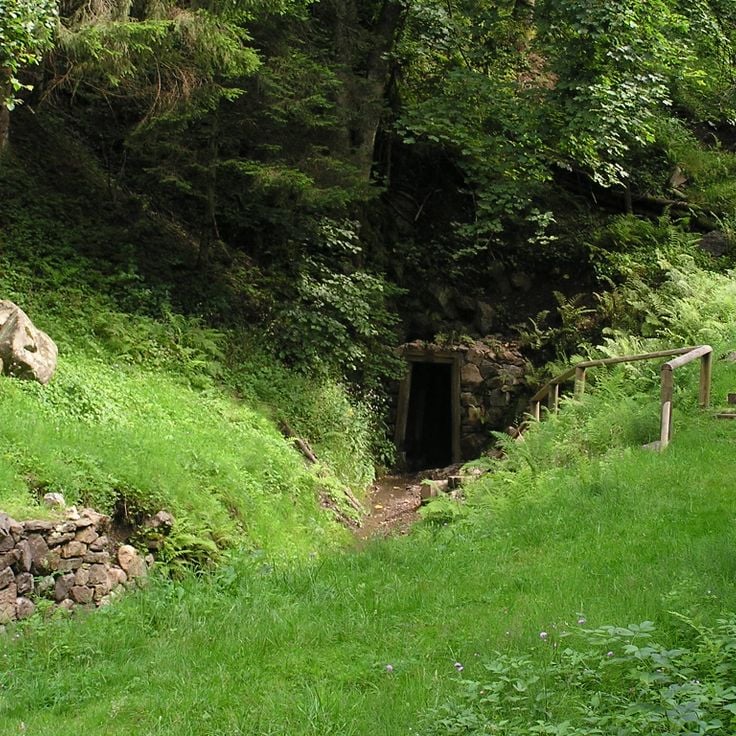
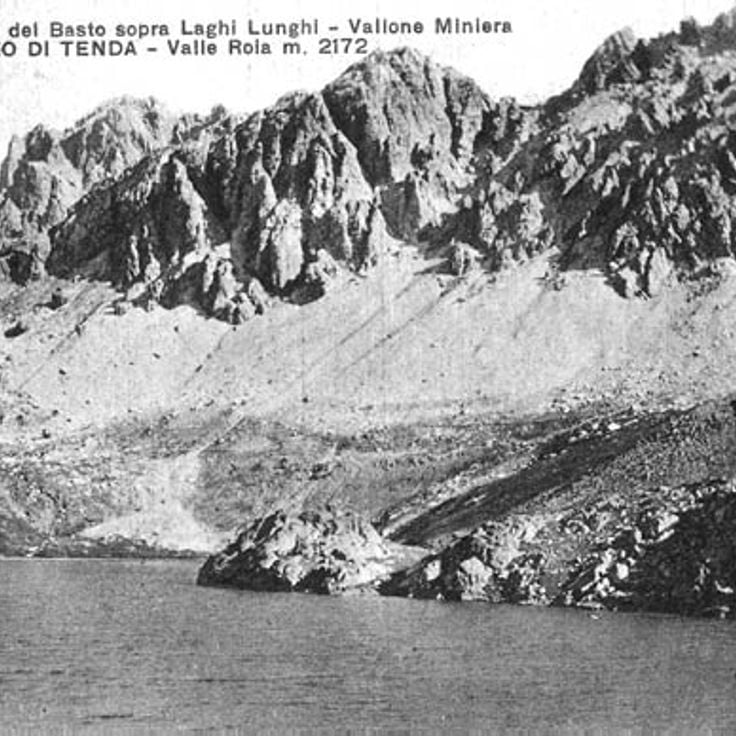
The Vallauria mine is an old copper and manganese mine in the Alpes-Maritimes. Its historic tunnels tell the story of mining in this mountain region. This site shows the history of industry in France and helps visitors understand how minerals were extracted in different times.
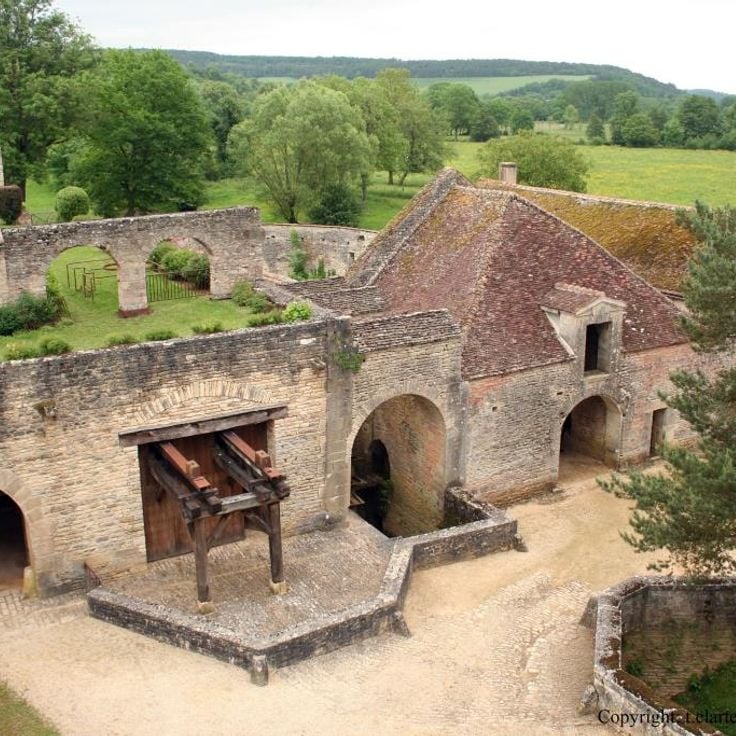
The Forges de Buffon in Montbard were a major center of royal metalworking in France. This historical site shows how iron and metal were produced on a large scale. Visitors can see the old workshops, furnaces, and machinery that demonstrate the technical advances of the 18th century. The location tells the story of French metal industry and its development.
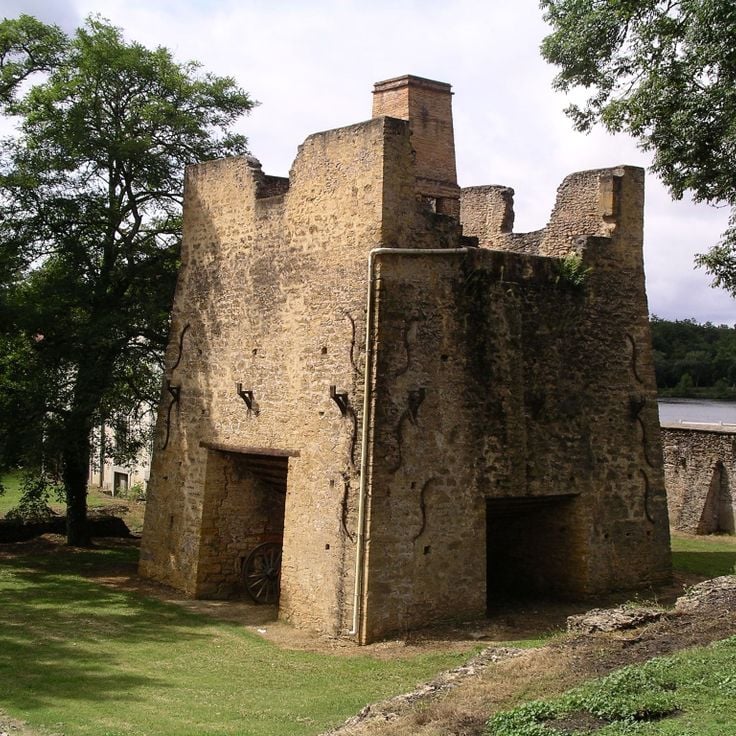
The Brocas Forges are old metalworking facilities in the Landes region that show how iron was once produced there. This site reveals the story of metal working in southwestern France and was an important industrial center for the area. Visitors can still see the structures where metal was worked and understand how production took place.
Le Creusot is a center of French heavy industry with factory facilities and a museum dedicated to the Schneider company. The site shows how steel production and machinery manufacturing shaped the region. Visitors can explore the old production facilities and learn about the workers and engineers who worked there.
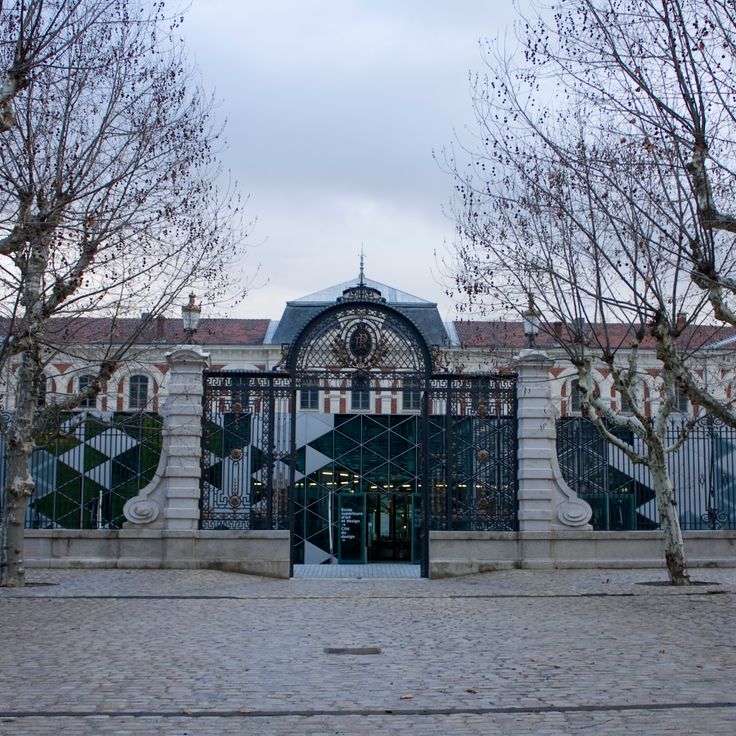
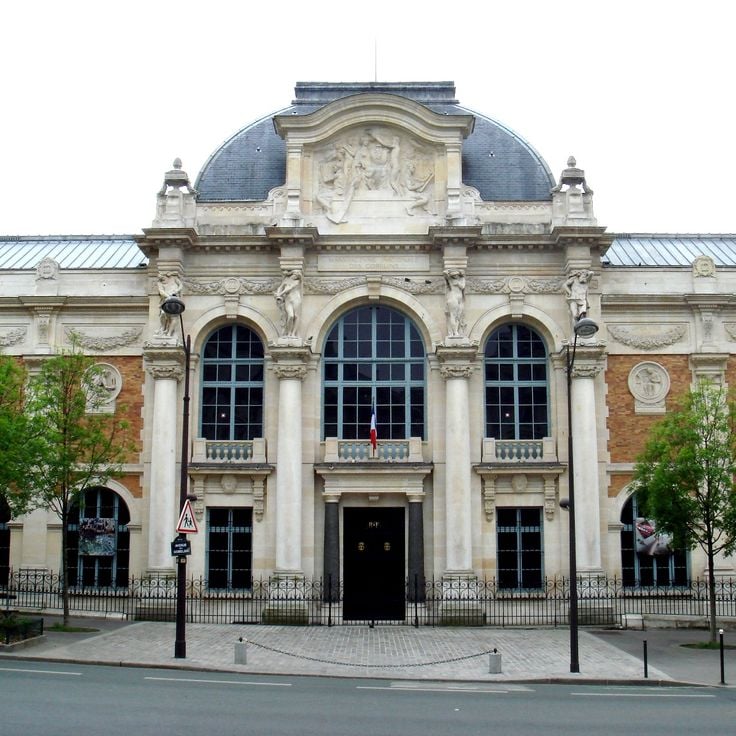
The Cité du Design is a former weapons factory in Saint-Étienne that now serves as a contemporary design center and museum. This building reflects the industrial history of the city and its transformation from a place of weapons production to a center of creative culture. Visitors can explore the factory's architecture and learn about France's industrial past.
The Manufacture of the Gobelins is a famous royal tapestry factory in Paris that has remained in continuous operation for centuries. It demonstrates French craftsmanship and industrial heritage through its workshops, where artisans still produce tapestries using traditional methods today. Visitors can see how this demanding work is done by hand and how the factory preserves and carries forward the legacy of French artistic skill.
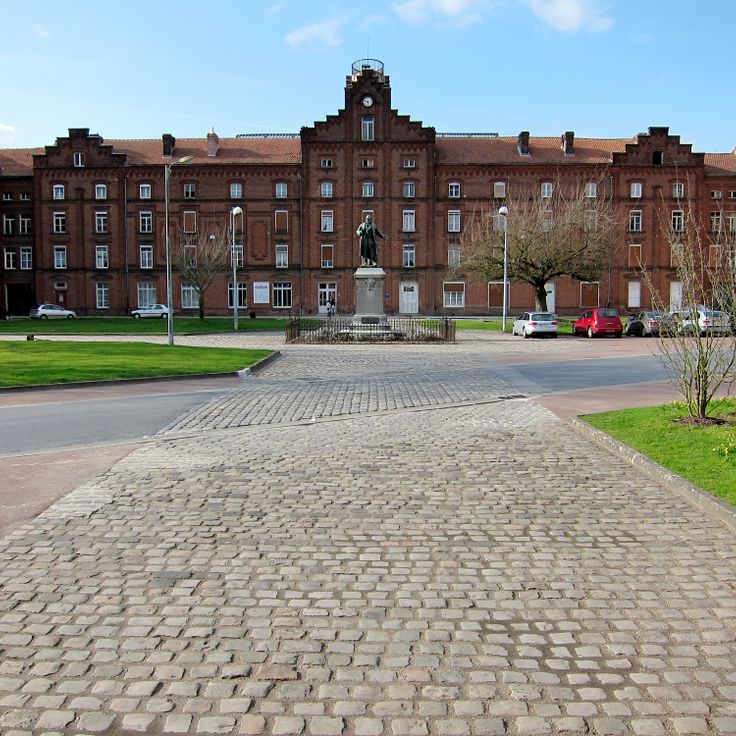
The Familistère de Guise is a workers' housing complex built in the 19th century in the Aisne region by industrialist Jean-Baptiste Godin. This settlement reflects Godin's vision for providing proper housing and care for his factory workers. The buildings are arranged around a central courtyard that served as the heart of community life. Hundreds of workers and their families made their homes here together. The complex reveals Godin's thinking about how to organize society and improve living conditions for working people.
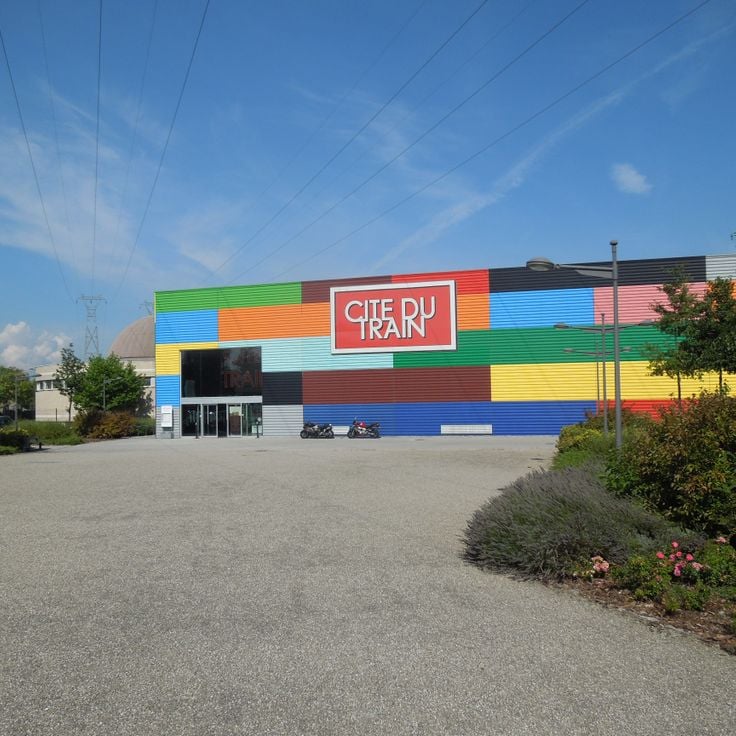
The Train City is a major railway museum in Mulhouse, a city with strong industrial roots. It tells the story of train travel in France and how it affected the country's economy. Visitors can look at trains and locomotives from different periods, each showing how railways shaped the country's growth and connected its regions.
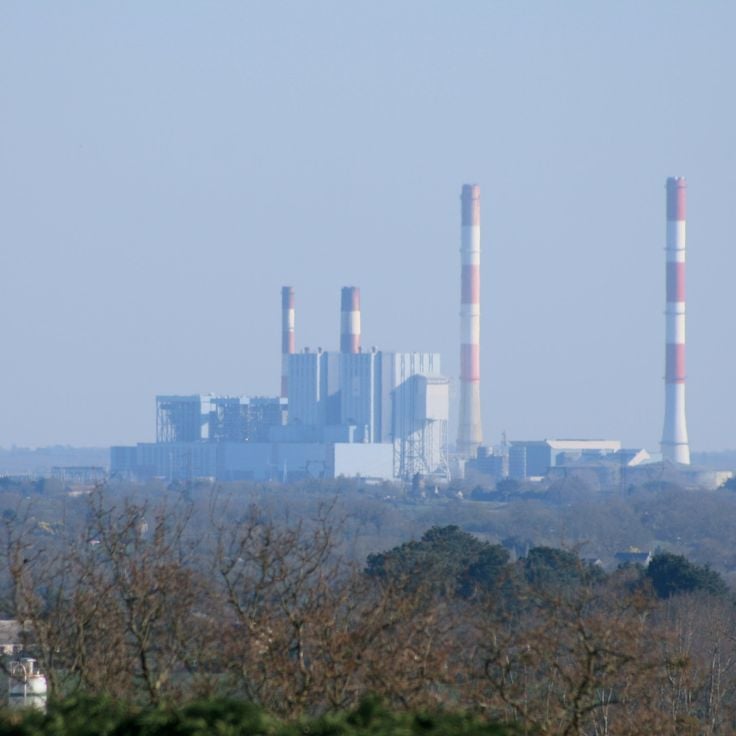
The EDF thermal power plant in Cordemais is a former electrical generation facility in Loire-Atlantique that reflects France's energy production during the 20th century. The site shows how France built its electrical supply system. The plant documents the technical developments and industrial methods that the country used during its growth period. Visitors can understand how such factories played an important role in the region's daily life.
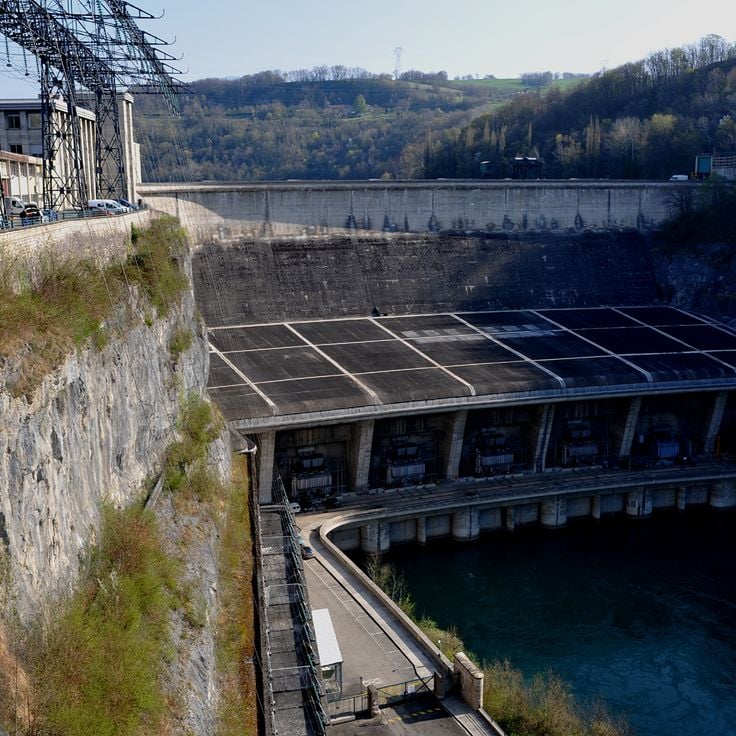
The Génissiat dam is a hydroelectric power plant built on the Rhône in the Ain department. This structure from the 20th century shows how engineers used rivers to produce energy. The dam shapes the landscape and tells the story of French industrial growth. Visitors can explore this technical achievement and see how water power changed the country's economy.
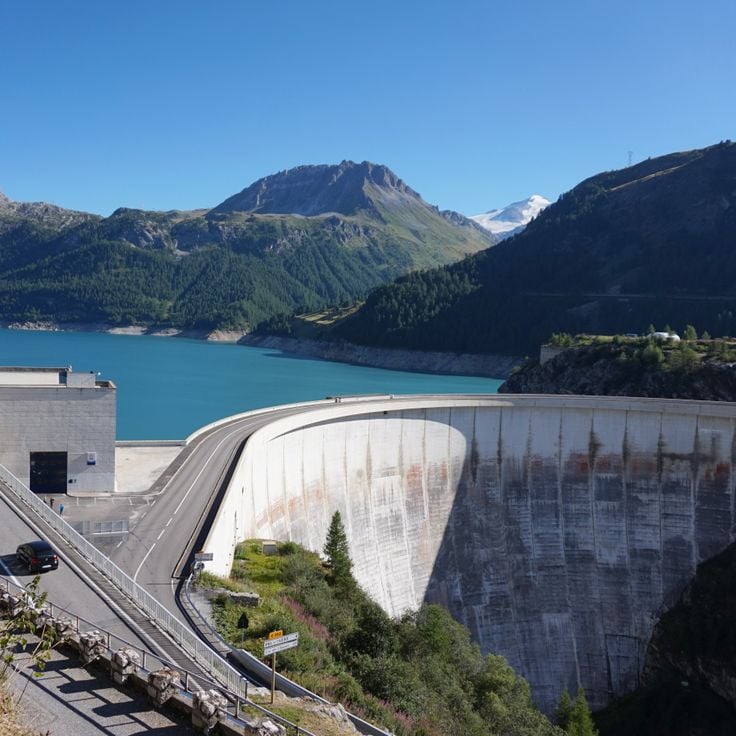
The Tignes Dam is a hydroelectric facility built in the Alps in the Savoie region. This dam was constructed to generate electricity and demonstrates France's industrial history of water power development. The dam shapes the landscape and is part of France's industrial heritage, offering visitors insight into the country's economic and technical development.
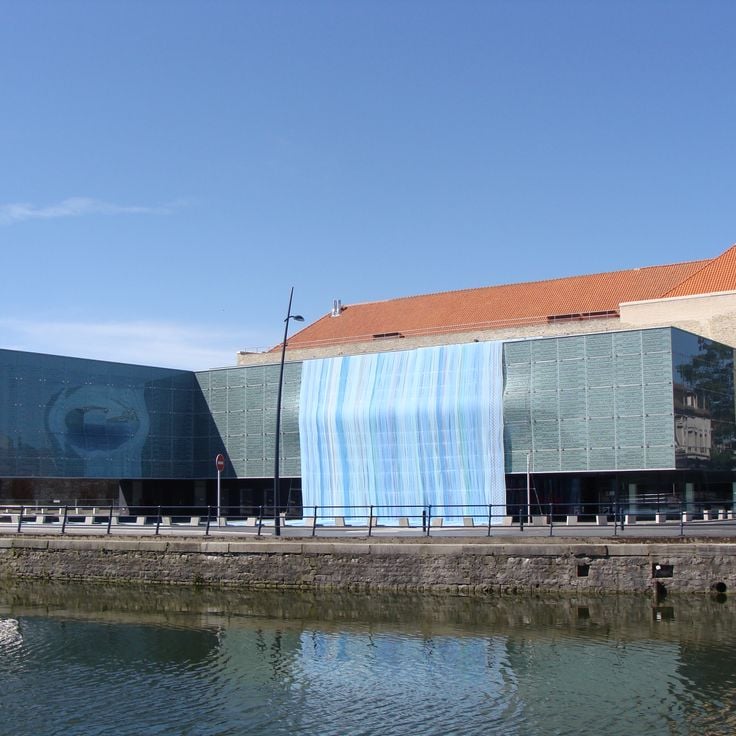
The Cité Internationale de la Dentelle in Calais tells the story of lace-making history and techniques. This museum reveals how the city became a world center for lace production. Visitors can learn about the craft methods that have been used in the region for generations.
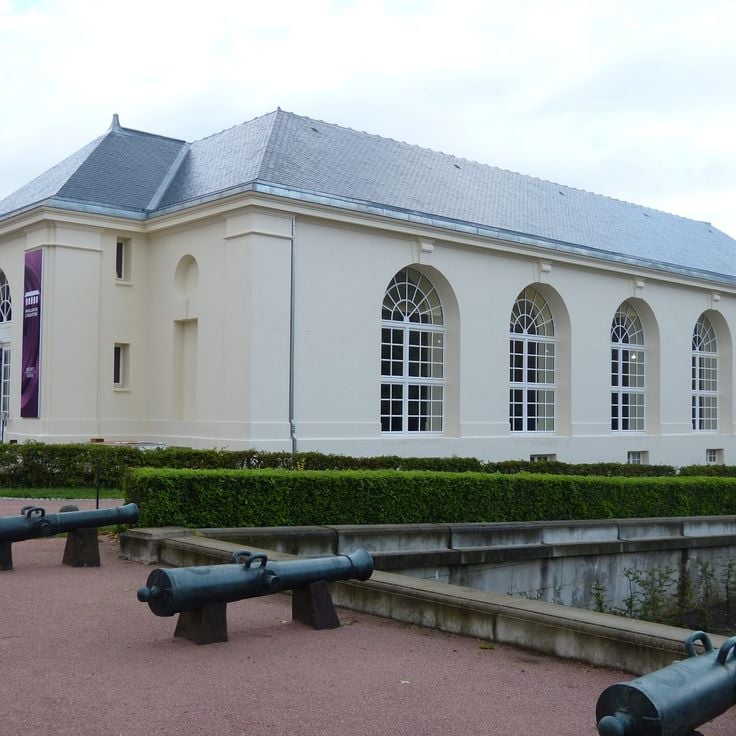
The Manufacture d'Armes de Châtellerault is a former arms factory in the Vienne region that now serves as a cultural site and industrial museum. This factory displays the history of French weapons manufacturing and industrial development. Visitors can see production facilities and techniques from different periods and understand how this operation shaped the economic development of the region.
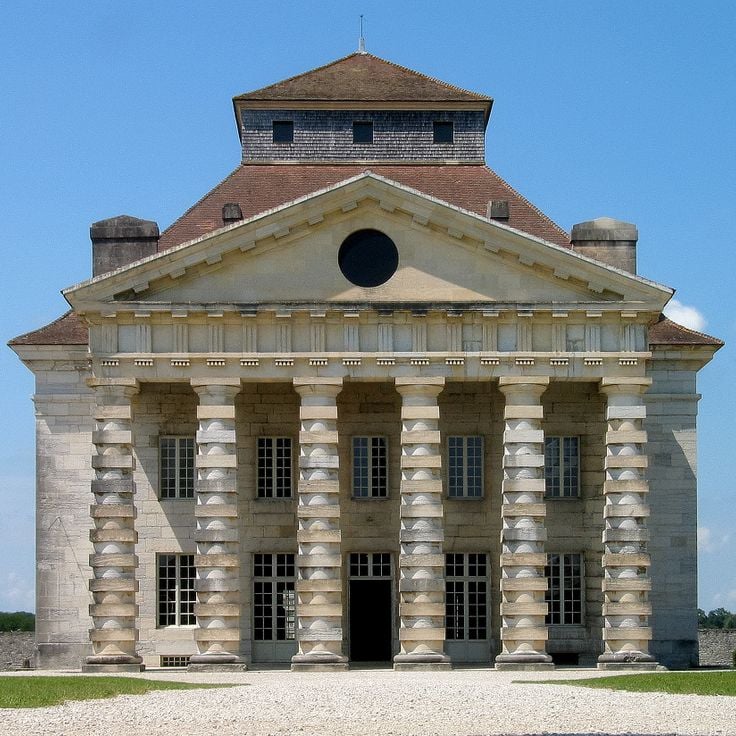
The Saline Royale d'Arc-et-Senans is a royal salt manufacturing facility from the 18th century located in the Doubs department. This site was recognized as a UNESCO World Heritage site and demonstrates how salt production operated during an important period of French industrial history. The buildings are arranged according to a specific geometric layout that reflects the organization of labor and production processes. Visitors can explore the structures and learn about the techniques used to extract and process salt.
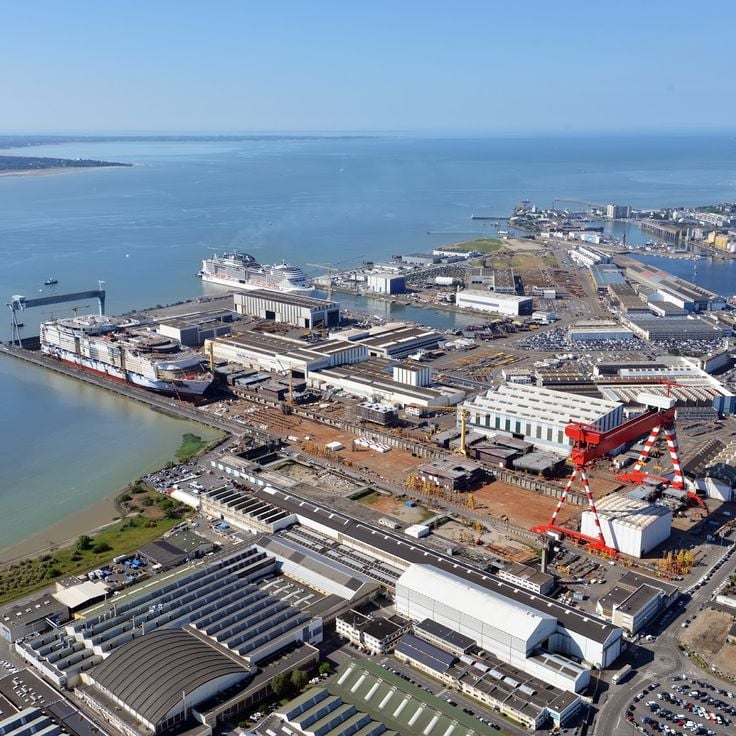
The Chantiers de l'Atlantique in Saint-Nazaire is a major shipyard that has built ships and ocean liners for many years. This facility represents an important part of French industrial history and demonstrates the country's role in shipbuilding. Visitors can see where large vessels were constructed and gain insight into the skilled work involved in creating these maritime giants.
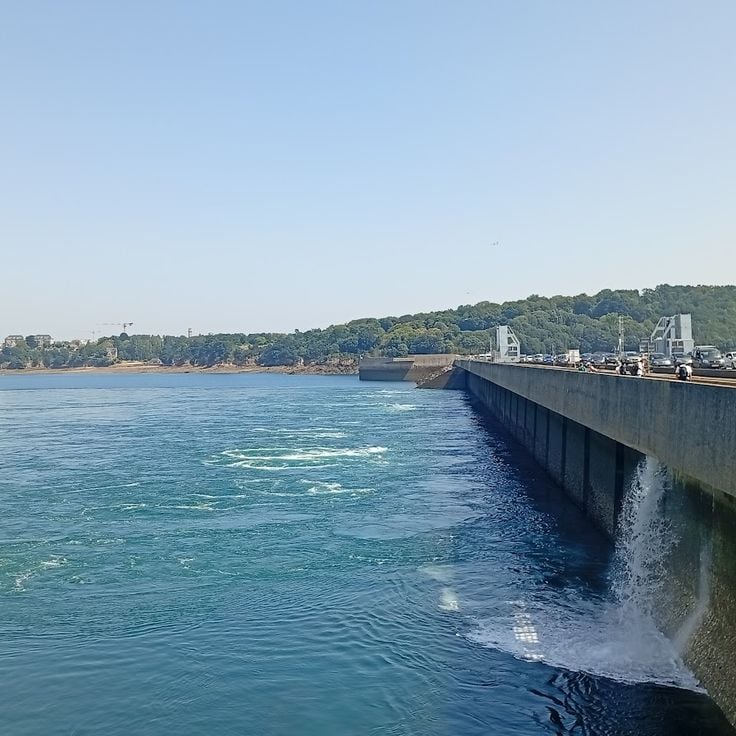
The Rance tidal power plant opened in 1966 as the first of its kind in the world. This factory generates electricity by harnessing the power of ocean tides. The structure stretches across the river like a dam and operates on a principle that uses rising and falling water levels. Visitors can see the machines and learn how water is converted into energy. The plant represents a solution from the past for power generation that is gaining relevance again today.
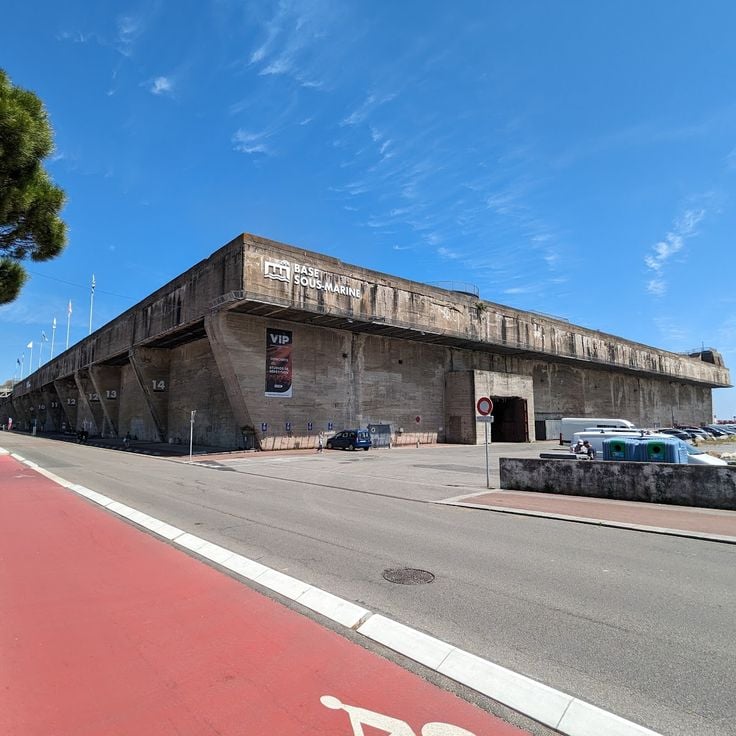
The submarine base of Saint-Nazaire is a historic military and industrial site in Loire-Atlantique. During the Second World War, this place served as a submarine base for the German navy. The large construction with its characteristic concrete bunkers shows the history of the city's industry and military past. Today, visitors can walk through the preserved structures and learn more about this period.
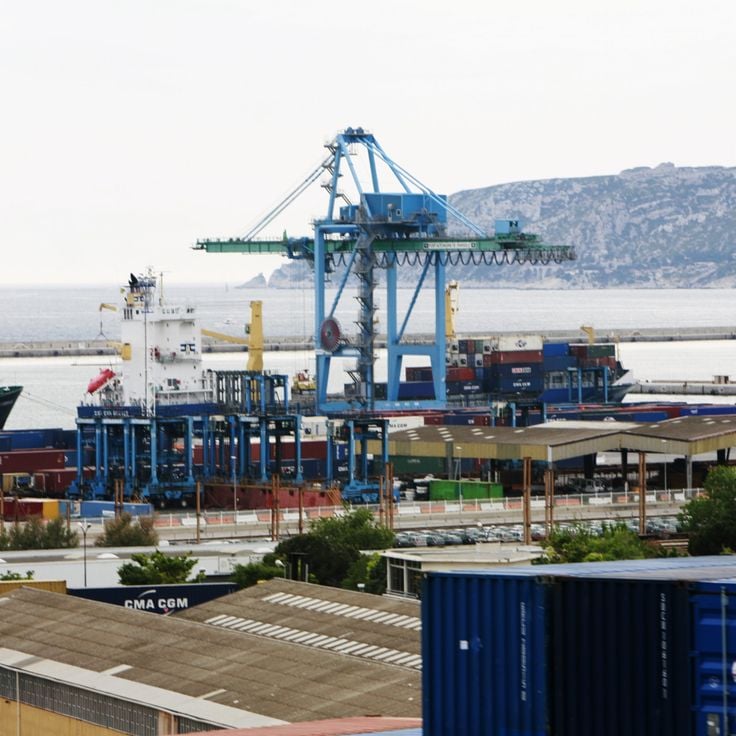
The Port of Marseille-Fos is one of the major harbors of the Mediterranean in the Provence-Alpes-Côte d'Azur region. This port reflects France's economic and technical history. The port facilities show how trade and industry have shaped this place over the centuries. Visitors can see the large docks, loading cranes, and warehouses that bear witness to the port's importance to the French economy. The port remains active today and offers insights into modern logistics and shipping operations.
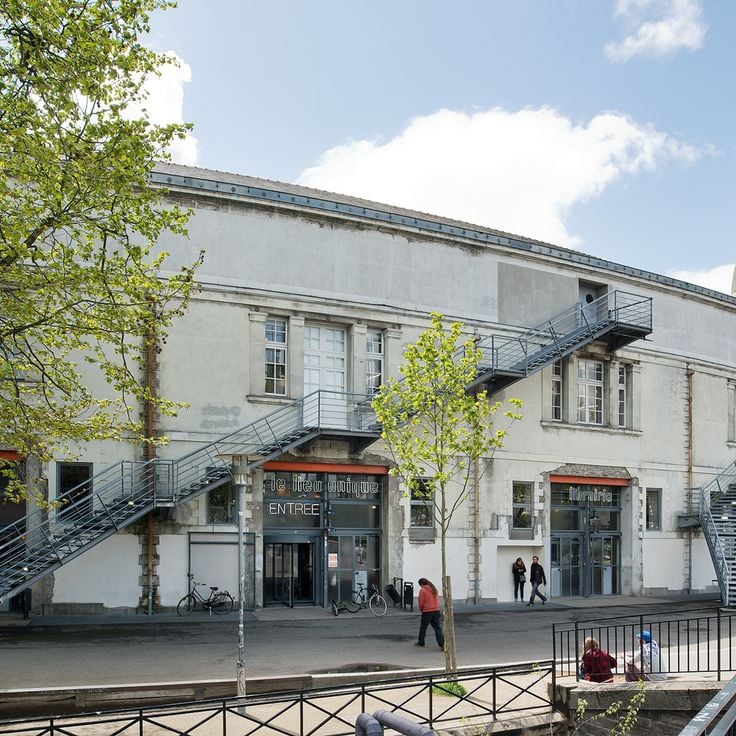
The former LU factories in Nantes represent an important part of French industrial history. This site was the home of biscuit production for many decades, creating products known across Europe. Today the site serves as a space for culture and leisure activities, where visitors can explore the factory's history and enjoy art exhibitions, concerts, and cultural events. The location shows how industrial spaces can be transformed into vibrant gathering places for the community.
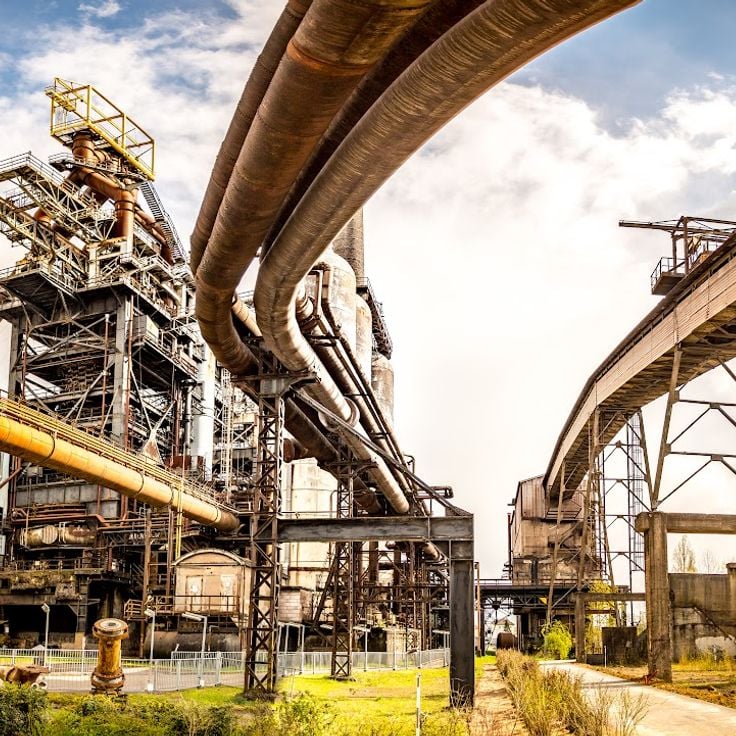
The U4 Parc du Haut-Fourneau in Uckange is a former blast furnace in the Moselle region. This site shows France's industrial past and the steel production that shaped this area. The old furnace has been converted into an industrial park and museum where visitors can explore the history of metal processing. This place helps people understand France's economic and technical development.
The Nord-Pas-de-Calais mining basin is a large historic mining area inscribed on the UNESCO World Heritage list. This site shows the coal mining activity that shaped the region for centuries. Visitors can see the characteristic mining heaps and understand how mining changed the lives and landscape of this French region.
The Historic Mining Centre of Lewarde is a museum housed in a former coal pit that tells the story of miners who worked in northern France. It offers visitors a look at daily life underground and shows how important mining was to the region during the industrial era.
The 9-9bis Center in Oignies is a former mine site with old buildings that have been turned into an interpretive space. This place tells about the history of coal mining in northern France and shows how miners worked. Visitors can see the winding gears, machines, and factory buildings that were needed for mining. The center gives a look into an important part of French industrial history.
Arenberg La Porte du Hainaut is a former coal mine near Wallers where visitors can descend into underground tunnels and experience what mining work was like. The site includes a museum that explains the history of coal extraction in this region and its importance to the French economy.
The Wendel Mine in Petite-Rosselle is a historic mining site in Moselle. This place shows the industrial design of the time when coal was extracted, with its characteristic buildings and spoil heaps that shape the land. visitors can explore the past of mining in this area and see how working in the mines affected everyday life.
Puits Couriot is an old mine shaft in Saint-Étienne that has been turned into a museum. Visitors can explore a thousand years of mining history and discover how miners worked in this region. The museum displays the machines, tools, and daily life of workers underground. You can descend into the shafts and understand the harsh conditions under which minerals were extracted. This mine was a center of economic activity for Saint-Étienne for many centuries.
The Blegny mine is a coal mine located near the border of Lorraine, in an area that was once part of a major coal basin. Visitors can go down into the underground galleries and get a sense of what daily life was like for the miners who worked here. The site offers a direct look at how coal shaped the economy of this part of France.
The Mine Témoin d'Alès is a former coal mine in the Gard region that now operates as a museum. It shows how miners lived and worked underground. Visitors can descend into the shafts and experience the conditions that workers faced daily. The museum preserves memories of the industrial past of this French region.
The Sainte-Marie-aux-Mines Silver Mine is a historic mining site in Alsace that reflects centuries of silver extraction in the region. Visitors can explore the underground galleries and see mineral collections that tell the story of medieval and Renaissance mining operations. This mine offers a window into the economic importance of silver mining in early modern Europe and how miners worked deep below the surface.
The Vallauria mine is an old copper and manganese mine in the Alpes-Maritimes. Its historic tunnels tell the story of mining in this mountain region. This site shows the history of industry in France and helps visitors understand how minerals were extracted in different times.
The Forges de Buffon in Montbard were a major center of royal metalworking in France. This historical site shows how iron and metal were produced on a large scale. Visitors can see the old workshops, furnaces, and machinery that demonstrate the technical advances of the 18th century. The location tells the story of French metal industry and its development.
The Brocas Forges are old metalworking facilities in the Landes region that show how iron was once produced there. This site reveals the story of metal working in southwestern France and was an important industrial center for the area. Visitors can still see the structures where metal was worked and understand how production took place.
Le Creusot is a center of French heavy industry with factory facilities and a museum dedicated to the Schneider company. The site shows how steel production and machinery manufacturing shaped the region. Visitors can explore the old production facilities and learn about the workers and engineers who worked there.
The Cité du Design is a former weapons factory in Saint-Étienne that now serves as a contemporary design center and museum. This building reflects the industrial history of the city and its transformation from a place of weapons production to a center of creative culture. Visitors can explore the factory's architecture and learn about France's industrial past.
The Manufacture of the Gobelins is a famous royal tapestry factory in Paris that has remained in continuous operation for centuries. It demonstrates French craftsmanship and industrial heritage through its workshops, where artisans still produce tapestries using traditional methods today. Visitors can see how this demanding work is done by hand and how the factory preserves and carries forward the legacy of French artistic skill.
The Familistère de Guise is a workers' housing complex built in the 19th century in the Aisne region by industrialist Jean-Baptiste Godin. This settlement reflects Godin's vision for providing proper housing and care for his factory workers. The buildings are arranged around a central courtyard that served as the heart of community life. Hundreds of workers and their families made their homes here together. The complex reveals Godin's thinking about how to organize society and improve living conditions for working people.
The Train City is a major railway museum in Mulhouse, a city with strong industrial roots. It tells the story of train travel in France and how it affected the country's economy. Visitors can look at trains and locomotives from different periods, each showing how railways shaped the country's growth and connected its regions.
The EDF thermal power plant in Cordemais is a former electrical generation facility in Loire-Atlantique that reflects France's energy production during the 20th century. The site shows how France built its electrical supply system. The plant documents the technical developments and industrial methods that the country used during its growth period. Visitors can understand how such factories played an important role in the region's daily life.
The Génissiat dam is a hydroelectric power plant built on the Rhône in the Ain department. This structure from the 20th century shows how engineers used rivers to produce energy. The dam shapes the landscape and tells the story of French industrial growth. Visitors can explore this technical achievement and see how water power changed the country's economy.
The Tignes Dam is a hydroelectric facility built in the Alps in the Savoie region. This dam was constructed to generate electricity and demonstrates France's industrial history of water power development. The dam shapes the landscape and is part of France's industrial heritage, offering visitors insight into the country's economic and technical development.
The Cité Internationale de la Dentelle in Calais tells the story of lace-making history and techniques. This museum reveals how the city became a world center for lace production. Visitors can learn about the craft methods that have been used in the region for generations.
The Manufacture d'Armes de Châtellerault is a former arms factory in the Vienne region that now serves as a cultural site and industrial museum. This factory displays the history of French weapons manufacturing and industrial development. Visitors can see production facilities and techniques from different periods and understand how this operation shaped the economic development of the region.
The Saline Royale d'Arc-et-Senans is a royal salt manufacturing facility from the 18th century located in the Doubs department. This site was recognized as a UNESCO World Heritage site and demonstrates how salt production operated during an important period of French industrial history. The buildings are arranged according to a specific geometric layout that reflects the organization of labor and production processes. Visitors can explore the structures and learn about the techniques used to extract and process salt.
The Chantiers de l'Atlantique in Saint-Nazaire is a major shipyard that has built ships and ocean liners for many years. This facility represents an important part of French industrial history and demonstrates the country's role in shipbuilding. Visitors can see where large vessels were constructed and gain insight into the skilled work involved in creating these maritime giants.
The Rance tidal power plant opened in 1966 as the first of its kind in the world. This factory generates electricity by harnessing the power of ocean tides. The structure stretches across the river like a dam and operates on a principle that uses rising and falling water levels. Visitors can see the machines and learn how water is converted into energy. The plant represents a solution from the past for power generation that is gaining relevance again today.
The submarine base of Saint-Nazaire is a historic military and industrial site in Loire-Atlantique. During the Second World War, this place served as a submarine base for the German navy. The large construction with its characteristic concrete bunkers shows the history of the city's industry and military past. Today, visitors can walk through the preserved structures and learn more about this period.
The Port of Marseille-Fos is one of the major harbors of the Mediterranean in the Provence-Alpes-Côte d'Azur region. This port reflects France's economic and technical history. The port facilities show how trade and industry have shaped this place over the centuries. Visitors can see the large docks, loading cranes, and warehouses that bear witness to the port's importance to the French economy. The port remains active today and offers insights into modern logistics and shipping operations.
The former LU factories in Nantes represent an important part of French industrial history. This site was the home of biscuit production for many decades, creating products known across Europe. Today the site serves as a space for culture and leisure activities, where visitors can explore the factory's history and enjoy art exhibitions, concerts, and cultural events. The location shows how industrial spaces can be transformed into vibrant gathering places for the community.
The U4 Parc du Haut-Fourneau in Uckange is a former blast furnace in the Moselle region. This site shows France's industrial past and the steel production that shaped this area. The old furnace has been converted into an industrial park and museum where visitors can explore the history of metal processing. This place helps people understand France's economic and technical development.
The Nord-Pas-de-Calais mining basin is a large historic mining area inscribed on the UNESCO World Heritage list. This site shows the coal mining activity that shaped the region for centuries. Visitors can see the characteristic mining heaps and understand how mining changed the lives and landscape of this French region.
The Historic Mining Centre of Lewarde is a museum housed in a former coal pit that tells the story of miners who worked in northern France. It offers visitors a look at daily life underground and shows how important mining was to the region during the industrial era.
The 9-9bis Center in Oignies is a former mine site with old buildings that have been turned into an interpretive space. This place tells about the history of coal mining in northern France and shows how miners worked. Visitors can see the winding gears, machines, and factory buildings that were needed for mining. The center gives a look into an important part of French industrial history.
Arenberg La Porte du Hainaut is a former coal mine near Wallers where visitors can descend into underground tunnels and experience what mining work was like. The site includes a museum that explains the history of coal extraction in this region and its importance to the French economy.
The Wendel Mine in Petite-Rosselle is a historic mining site in Moselle. This place shows the industrial design of the time when coal was extracted, with its characteristic buildings and spoil heaps that shape the land. visitors can explore the past of mining in this area and see how working in the mines affected everyday life.
Puits Couriot is an old mine shaft in Saint-Étienne that has been turned into a museum. Visitors can explore a thousand years of mining history and discover how miners worked in this region. The museum displays the machines, tools, and daily life of workers underground. You can descend into the shafts and understand the harsh conditions under which minerals were extracted. This mine was a center of economic activity for Saint-Étienne for many centuries.
The Blegny mine is a coal mine located near the border of Lorraine, in an area that was once part of a major coal basin. Visitors can go down into the underground galleries and get a sense of what daily life was like for the miners who worked here. The site offers a direct look at how coal shaped the economy of this part of France.
The Mine Témoin d'Alès is a former coal mine in the Gard region that now operates as a museum. It shows how miners lived and worked underground. Visitors can descend into the shafts and experience the conditions that workers faced daily. The museum preserves memories of the industrial past of this French region.
The Sainte-Marie-aux-Mines Silver Mine is a historic mining site in Alsace that reflects centuries of silver extraction in the region. Visitors can explore the underground galleries and see mineral collections that tell the story of medieval and Renaissance mining operations. This mine offers a window into the economic importance of silver mining in early modern Europe and how miners worked deep below the surface.
The Vallauria mine is an old copper and manganese mine in the Alpes-Maritimes. Its historic tunnels tell the story of mining in this mountain region. This site shows the history of industry in France and helps visitors understand how minerals were extracted in different times.
The Forges de Buffon in Montbard were a major center of royal metalworking in France. This historical site shows how iron and metal were produced on a large scale. Visitors can see the old workshops, furnaces, and machinery that demonstrate the technical advances of the 18th century. The location tells the story of French metal industry and its development.
The Brocas Forges are old metalworking facilities in the Landes region that show how iron was once produced there. This site reveals the story of metal working in southwestern France and was an important industrial center for the area. Visitors can still see the structures where metal was worked and understand how production took place.
Le Creusot is a center of French heavy industry with factory facilities and a museum dedicated to the Schneider company. The site shows how steel production and machinery manufacturing shaped the region. Visitors can explore the old production facilities and learn about the workers and engineers who worked there.
The Cité du Design is a former weapons factory in Saint-Étienne that now serves as a contemporary design center and museum. This building reflects the industrial history of the city and its transformation from a place of weapons production to a center of creative culture. Visitors can explore the factory's architecture and learn about France's industrial past.
The Manufacture of the Gobelins is a famous royal tapestry factory in Paris that has remained in continuous operation for centuries. It demonstrates French craftsmanship and industrial heritage through its workshops, where artisans still produce tapestries using traditional methods today. Visitors can see how this demanding work is done by hand and how the factory preserves and carries forward the legacy of French artistic skill.
The Familistère de Guise is a workers' housing complex built in the 19th century in the Aisne region by industrialist Jean-Baptiste Godin. This settlement reflects Godin's vision for providing proper housing and care for his factory workers. The buildings are arranged around a central courtyard that served as the heart of community life. Hundreds of workers and their families made their homes here together. The complex reveals Godin's thinking about how to organize society and improve living conditions for working people.
The Train City is a major railway museum in Mulhouse, a city with strong industrial roots. It tells the story of train travel in France and how it affected the country's economy. Visitors can look at trains and locomotives from different periods, each showing how railways shaped the country's growth and connected its regions.
The EDF thermal power plant in Cordemais is a former electrical generation facility in Loire-Atlantique that reflects France's energy production during the 20th century. The site shows how France built its electrical supply system. The plant documents the technical developments and industrial methods that the country used during its growth period. Visitors can understand how such factories played an important role in the region's daily life.
The Génissiat dam is a hydroelectric power plant built on the Rhône in the Ain department. This structure from the 20th century shows how engineers used rivers to produce energy. The dam shapes the landscape and tells the story of French industrial growth. Visitors can explore this technical achievement and see how water power changed the country's economy.
The Tignes Dam is a hydroelectric facility built in the Alps in the Savoie region. This dam was constructed to generate electricity and demonstrates France's industrial history of water power development. The dam shapes the landscape and is part of France's industrial heritage, offering visitors insight into the country's economic and technical development.
The Cité Internationale de la Dentelle in Calais tells the story of lace-making history and techniques. This museum reveals how the city became a world center for lace production. Visitors can learn about the craft methods that have been used in the region for generations.
The Manufacture d'Armes de Châtellerault is a former arms factory in the Vienne region that now serves as a cultural site and industrial museum. This factory displays the history of French weapons manufacturing and industrial development. Visitors can see production facilities and techniques from different periods and understand how this operation shaped the economic development of the region.
The Saline Royale d'Arc-et-Senans is a royal salt manufacturing facility from the 18th century located in the Doubs department. This site was recognized as a UNESCO World Heritage site and demonstrates how salt production operated during an important period of French industrial history. The buildings are arranged according to a specific geometric layout that reflects the organization of labor and production processes. Visitors can explore the structures and learn about the techniques used to extract and process salt.
The Chantiers de l'Atlantique in Saint-Nazaire is a major shipyard that has built ships and ocean liners for many years. This facility represents an important part of French industrial history and demonstrates the country's role in shipbuilding. Visitors can see where large vessels were constructed and gain insight into the skilled work involved in creating these maritime giants.
The Rance tidal power plant opened in 1966 as the first of its kind in the world. This factory generates electricity by harnessing the power of ocean tides. The structure stretches across the river like a dam and operates on a principle that uses rising and falling water levels. Visitors can see the machines and learn how water is converted into energy. The plant represents a solution from the past for power generation that is gaining relevance again today.
The submarine base of Saint-Nazaire is a historic military and industrial site in Loire-Atlantique. During the Second World War, this place served as a submarine base for the German navy. The large construction with its characteristic concrete bunkers shows the history of the city's industry and military past. Today, visitors can walk through the preserved structures and learn more about this period.
The Port of Marseille-Fos is one of the major harbors of the Mediterranean in the Provence-Alpes-Côte d'Azur region. This port reflects France's economic and technical history. The port facilities show how trade and industry have shaped this place over the centuries. Visitors can see the large docks, loading cranes, and warehouses that bear witness to the port's importance to the French economy. The port remains active today and offers insights into modern logistics and shipping operations.
The former LU factories in Nantes represent an important part of French industrial history. This site was the home of biscuit production for many decades, creating products known across Europe. Today the site serves as a space for culture and leisure activities, where visitors can explore the factory's history and enjoy art exhibitions, concerts, and cultural events. The location shows how industrial spaces can be transformed into vibrant gathering places for the community.
The U4 Parc du Haut-Fourneau in Uckange is a former blast furnace in the Moselle region. This site shows France's industrial past and the steel production that shaped this area. The old furnace has been converted into an industrial park and museum where visitors can explore the history of metal processing. This place helps people understand France's economic and technical development.
These industrial and mining sites tell how France was built over the years with the work and skill of its workers. Before exploring these places, check the times for guided tours. They explain the old techniques and daily life in the mines much better. Remember to bring comfortable shoes and a sweater because the tunnels stay cold even in summer.