See the monuments around you in AROpen chests in the app
Around Us is built for your phone — point your camera at the streets and discover the monuments and places around you in augmented reality.Around Us is built for your phone — chests unlock when you walk, explore and capture nearby places.
Hidden locations and natural sites in Hauts-de-France
The Hauts-de-France region stretches from the English Channel coast to the World War I battlefields, containing medieval castles, nature reserves, and historic gardens. Château de Pierrefonds displays 19th-century French military architecture, while the 13th-century Château d'Olhain sits on artificial islands. Abbaye de Vaucelles preserves Cistercian architecture, and the Collégiale Saint-Pierre de Doullens demonstrates Gothic construction. The Familistère de Guise documents 19th-century industrial social architecture.
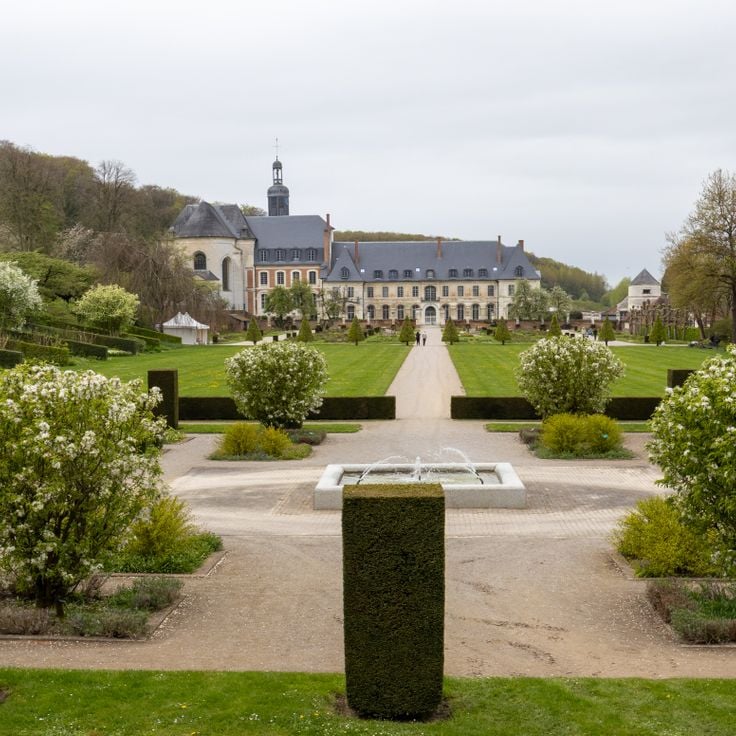
The natural landscape includes Parc du Marquenterre, a bird sanctuary on the Somme Bay, and Les Hortillonnages Amiénois, floating gardens near Amiens. Jardins de Valloires and Jardins de Sericourt showcase French garden design across different periods. Cap Blanc-Nez provides cliffs overlooking the English Channel. Military sites such as Blockhaus d'Éperlecques, Forteresse de Mimoyecques, and Batterie de Zuydcoote recall World War II operations. The Nécropole Nationale de Notre-Dame de Lorette and Tour d'Ulster at Thiepval document World War I. Musée Matisse in Le Cateau-Cambrésis displays works by the artist in his birthplace.
Hidden locations and natural sites in Hauts-de-France
The Hauts-de-France region stretches from the English Channel coast to the World War I battlefields, containing medieval castles, nature reserves, and historic gardens. Château de Pierrefonds displays 19th-century French military architecture, while the 13th-century Château d'Olhain sits on artificial islands. Abbaye de Vaucelles preserves Cistercian architecture, and the Collégiale Saint-Pierre de Doullens demonstrates Gothic construction. The Familistère de Guise documents 19th-century industrial social architecture.
The natural landscape includes Parc du Marquenterre, a bird sanctuary on the Somme Bay, and Les Hortillonnages Amiénois, floating gardens near Amiens. Jardins de Valloires and Jardins de Sericourt showcase French garden design across different periods. Cap Blanc-Nez provides cliffs overlooking the English Channel. Military sites such as Blockhaus d'Éperlecques, Forteresse de Mimoyecques, and Batterie de Zuydcoote recall World War II operations. The Nécropole Nationale de Notre-Dame de Lorette and Tour d'Ulster at Thiepval document World War I. Musée Matisse in Le Cateau-Cambrésis displays works by the artist in his birthplace.
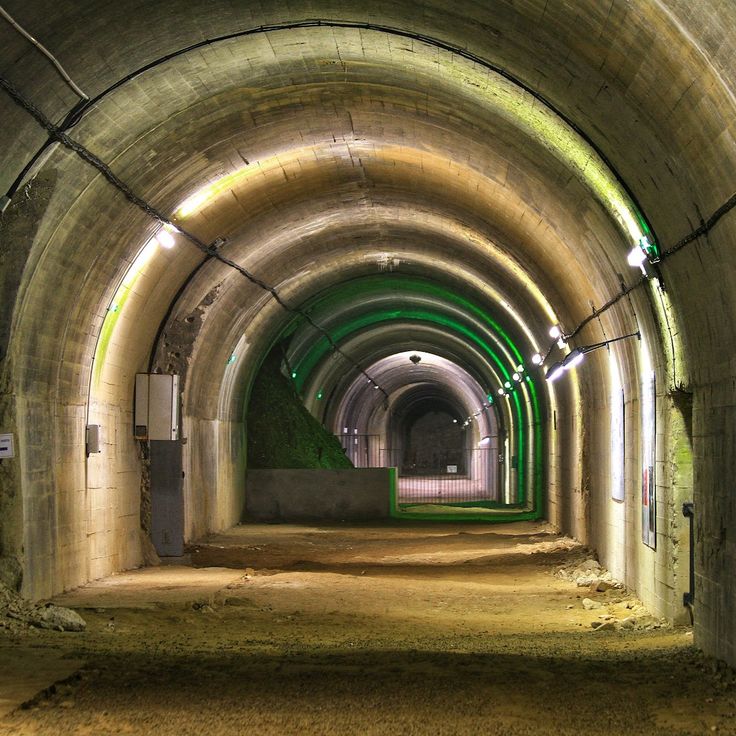
This underground complex in Landrethun-le-Nord was built during World War II to house V-3 supergun installations designed to strike London. The tunnel system extends through multiple levels and includes five main shafts carved into the limestone hillside. Following Allied bombing raids in 1944, Forteresse de Mimoyecques was never fully operational and now functions as a museum documenting the history of German retaliation weapons and the military engineering of the period.
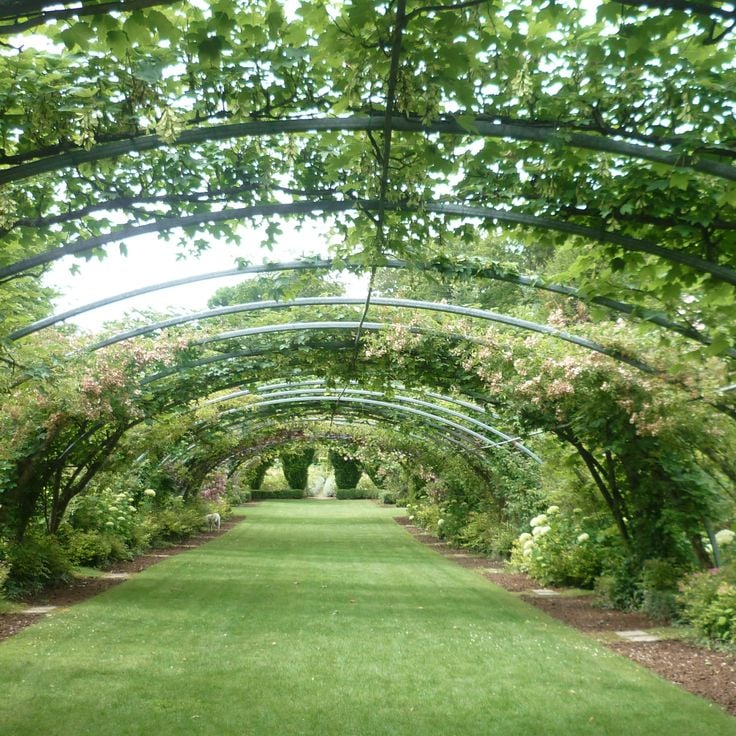
This garden complex displays various themed garden spaces with seasonal plantings across four hectares of land developed since 1985 on a historic property in the Hauts-de-France region. The Jardins de Sericourt combine formal French garden design with naturalistic plantings and serve as an example of private garden estates in northern France. Visitors can walk through multiple garden rooms that demonstrate different botanical and design approaches throughout the year.
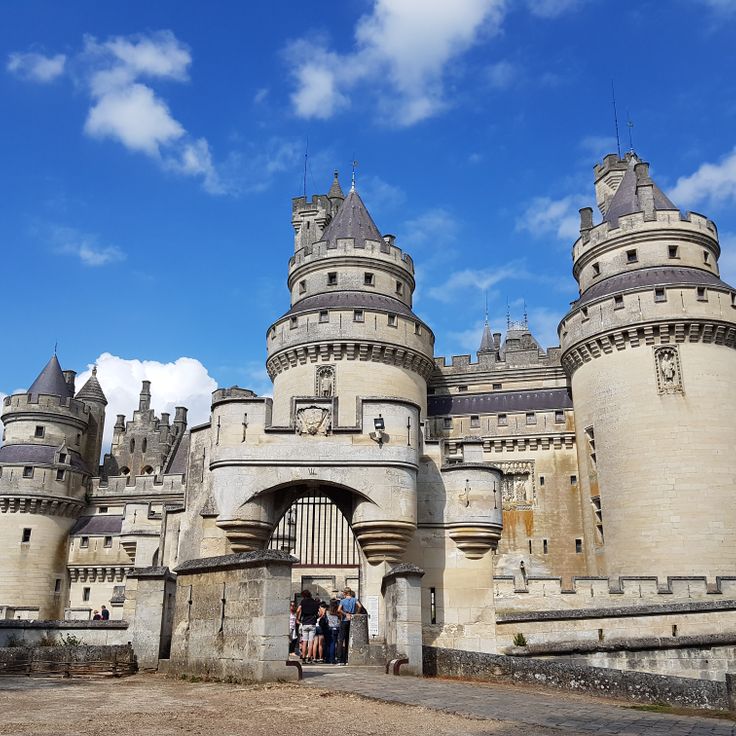
This medieval castle was rebuilt between 1857 and 1885 under the direction of architect Viollet-le-Duc and stands among the significant historic sites featured in the Hauts-de-France region. The massive fortress rises above the village of Pierrefonds and showcases the architect's interpretation of medieval military architecture, with eight round towers and a central courtyard. The original castle was constructed in the 12th century and served as a fortress for the Duke of Orléans in the 14th century. After its destruction in the 17th century, it remained a ruin until its restoration by Napoleon III.
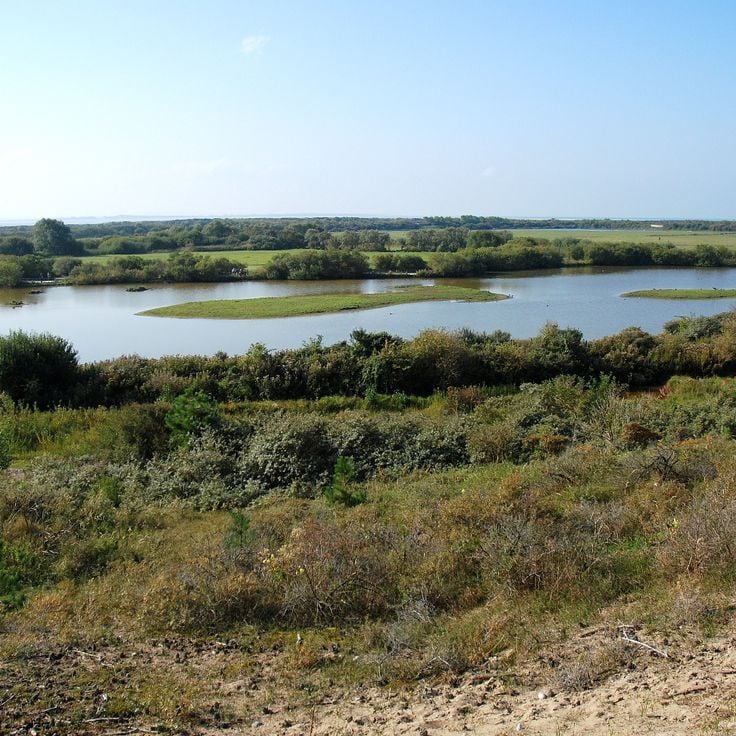
This nature reserve covers 200 hectares (490 acres) along the Picardy coast and serves as a stopover for migratory birds on the East Atlantic flyway, with observation posts and guided walks through the dune landscape providing insight into seasonal movements of waders, geese, and herons that make Parc du Marquenterre a significant ornithological site in the Hauts-de-France region.
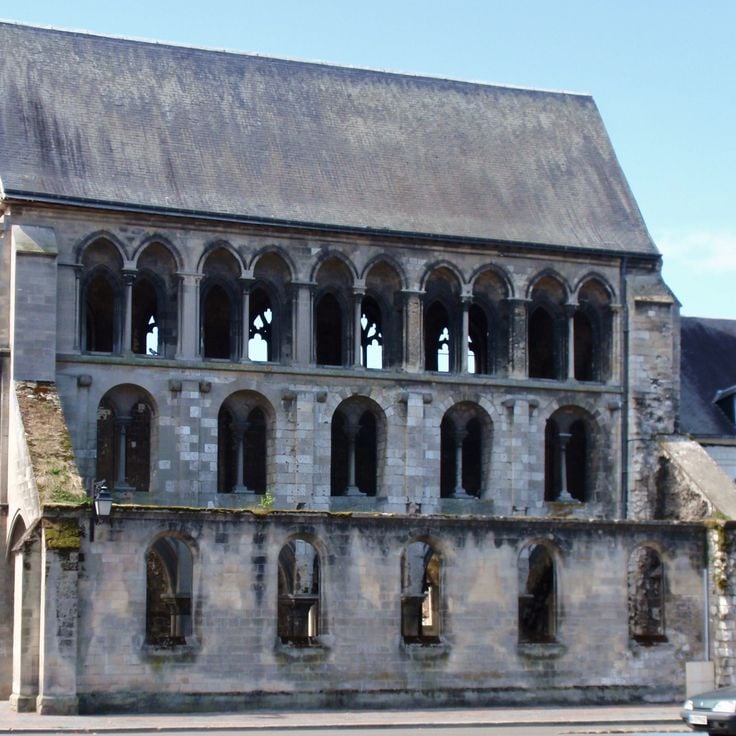
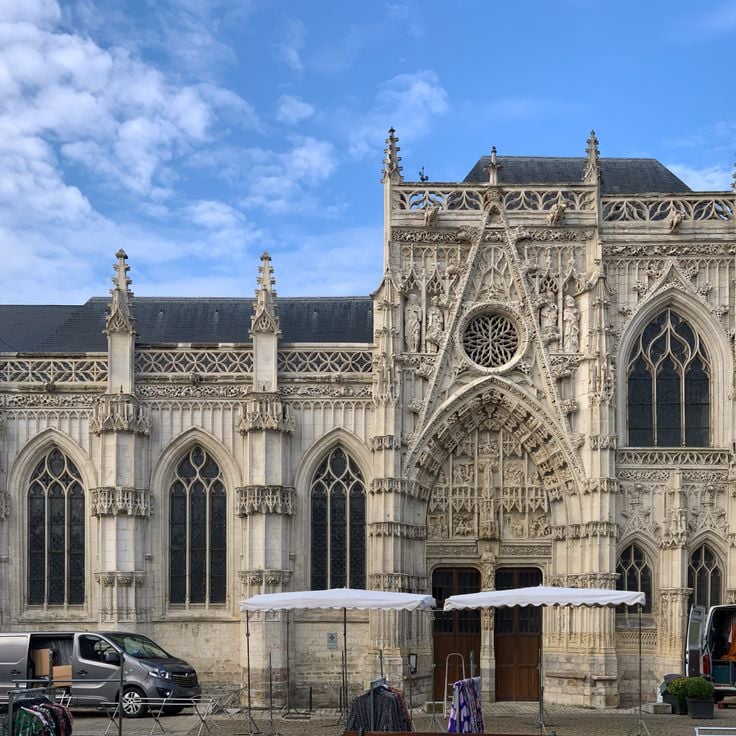
This collegiate church in Doullens was built during the 16th century and displays Gothic architectural styles with pointed arch windows, vaulted ceilings, and a detached bell tower. The structure is known for its exceptional acoustic properties, which enhance concerts and liturgical celebrations. The church represents one of the historic religious buildings in Hauts-de-France and documents Renaissance religious architecture in northern France.
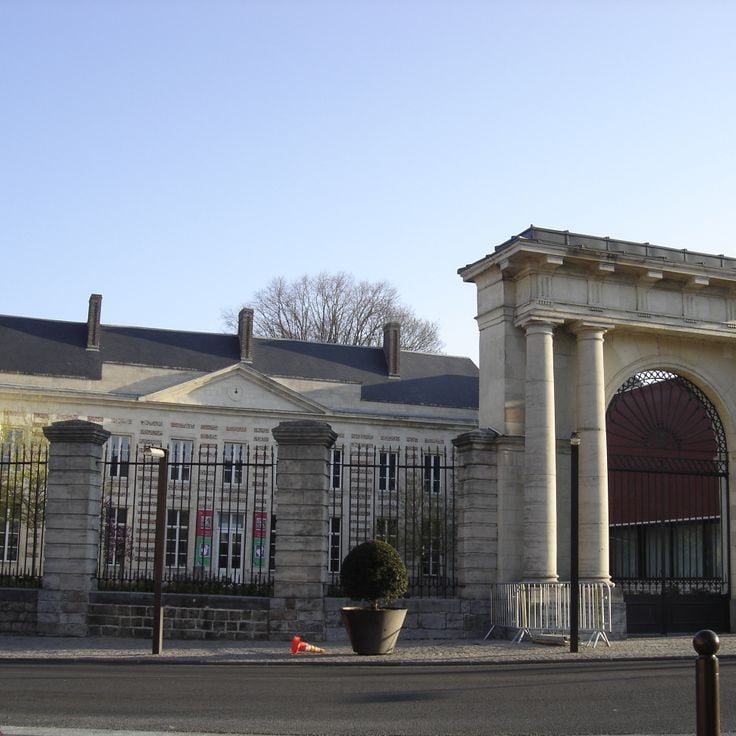
This museum presents a collection of 170 paintings, drawings, sculptures and personal items by Henri Matisse in his birth house. The Musée Matisse traces the artist's development from early experiments through his mature period to late gouache works. Exhibition rooms display different creative phases and illustrate Matisse's influence on twentieth-century modern art.
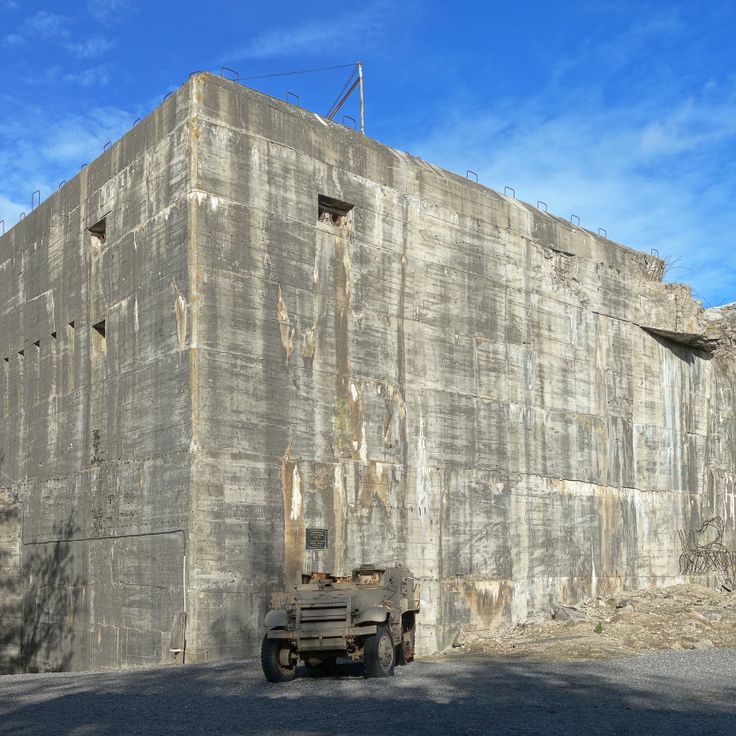
This concrete bunker from World War II was constructed by Nazi Germany as a launch facility for V2 rockets and now operates as a history museum. The massive structure near Éperlecques demonstrates the military engineering of the period and documents the development of rocket weapons and the forced labor used in its construction. The museum presents exhibitions on the occupation of northern France and the history of vengeance weapons, complementing the historic military sites of Hauts-de-France with an important testament to World War II.
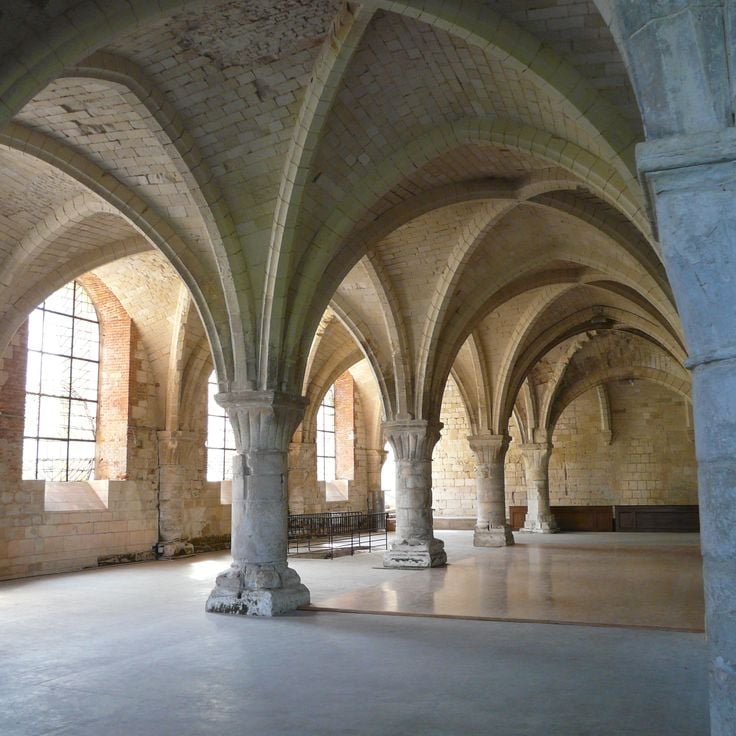
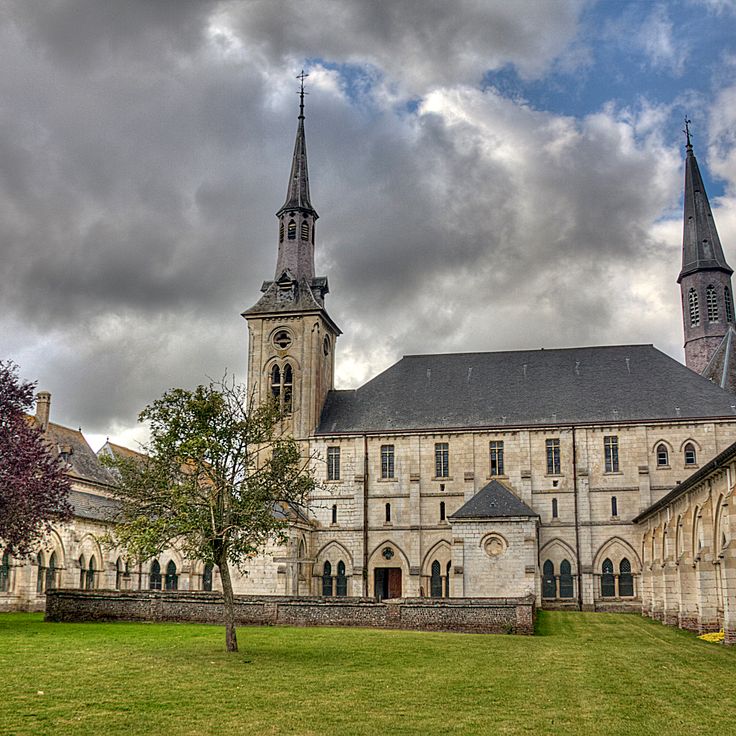
This Cistercian abbey was founded in the 12th century and displays Gothic architecture typical of the order. The monastery buildings and gardens are open to the public and regularly host flower exhibitions that combine the historic outdoor spaces with contemporary horticultural displays.
This 19th-century residential complex was built by industrialist Jean-Baptiste André Godin for workers at his cast iron factory and included communal facilities such as a theater, school and washhouse. The Familistère de Guise was based on social reform ideals and provided residents with access to education, healthcare and cultural activities. The complex consists of several multi-story buildings with interior courtyards and illustrates early concepts of social housing.
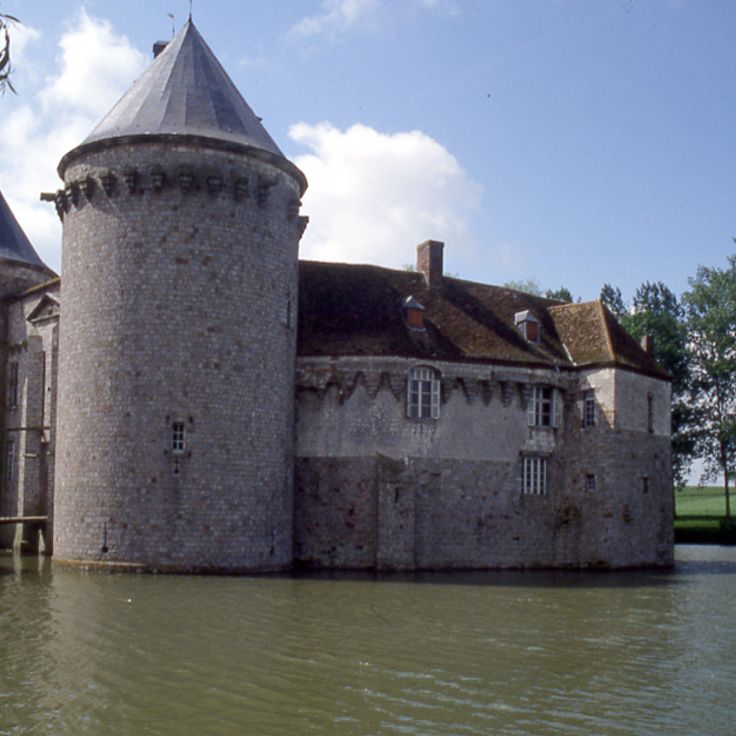
This 15th century medieval castle represents one of the region's fortified structures featured in the collection of castles and historic sites across Hauts-de-France. The Château d'Olhain includes a moat and four round corner towers in the Pas-de-Calais department. The fortress demonstrates regional defensive architecture from the late Gothic period and complements other historic locations such as Pierrefonds within this northern French region.
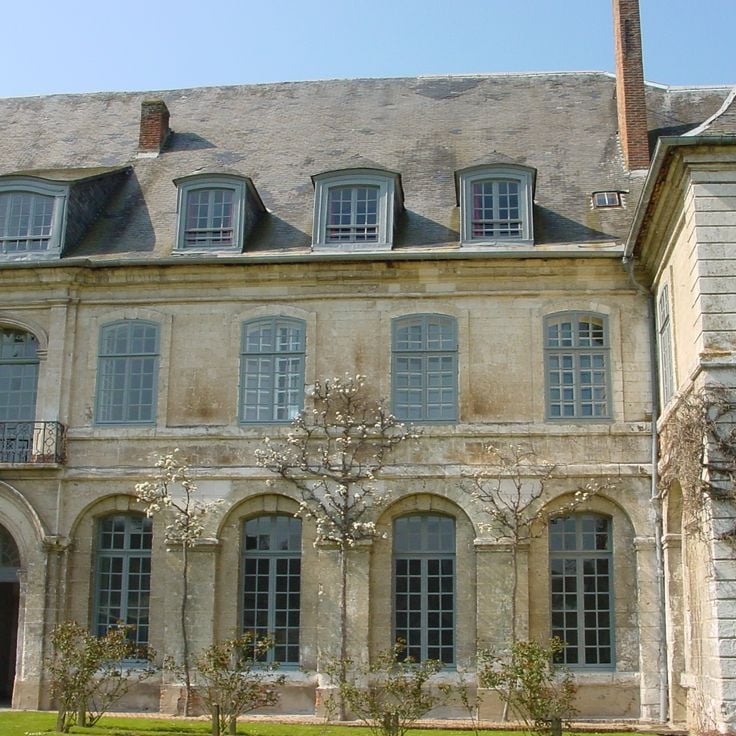
This 18th-century Cistercian abbey in Argoules features historic monastery buildings and an 8-hectare (20-acre) garden containing rare plant species. The site represents one of the significant religious structures in the region and complements the collection of medieval abbeys and castles found throughout Hauts-de-France.
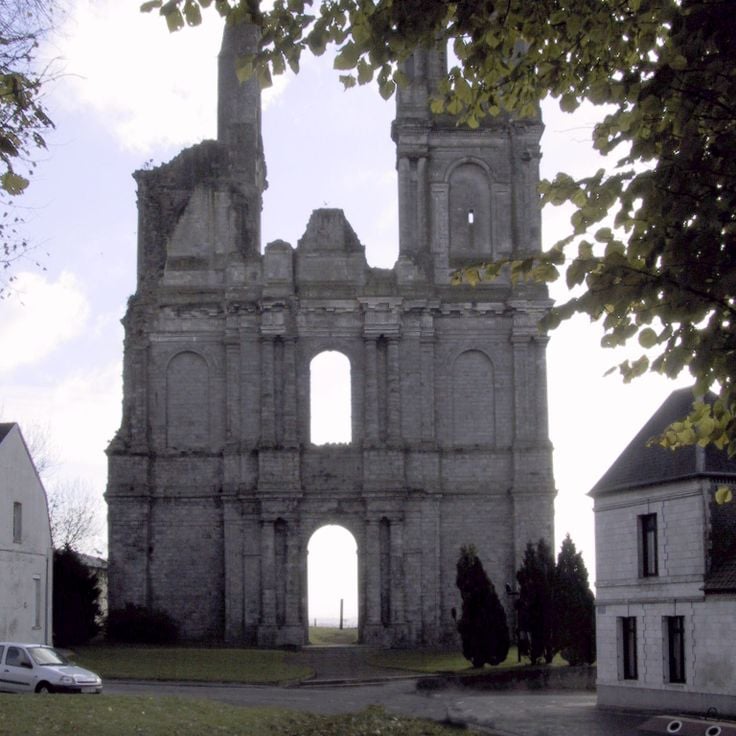
The ruins of Mont Saint Eloi Abbey date from the 18th century and stand on a hillside south of Arras. Two towers reach 148 feet (45 meters) in height and mark the site of a former Benedictine monastery. The grounds provide views across the surrounding Artois countryside. The towers served as observation posts during World War I and reflect the strategic importance of this elevated position. This site forms part of the region's concentration of historic abbeys and military landmarks.
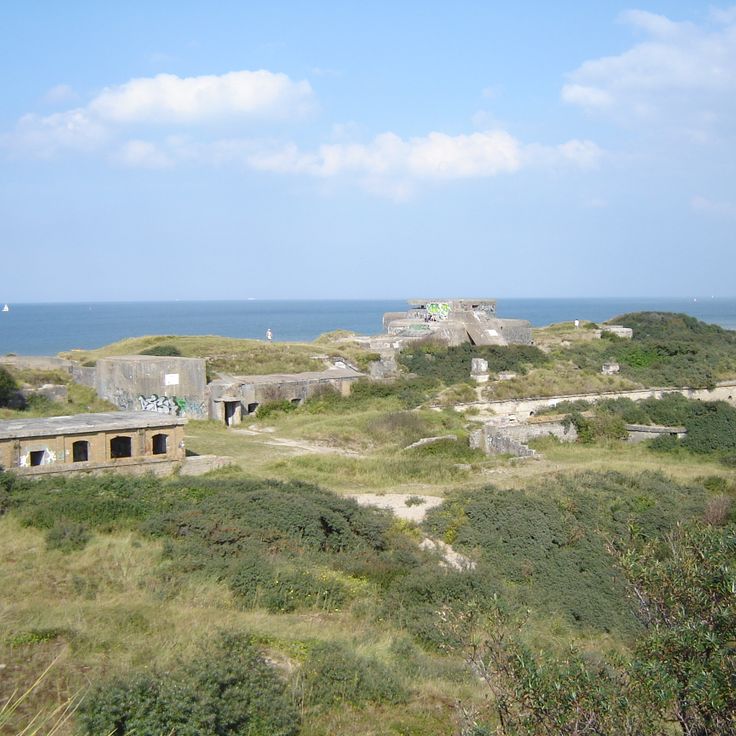
This World War II installation defended the coast with bunkers and artillery positions along the North Sea. Batterie de Zuydcoote stands among the military history sites in the Hauts-de-France region and documents the German Atlantic Wall defense system. Visitors can explore the preserved concrete bunkers.
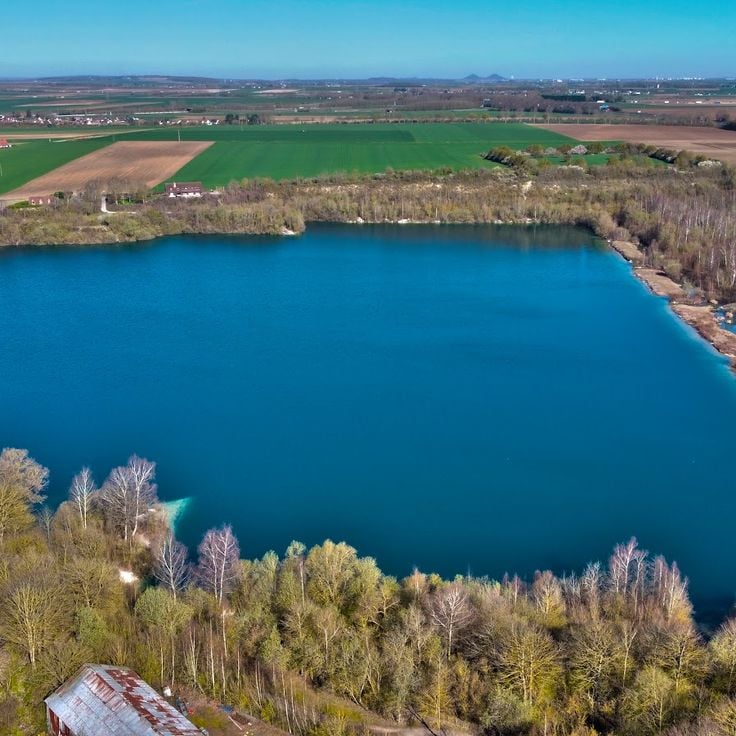
This lake formed in a flooded chalk quarry and displays a blue tint due to the mineral-rich stone. Lac Bleu sits within a former industrial site near Rœux and now forms a natural body of water surrounded by wooded banks. The grounds serve as a recreational area and attract hikers and nature observers who follow the development of flora and fauna in this restored landscape.
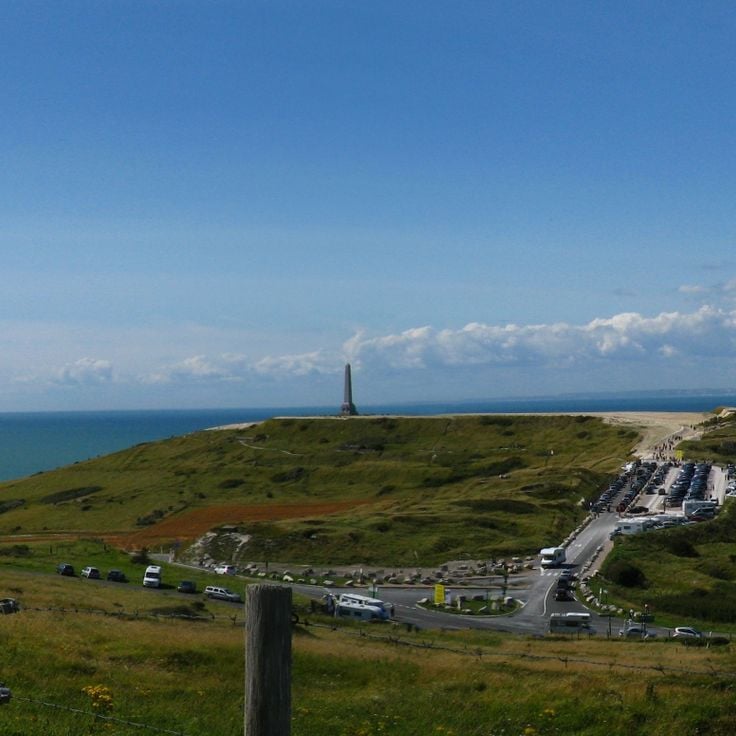
Cap Blanc-Nez is a white chalk cliff rising 134 meters (440 feet) above the Strait of Dover. These cliffs offer clear views of the English coast in good weather and mark a geographic point of historical significance for the Hauts-de-France region. An obelisk commemorates the Patrouille de France, and walking paths lead along the coastline toward the neighboring Cap Gris-Nez.
These botanical gardens surround the Abbaye de Valloires and display more than 5,000 plant species across several thematic sections. The grounds occupy extensive terrain that integrates formal planting beds, woodland areas and specialized collections of roses, perennials and ornamental shrubs. Visitors can explore winding paths that connect distinct garden rooms, each designed to showcase plants from different climatic regions while the eighteenth century Cistercian abbey provides a baroque architectural backdrop.
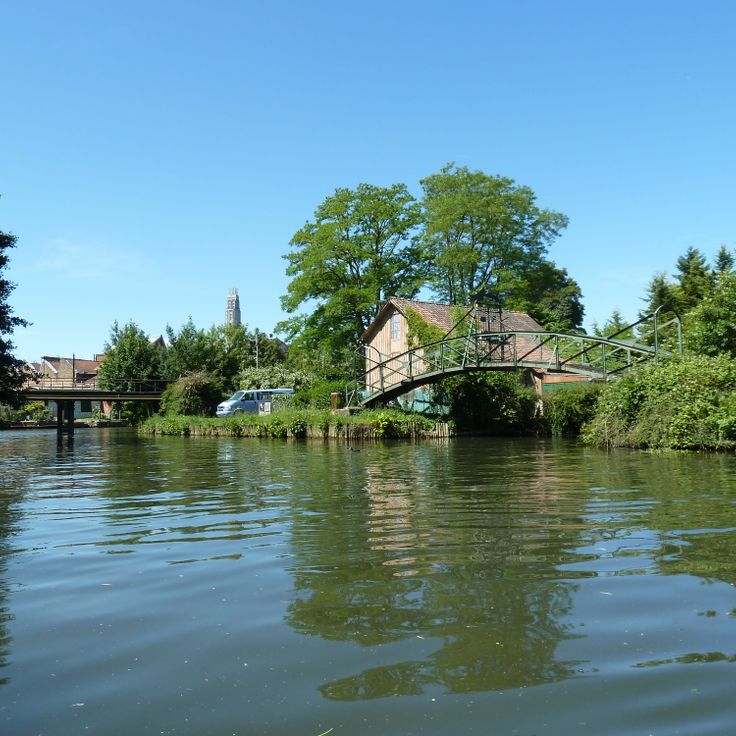
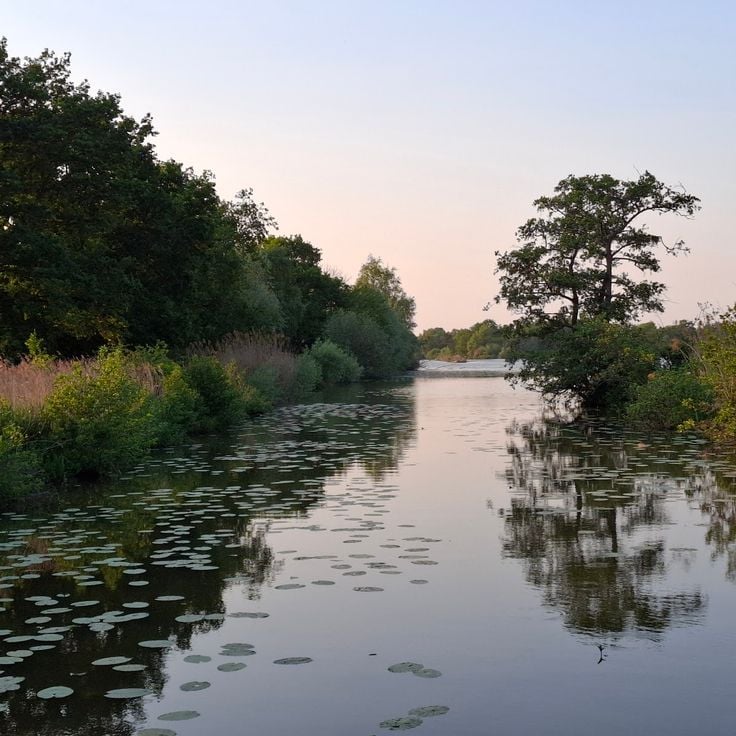
These floating gardens in Amiens comprise a network of canals and cultivated islands that have been farmed since medieval times. Les Hortillonnages span roughly 740 acres (300 hectares) and remain accessible only by flat-bottomed boats. The area lies within the city limits and serves both as a recreational zone and as testimony to centuries-old cultivation methods in the Somme wetlands.
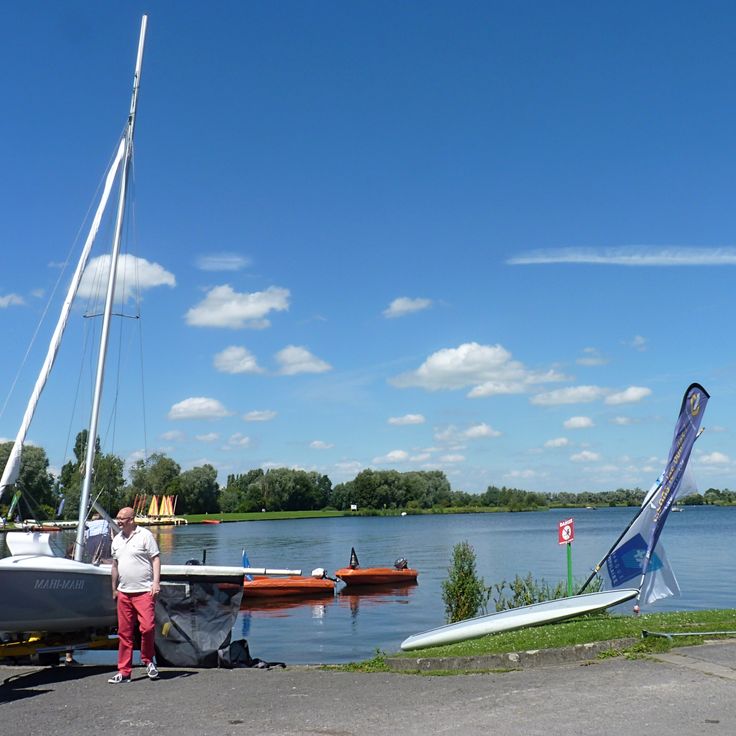
This 120-acre natural area sits on the northwestern edge of Armentières, combining recreational facilities with green spaces around a man-made lake. Les Prés du Hem offers sports grounds, walking trails through woodland and meadows, and picnic areas that attract local residents and visitors. Developed in the 1970s on former wetlands, the site now serves as a regional leisure zone in an otherwise densely populated part of Hauts-de-France.
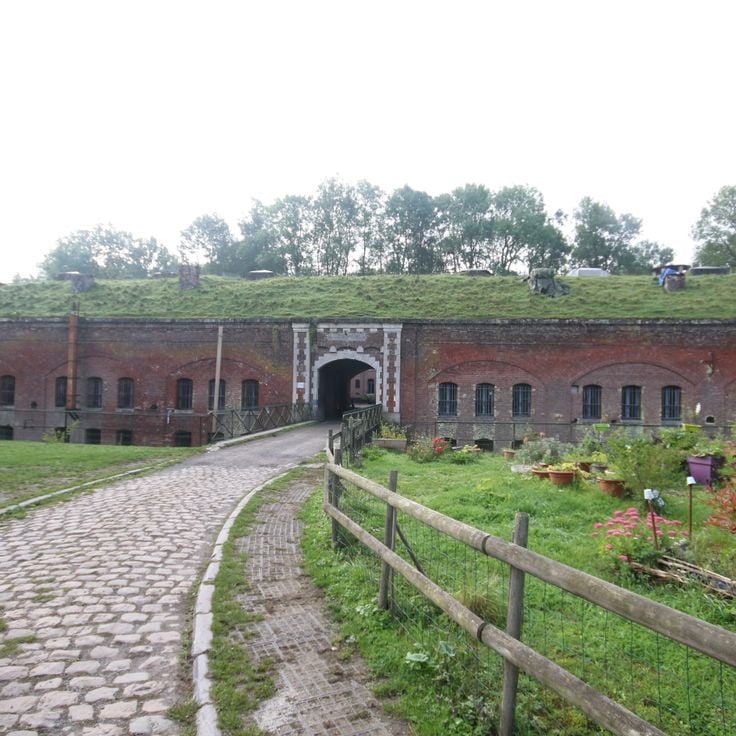
This military compound from 1875 preserves artillery collections and presents exhibitions about both World Wars in Seclin. The facility illustrates French military architecture of the late nineteenth century and documents the evolution of defense strategies across several decades. Fort de Seclin forms part of the Hauts-de-France region's historic military installations and complements the area's war memorial heritage through its preserved fortifications and military history collections.
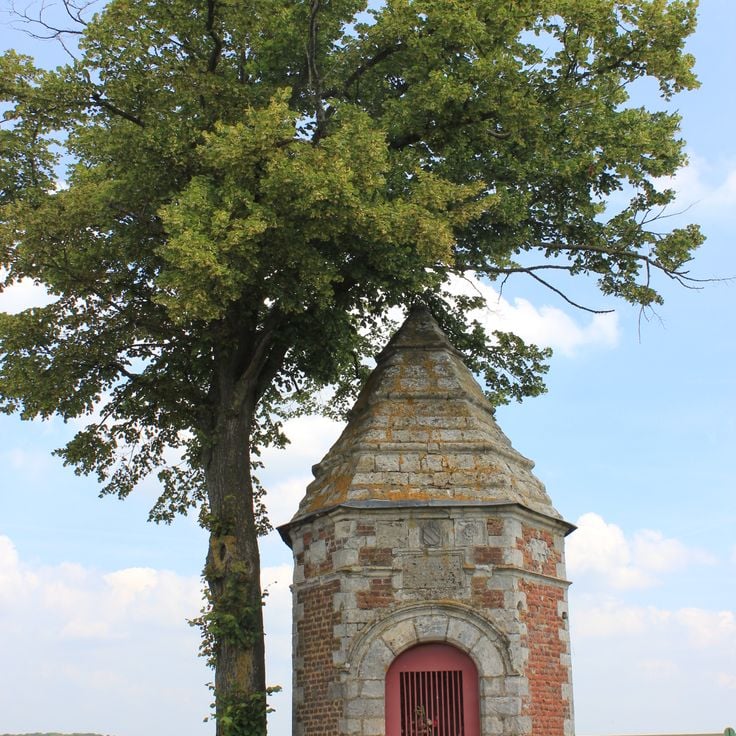
This chapel dates from the 12th century and preserves Romanesque wall paintings and architectural elements from its construction period. The Chapelle d'Étrun stands in the Hauts-de-France region as an example of medieval religious architecture and remains among the less visited historic sites in the area between Arras and Douai.
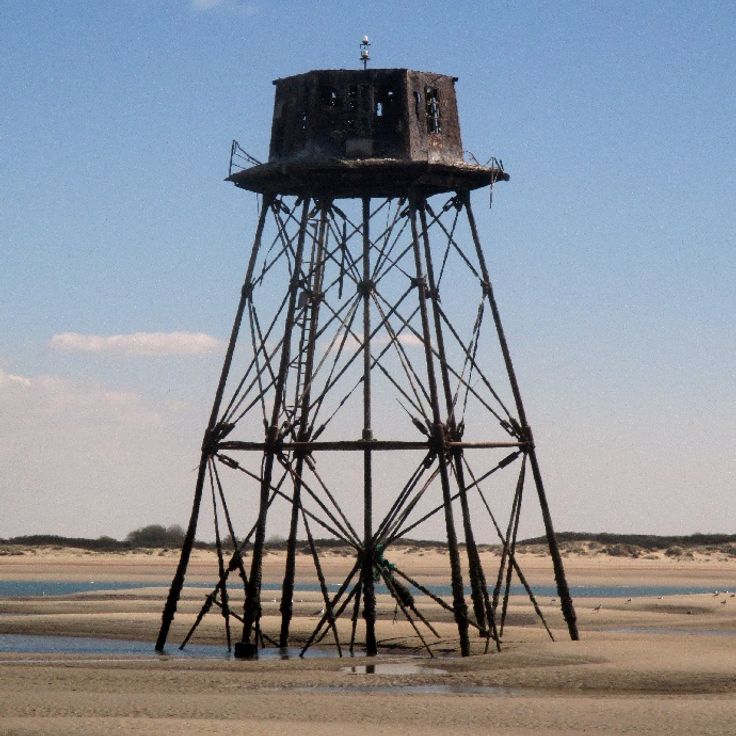
This lighthouse from 1857 guided vessels through the waters off the French coast until 1905 and retains its original optical system. The Phare de Walde stands as a technical artifact from the mid 19th century, when several such navigation aids were built along the English Channel. The preserved optics allow visitors to understand the maritime infrastructure of that era and the role these beacons played in shipping traffic through the Hauts-de-France region.
This former Carthusian monastery in Neuville-sous-Montreuil dates from the 14th century and ranks among the historic monastic sites of Hauts-de-France. The restored buildings include cloisters, chapels and an extensive garden area that documents medieval monastic architecture and the contemplative life of Carthusian monks.
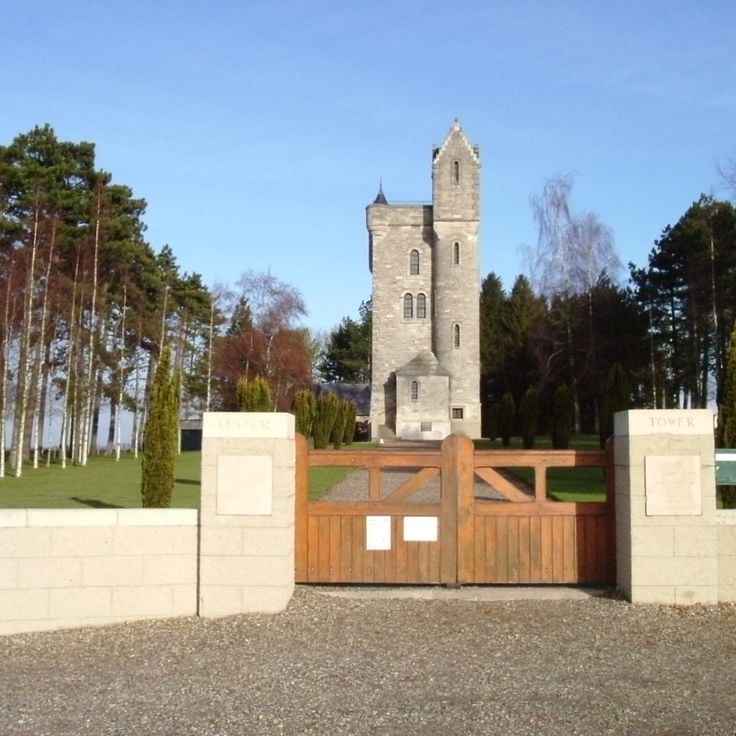
This 230-foot (70-meter) stone tower was built in 1921 to commemorate the 36th Ulster Division and its casualties. The Tour d'Ulster à Thiepval stands in a region that contains numerous World War I memorials and complements the historic commemorative sites of Hauts-de-France. The tower provides a vantage point over the battlefields and honors the division's soldiers who fought during the Somme offensive.
This nature reserve covers 247 acres (100 hectares) of wetlands in the Hauts-de-France region and provides habitat for water birds and fish. A 1.2-mile (2-kilometer) wooden boardwalk guides visitors through Réserve Naturelle de Romelaëre, offering access to the marshland and opportunities to observe native bird species that inhabit this protected peat bog environment.
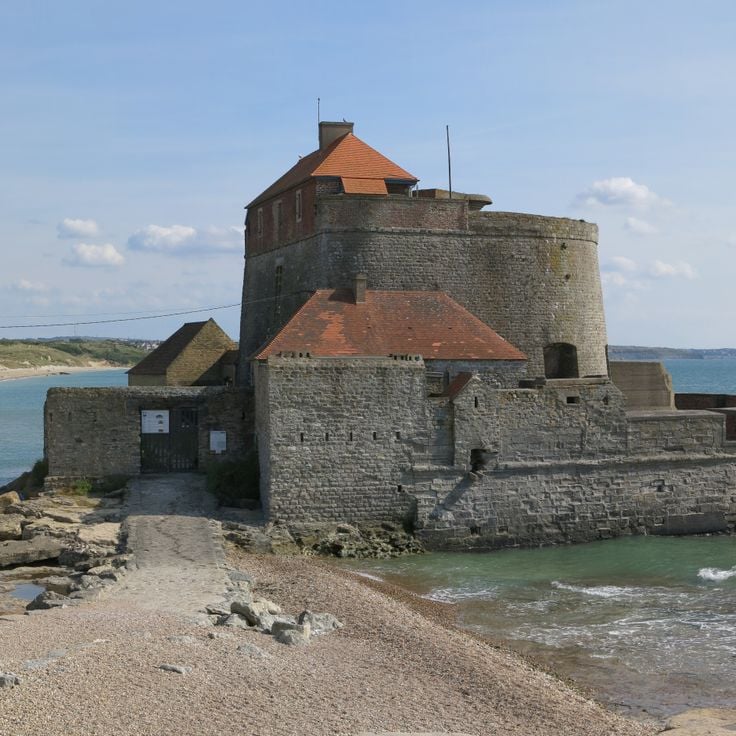
This 17th century fortress stands on the Opal Coast and was designed by Vauban to protect the harbor. Fort d'Ambleteuse guards the mouth of the Slack River and formed part of the coastal defenses under Louis XIV. The site remains an example of military architecture along the Channel coast and shows the strategic value of Ambleteuse in French naval warfare.
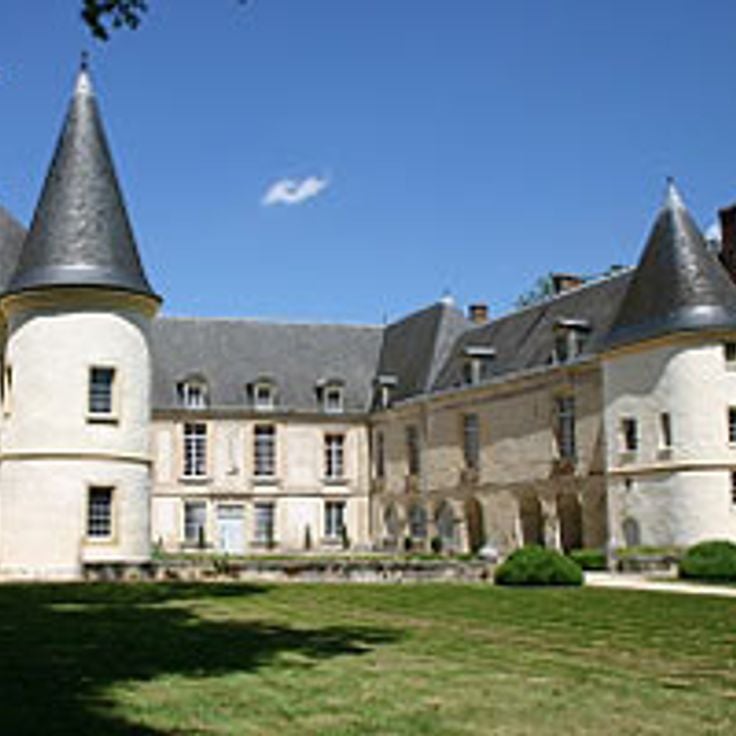
This castle in Condé-en-Brie preserves wall paintings by Giovanni Niccolò Servandoni and Antoine Watteau, along with furniture from the reign of Louis XV. The interiors display the artistic decoration of 18th-century French noble residences and document the transition from baroque to rococo style in the decoration of regional French castles.
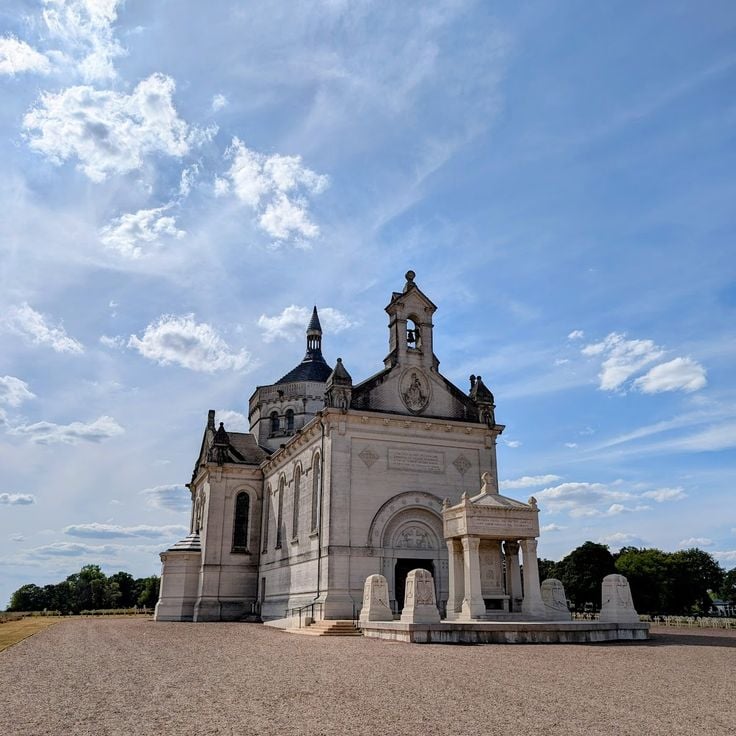
This military cemetery holds the remains of approximately 40,000 soldiers who died during World War I, with eight mass graves and thousands of individual plots. The Nécropole Nationale de Notre-Dame de Lorette occupies a strategic ridge that was fiercely contested during the Artois battles between 1914 and 1915. A Byzantine style basilica with a 170-foot (52-meter) lantern tower stands on the grounds. The ossuary preserves the remains of more than 20,000 unknown soldiers, while the site represents the largest French World War I military cemetery and includes casualties of multiple nationalities.
This chapel in Braine preserves a 12th century reliquary that according to tradition contains a drop of Christ's blood. The Romanesque structure ranks among the religious sites of the Hauts-de-France region and documents the medieval veneration of Christian relics in northern France.
This 15th century castle in Condette combines French and English architectural elements and hosts regular exhibitions on French-British history. Château d'Hardelot belongs to the historic sites of Hauts-de-France, which includes medieval castles and cultural heritage locations. The structure documents the historic connections between France and England over several centuries.
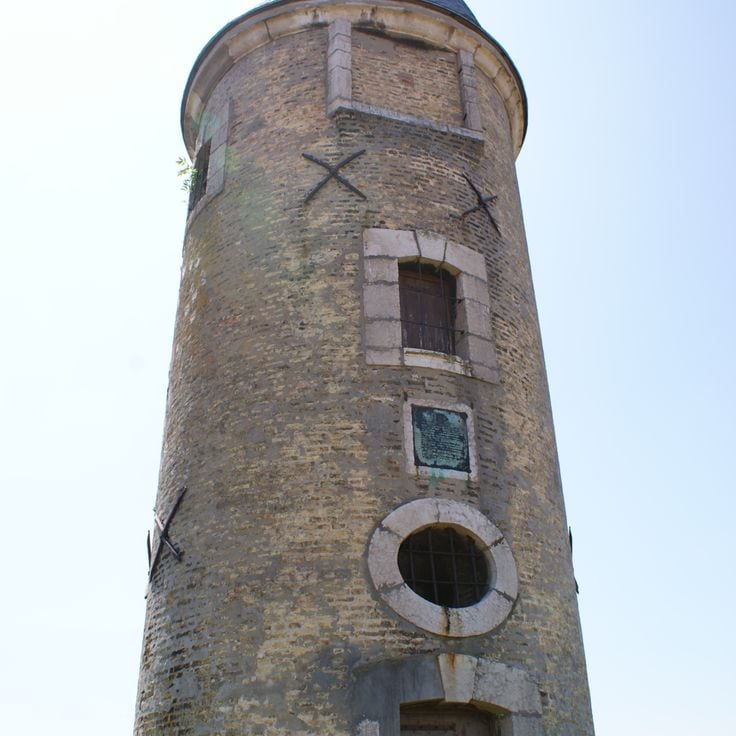
This 19th century tower combines Romanesque and Gothic elements with a bronze and iron clockwork mechanism and stands as a notable example of historical architecture in the Hauts-de-France region, where medieval castles and historic sites define the cultural landscape.
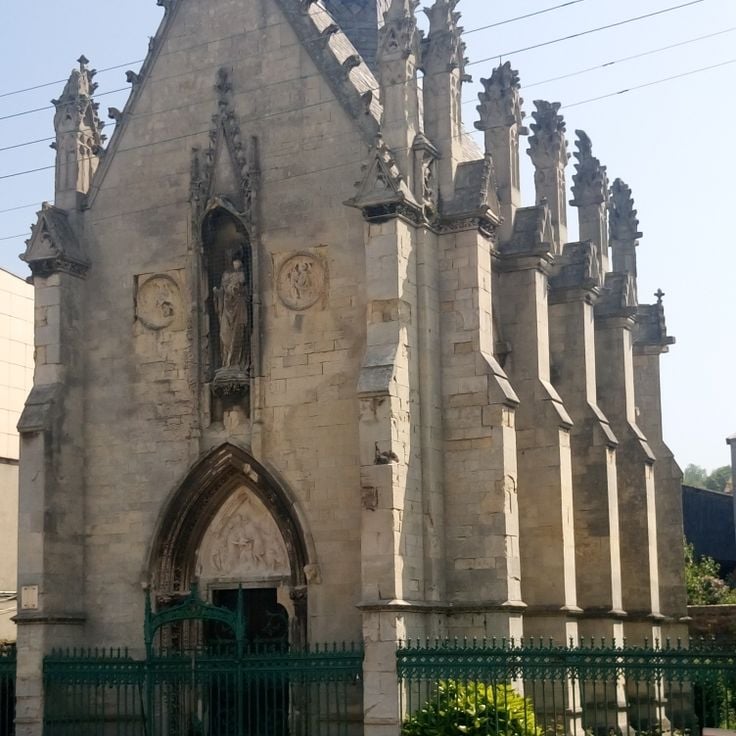
This chapel within the collection of medieval sites and natural areas of Hauts-de-France contains 16th century stained glass windows depicting biblical scenes and geometric patterns set within Gothic architecture. The chapel demonstrates the religious building styles of the region during the Renaissance period and complements historic sites such as the castles of Pierrefonds and Olhain.
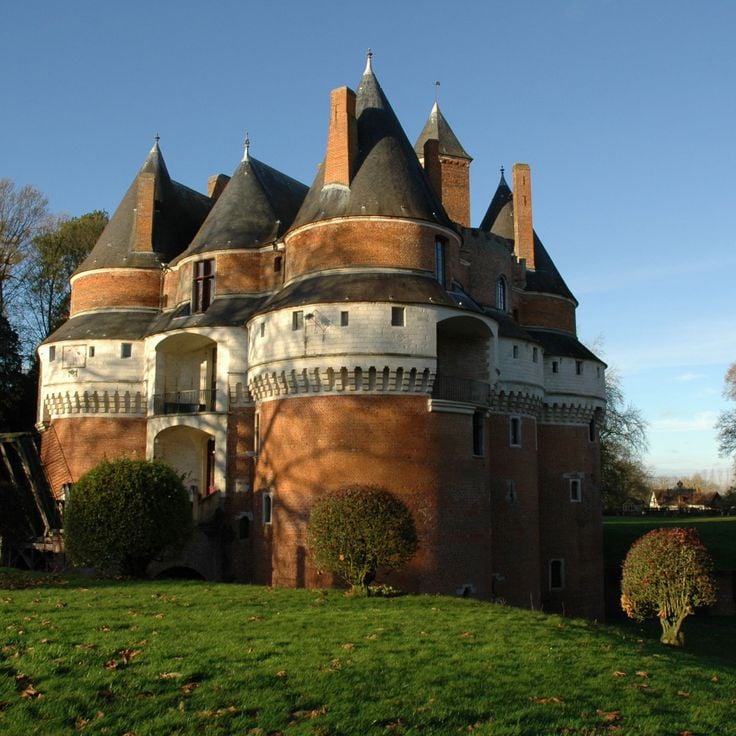
This medieval fortress of red brick houses a substantial collection of historic weapons and armor documenting the military life of past centuries. The Château de Rambures sits within a botanical garden containing more than 500 varieties of roses. The site combines military architecture with French garden design and ranks among the less visited castles in the Hauts-de-France region. The fortifications date from the 15th century and display typical elements of military construction from that era.
This underground complex in Landrethun-le-Nord was built during World War II to house V-3 supergun installations designed to strike London. The tunnel system extends through multiple levels and includes five main shafts carved into the limestone hillside. Following Allied bombing raids in 1944, Forteresse de Mimoyecques was never fully operational and now functions as a museum documenting the history of German retaliation weapons and the military engineering of the period.
This garden complex displays various themed garden spaces with seasonal plantings across four hectares of land developed since 1985 on a historic property in the Hauts-de-France region. The Jardins de Sericourt combine formal French garden design with naturalistic plantings and serve as an example of private garden estates in northern France. Visitors can walk through multiple garden rooms that demonstrate different botanical and design approaches throughout the year.
This medieval castle was rebuilt between 1857 and 1885 under the direction of architect Viollet-le-Duc and stands among the significant historic sites featured in the Hauts-de-France region. The massive fortress rises above the village of Pierrefonds and showcases the architect's interpretation of medieval military architecture, with eight round towers and a central courtyard. The original castle was constructed in the 12th century and served as a fortress for the Duke of Orléans in the 14th century. After its destruction in the 17th century, it remained a ruin until its restoration by Napoleon III.
This nature reserve covers 200 hectares (490 acres) along the Picardy coast and serves as a stopover for migratory birds on the East Atlantic flyway, with observation posts and guided walks through the dune landscape providing insight into seasonal movements of waders, geese, and herons that make Parc du Marquenterre a significant ornithological site in the Hauts-de-France region.
This collegiate church in Doullens was built during the 16th century and displays Gothic architectural styles with pointed arch windows, vaulted ceilings, and a detached bell tower. The structure is known for its exceptional acoustic properties, which enhance concerts and liturgical celebrations. The church represents one of the historic religious buildings in Hauts-de-France and documents Renaissance religious architecture in northern France.
This museum presents a collection of 170 paintings, drawings, sculptures and personal items by Henri Matisse in his birth house. The Musée Matisse traces the artist's development from early experiments through his mature period to late gouache works. Exhibition rooms display different creative phases and illustrate Matisse's influence on twentieth-century modern art.
This concrete bunker from World War II was constructed by Nazi Germany as a launch facility for V2 rockets and now operates as a history museum. The massive structure near Éperlecques demonstrates the military engineering of the period and documents the development of rocket weapons and the forced labor used in its construction. The museum presents exhibitions on the occupation of northern France and the history of vengeance weapons, complementing the historic military sites of Hauts-de-France with an important testament to World War II.
This Cistercian abbey was founded in the 12th century and displays Gothic architecture typical of the order. The monastery buildings and gardens are open to the public and regularly host flower exhibitions that combine the historic outdoor spaces with contemporary horticultural displays.
This 19th-century residential complex was built by industrialist Jean-Baptiste André Godin for workers at his cast iron factory and included communal facilities such as a theater, school and washhouse. The Familistère de Guise was based on social reform ideals and provided residents with access to education, healthcare and cultural activities. The complex consists of several multi-story buildings with interior courtyards and illustrates early concepts of social housing.
This 15th century medieval castle represents one of the region's fortified structures featured in the collection of castles and historic sites across Hauts-de-France. The Château d'Olhain includes a moat and four round corner towers in the Pas-de-Calais department. The fortress demonstrates regional defensive architecture from the late Gothic period and complements other historic locations such as Pierrefonds within this northern French region.
This 18th-century Cistercian abbey in Argoules features historic monastery buildings and an 8-hectare (20-acre) garden containing rare plant species. The site represents one of the significant religious structures in the region and complements the collection of medieval abbeys and castles found throughout Hauts-de-France.
The ruins of Mont Saint Eloi Abbey date from the 18th century and stand on a hillside south of Arras. Two towers reach 148 feet (45 meters) in height and mark the site of a former Benedictine monastery. The grounds provide views across the surrounding Artois countryside. The towers served as observation posts during World War I and reflect the strategic importance of this elevated position. This site forms part of the region's concentration of historic abbeys and military landmarks.
This World War II installation defended the coast with bunkers and artillery positions along the North Sea. Batterie de Zuydcoote stands among the military history sites in the Hauts-de-France region and documents the German Atlantic Wall defense system. Visitors can explore the preserved concrete bunkers.
This lake formed in a flooded chalk quarry and displays a blue tint due to the mineral-rich stone. Lac Bleu sits within a former industrial site near Rœux and now forms a natural body of water surrounded by wooded banks. The grounds serve as a recreational area and attract hikers and nature observers who follow the development of flora and fauna in this restored landscape.
Cap Blanc-Nez is a white chalk cliff rising 134 meters (440 feet) above the Strait of Dover. These cliffs offer clear views of the English coast in good weather and mark a geographic point of historical significance for the Hauts-de-France region. An obelisk commemorates the Patrouille de France, and walking paths lead along the coastline toward the neighboring Cap Gris-Nez.
These botanical gardens surround the Abbaye de Valloires and display more than 5,000 plant species across several thematic sections. The grounds occupy extensive terrain that integrates formal planting beds, woodland areas and specialized collections of roses, perennials and ornamental shrubs. Visitors can explore winding paths that connect distinct garden rooms, each designed to showcase plants from different climatic regions while the eighteenth century Cistercian abbey provides a baroque architectural backdrop.
These floating gardens in Amiens comprise a network of canals and cultivated islands that have been farmed since medieval times. Les Hortillonnages span roughly 740 acres (300 hectares) and remain accessible only by flat-bottomed boats. The area lies within the city limits and serves both as a recreational zone and as testimony to centuries-old cultivation methods in the Somme wetlands.
This 120-acre natural area sits on the northwestern edge of Armentières, combining recreational facilities with green spaces around a man-made lake. Les Prés du Hem offers sports grounds, walking trails through woodland and meadows, and picnic areas that attract local residents and visitors. Developed in the 1970s on former wetlands, the site now serves as a regional leisure zone in an otherwise densely populated part of Hauts-de-France.
This military compound from 1875 preserves artillery collections and presents exhibitions about both World Wars in Seclin. The facility illustrates French military architecture of the late nineteenth century and documents the evolution of defense strategies across several decades. Fort de Seclin forms part of the Hauts-de-France region's historic military installations and complements the area's war memorial heritage through its preserved fortifications and military history collections.
This chapel dates from the 12th century and preserves Romanesque wall paintings and architectural elements from its construction period. The Chapelle d'Étrun stands in the Hauts-de-France region as an example of medieval religious architecture and remains among the less visited historic sites in the area between Arras and Douai.
This lighthouse from 1857 guided vessels through the waters off the French coast until 1905 and retains its original optical system. The Phare de Walde stands as a technical artifact from the mid 19th century, when several such navigation aids were built along the English Channel. The preserved optics allow visitors to understand the maritime infrastructure of that era and the role these beacons played in shipping traffic through the Hauts-de-France region.
This former Carthusian monastery in Neuville-sous-Montreuil dates from the 14th century and ranks among the historic monastic sites of Hauts-de-France. The restored buildings include cloisters, chapels and an extensive garden area that documents medieval monastic architecture and the contemplative life of Carthusian monks.
This 230-foot (70-meter) stone tower was built in 1921 to commemorate the 36th Ulster Division and its casualties. The Tour d'Ulster à Thiepval stands in a region that contains numerous World War I memorials and complements the historic commemorative sites of Hauts-de-France. The tower provides a vantage point over the battlefields and honors the division's soldiers who fought during the Somme offensive.
This nature reserve covers 247 acres (100 hectares) of wetlands in the Hauts-de-France region and provides habitat for water birds and fish. A 1.2-mile (2-kilometer) wooden boardwalk guides visitors through Réserve Naturelle de Romelaëre, offering access to the marshland and opportunities to observe native bird species that inhabit this protected peat bog environment.
This 17th century fortress stands on the Opal Coast and was designed by Vauban to protect the harbor. Fort d'Ambleteuse guards the mouth of the Slack River and formed part of the coastal defenses under Louis XIV. The site remains an example of military architecture along the Channel coast and shows the strategic value of Ambleteuse in French naval warfare.
This castle in Condé-en-Brie preserves wall paintings by Giovanni Niccolò Servandoni and Antoine Watteau, along with furniture from the reign of Louis XV. The interiors display the artistic decoration of 18th-century French noble residences and document the transition from baroque to rococo style in the decoration of regional French castles.
This military cemetery holds the remains of approximately 40,000 soldiers who died during World War I, with eight mass graves and thousands of individual plots. The Nécropole Nationale de Notre-Dame de Lorette occupies a strategic ridge that was fiercely contested during the Artois battles between 1914 and 1915. A Byzantine style basilica with a 170-foot (52-meter) lantern tower stands on the grounds. The ossuary preserves the remains of more than 20,000 unknown soldiers, while the site represents the largest French World War I military cemetery and includes casualties of multiple nationalities.
This chapel in Braine preserves a 12th century reliquary that according to tradition contains a drop of Christ's blood. The Romanesque structure ranks among the religious sites of the Hauts-de-France region and documents the medieval veneration of Christian relics in northern France.
This 15th century castle in Condette combines French and English architectural elements and hosts regular exhibitions on French-British history. Château d'Hardelot belongs to the historic sites of Hauts-de-France, which includes medieval castles and cultural heritage locations. The structure documents the historic connections between France and England over several centuries.
This 19th century tower combines Romanesque and Gothic elements with a bronze and iron clockwork mechanism and stands as a notable example of historical architecture in the Hauts-de-France region, where medieval castles and historic sites define the cultural landscape.
This chapel within the collection of medieval sites and natural areas of Hauts-de-France contains 16th century stained glass windows depicting biblical scenes and geometric patterns set within Gothic architecture. The chapel demonstrates the religious building styles of the region during the Renaissance period and complements historic sites such as the castles of Pierrefonds and Olhain.
This medieval fortress of red brick houses a substantial collection of historic weapons and armor documenting the military life of past centuries. The Château de Rambures sits within a botanical garden containing more than 500 varieties of roses. The site combines military architecture with French garden design and ranks among the less visited castles in the Hauts-de-France region. The fortifications date from the 15th century and display typical elements of military construction from that era.
This underground complex in Landrethun-le-Nord was built during World War II to house V-3 supergun installations designed to strike London. The tunnel system extends through multiple levels and includes five main shafts carved into the limestone hillside. Following Allied bombing raids in 1944, Forteresse de Mimoyecques was never fully operational and now functions as a museum documenting the history of German retaliation weapons and the military engineering of the period.
This garden complex displays various themed garden spaces with seasonal plantings across four hectares of land developed since 1985 on a historic property in the Hauts-de-France region. The Jardins de Sericourt combine formal French garden design with naturalistic plantings and serve as an example of private garden estates in northern France. Visitors can walk through multiple garden rooms that demonstrate different botanical and design approaches throughout the year.
This medieval castle was rebuilt between 1857 and 1885 under the direction of architect Viollet-le-Duc and stands among the significant historic sites featured in the Hauts-de-France region. The massive fortress rises above the village of Pierrefonds and showcases the architect's interpretation of medieval military architecture, with eight round towers and a central courtyard. The original castle was constructed in the 12th century and served as a fortress for the Duke of Orléans in the 14th century. After its destruction in the 17th century, it remained a ruin until its restoration by Napoleon III.
This nature reserve covers 200 hectares (490 acres) along the Picardy coast and serves as a stopover for migratory birds on the East Atlantic flyway, with observation posts and guided walks through the dune landscape providing insight into seasonal movements of waders, geese, and herons that make Parc du Marquenterre a significant ornithological site in the Hauts-de-France region.
This collegiate church in Doullens was built during the 16th century and displays Gothic architectural styles with pointed arch windows, vaulted ceilings, and a detached bell tower. The structure is known for its exceptional acoustic properties, which enhance concerts and liturgical celebrations. The church represents one of the historic religious buildings in Hauts-de-France and documents Renaissance religious architecture in northern France.
This museum presents a collection of 170 paintings, drawings, sculptures and personal items by Henri Matisse in his birth house. The Musée Matisse traces the artist's development from early experiments through his mature period to late gouache works. Exhibition rooms display different creative phases and illustrate Matisse's influence on twentieth-century modern art.
This concrete bunker from World War II was constructed by Nazi Germany as a launch facility for V2 rockets and now operates as a history museum. The massive structure near Éperlecques demonstrates the military engineering of the period and documents the development of rocket weapons and the forced labor used in its construction. The museum presents exhibitions on the occupation of northern France and the history of vengeance weapons, complementing the historic military sites of Hauts-de-France with an important testament to World War II.
This Cistercian abbey was founded in the 12th century and displays Gothic architecture typical of the order. The monastery buildings and gardens are open to the public and regularly host flower exhibitions that combine the historic outdoor spaces with contemporary horticultural displays.
This 19th-century residential complex was built by industrialist Jean-Baptiste André Godin for workers at his cast iron factory and included communal facilities such as a theater, school and washhouse. The Familistère de Guise was based on social reform ideals and provided residents with access to education, healthcare and cultural activities. The complex consists of several multi-story buildings with interior courtyards and illustrates early concepts of social housing.
This 15th century medieval castle represents one of the region's fortified structures featured in the collection of castles and historic sites across Hauts-de-France. The Château d'Olhain includes a moat and four round corner towers in the Pas-de-Calais department. The fortress demonstrates regional defensive architecture from the late Gothic period and complements other historic locations such as Pierrefonds within this northern French region.
This 18th-century Cistercian abbey in Argoules features historic monastery buildings and an 8-hectare (20-acre) garden containing rare plant species. The site represents one of the significant religious structures in the region and complements the collection of medieval abbeys and castles found throughout Hauts-de-France.
The ruins of Mont Saint Eloi Abbey date from the 18th century and stand on a hillside south of Arras. Two towers reach 148 feet (45 meters) in height and mark the site of a former Benedictine monastery. The grounds provide views across the surrounding Artois countryside. The towers served as observation posts during World War I and reflect the strategic importance of this elevated position. This site forms part of the region's concentration of historic abbeys and military landmarks.
This World War II installation defended the coast with bunkers and artillery positions along the North Sea. Batterie de Zuydcoote stands among the military history sites in the Hauts-de-France region and documents the German Atlantic Wall defense system. Visitors can explore the preserved concrete bunkers.
This lake formed in a flooded chalk quarry and displays a blue tint due to the mineral-rich stone. Lac Bleu sits within a former industrial site near Rœux and now forms a natural body of water surrounded by wooded banks. The grounds serve as a recreational area and attract hikers and nature observers who follow the development of flora and fauna in this restored landscape.
Cap Blanc-Nez is a white chalk cliff rising 134 meters (440 feet) above the Strait of Dover. These cliffs offer clear views of the English coast in good weather and mark a geographic point of historical significance for the Hauts-de-France region. An obelisk commemorates the Patrouille de France, and walking paths lead along the coastline toward the neighboring Cap Gris-Nez.
These botanical gardens surround the Abbaye de Valloires and display more than 5,000 plant species across several thematic sections. The grounds occupy extensive terrain that integrates formal planting beds, woodland areas and specialized collections of roses, perennials and ornamental shrubs. Visitors can explore winding paths that connect distinct garden rooms, each designed to showcase plants from different climatic regions while the eighteenth century Cistercian abbey provides a baroque architectural backdrop.
These floating gardens in Amiens comprise a network of canals and cultivated islands that have been farmed since medieval times. Les Hortillonnages span roughly 740 acres (300 hectares) and remain accessible only by flat-bottomed boats. The area lies within the city limits and serves both as a recreational zone and as testimony to centuries-old cultivation methods in the Somme wetlands.
This 120-acre natural area sits on the northwestern edge of Armentières, combining recreational facilities with green spaces around a man-made lake. Les Prés du Hem offers sports grounds, walking trails through woodland and meadows, and picnic areas that attract local residents and visitors. Developed in the 1970s on former wetlands, the site now serves as a regional leisure zone in an otherwise densely populated part of Hauts-de-France.
This military compound from 1875 preserves artillery collections and presents exhibitions about both World Wars in Seclin. The facility illustrates French military architecture of the late nineteenth century and documents the evolution of defense strategies across several decades. Fort de Seclin forms part of the Hauts-de-France region's historic military installations and complements the area's war memorial heritage through its preserved fortifications and military history collections.
This chapel dates from the 12th century and preserves Romanesque wall paintings and architectural elements from its construction period. The Chapelle d'Étrun stands in the Hauts-de-France region as an example of medieval religious architecture and remains among the less visited historic sites in the area between Arras and Douai.
This lighthouse from 1857 guided vessels through the waters off the French coast until 1905 and retains its original optical system. The Phare de Walde stands as a technical artifact from the mid 19th century, when several such navigation aids were built along the English Channel. The preserved optics allow visitors to understand the maritime infrastructure of that era and the role these beacons played in shipping traffic through the Hauts-de-France region.
This former Carthusian monastery in Neuville-sous-Montreuil dates from the 14th century and ranks among the historic monastic sites of Hauts-de-France. The restored buildings include cloisters, chapels and an extensive garden area that documents medieval monastic architecture and the contemplative life of Carthusian monks.
This 230-foot (70-meter) stone tower was built in 1921 to commemorate the 36th Ulster Division and its casualties. The Tour d'Ulster à Thiepval stands in a region that contains numerous World War I memorials and complements the historic commemorative sites of Hauts-de-France. The tower provides a vantage point over the battlefields and honors the division's soldiers who fought during the Somme offensive.
This nature reserve covers 247 acres (100 hectares) of wetlands in the Hauts-de-France region and provides habitat for water birds and fish. A 1.2-mile (2-kilometer) wooden boardwalk guides visitors through Réserve Naturelle de Romelaëre, offering access to the marshland and opportunities to observe native bird species that inhabit this protected peat bog environment.
This 17th century fortress stands on the Opal Coast and was designed by Vauban to protect the harbor. Fort d'Ambleteuse guards the mouth of the Slack River and formed part of the coastal defenses under Louis XIV. The site remains an example of military architecture along the Channel coast and shows the strategic value of Ambleteuse in French naval warfare.
This castle in Condé-en-Brie preserves wall paintings by Giovanni Niccolò Servandoni and Antoine Watteau, along with furniture from the reign of Louis XV. The interiors display the artistic decoration of 18th-century French noble residences and document the transition from baroque to rococo style in the decoration of regional French castles.
This military cemetery holds the remains of approximately 40,000 soldiers who died during World War I, with eight mass graves and thousands of individual plots. The Nécropole Nationale de Notre-Dame de Lorette occupies a strategic ridge that was fiercely contested during the Artois battles between 1914 and 1915. A Byzantine style basilica with a 170-foot (52-meter) lantern tower stands on the grounds. The ossuary preserves the remains of more than 20,000 unknown soldiers, while the site represents the largest French World War I military cemetery and includes casualties of multiple nationalities.
This chapel in Braine preserves a 12th century reliquary that according to tradition contains a drop of Christ's blood. The Romanesque structure ranks among the religious sites of the Hauts-de-France region and documents the medieval veneration of Christian relics in northern France.
This 15th century castle in Condette combines French and English architectural elements and hosts regular exhibitions on French-British history. Château d'Hardelot belongs to the historic sites of Hauts-de-France, which includes medieval castles and cultural heritage locations. The structure documents the historic connections between France and England over several centuries.
This 19th century tower combines Romanesque and Gothic elements with a bronze and iron clockwork mechanism and stands as a notable example of historical architecture in the Hauts-de-France region, where medieval castles and historic sites define the cultural landscape.
This chapel within the collection of medieval sites and natural areas of Hauts-de-France contains 16th century stained glass windows depicting biblical scenes and geometric patterns set within Gothic architecture. The chapel demonstrates the religious building styles of the region during the Renaissance period and complements historic sites such as the castles of Pierrefonds and Olhain.
This medieval fortress of red brick houses a substantial collection of historic weapons and armor documenting the military life of past centuries. The Château de Rambures sits within a botanical garden containing more than 500 varieties of roses. The site combines military architecture with French garden design and ranks among the less visited castles in the Hauts-de-France region. The fortifications date from the 15th century and display typical elements of military construction from that era.