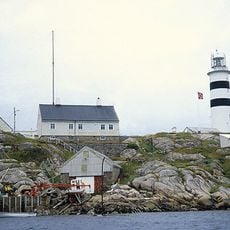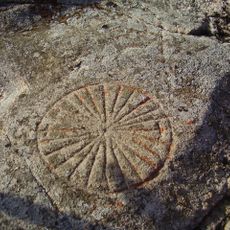
Arctic Circle, Geographic boundary at 66°33'N in North America, Northern Europe, and Russia.
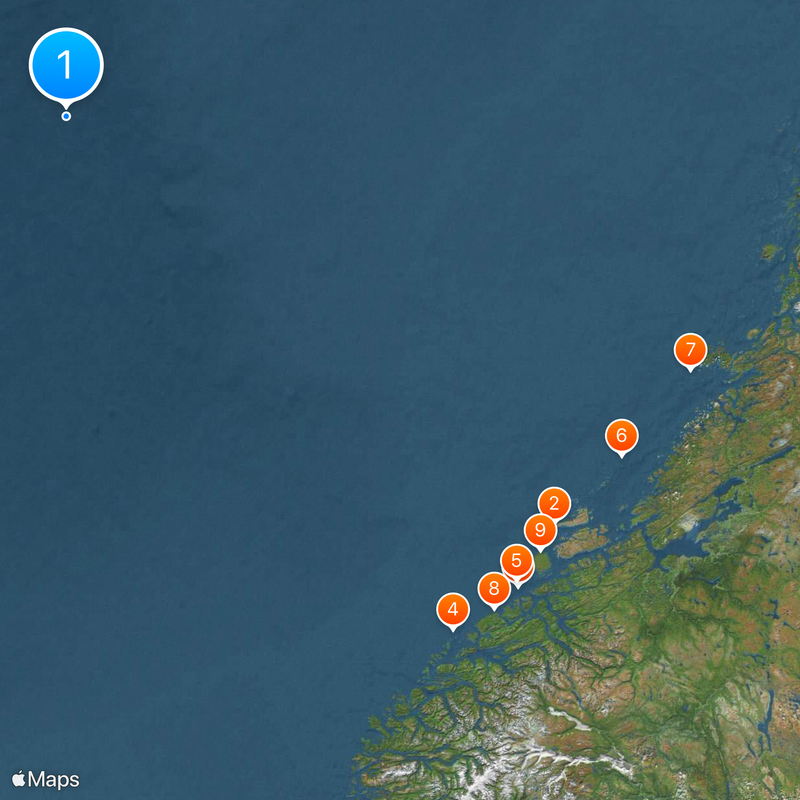
The line crosses eight countries and territories—Canada, Greenland, Iceland, Norway, Sweden, Finland, Russia, and the United States—running through tundra, forests, mountains, and open sea without any physical marker visible in most places. South of this latitude, the sun dips below the horizon every day of the year, while north of it, continuous daylight or darkness occurs for at least one full day depending on the season.
Ancient Greek scholars described a northern boundary where the sun behaved differently long before explorers physically reached these latitudes in the 16th century. European expeditions during the 1700s confirmed the exact location of the line through astronomical observations made during voyages searching for northern sea routes.
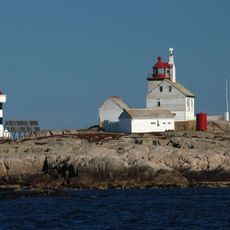
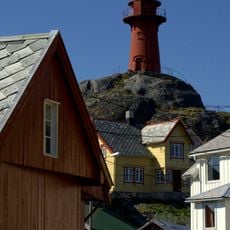
People living near the circle follow a rhythm shaped by months without sunset in summer and without sunrise in winter, organizing their daily routines around this extreme shift in daylight. In many communities, visitors encounter reindeer herders, fishermen preparing their catch, and festivals celebrating the return of the sun after the long polar night.
Visitors should prepare for the midnight sun between May and August, when daylight persists through the night, while November through January brings total darkness at midday depending on how far north you travel. Layered clothing works best year-round because temperatures swing widely between seasons, and weather conditions can shift rapidly even within a single day.
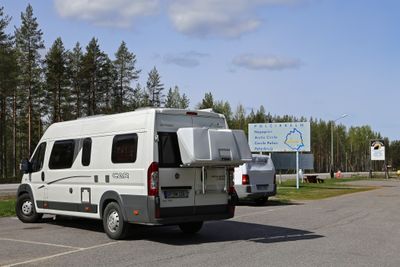
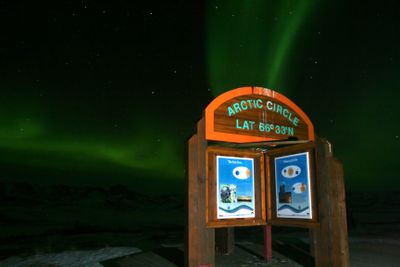
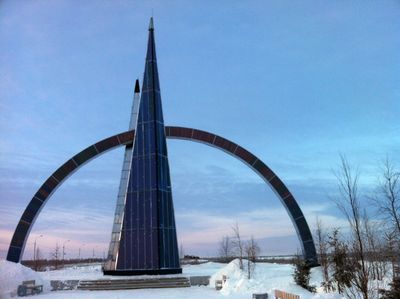
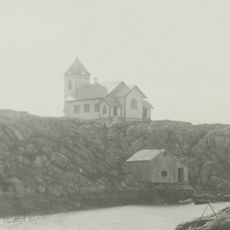
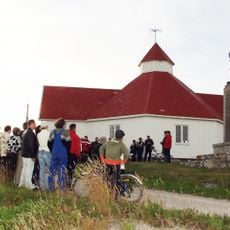
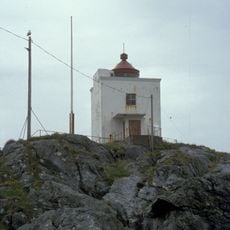
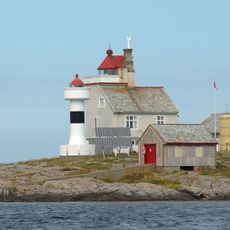
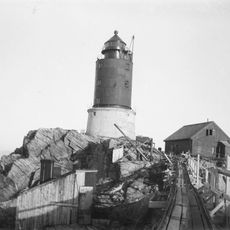
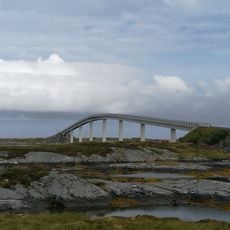
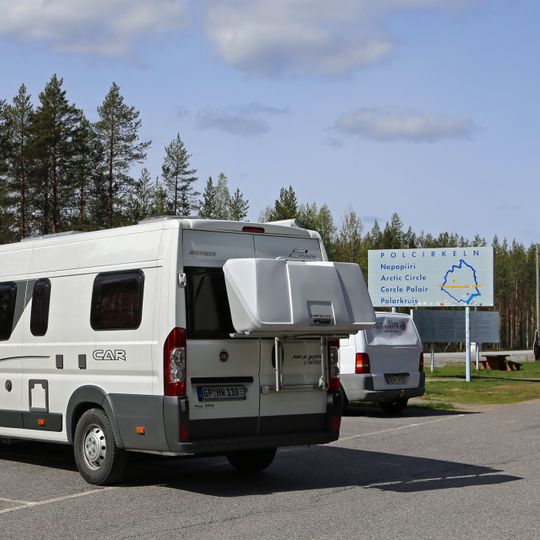
The exact position of the line moves gradually over decades because of slow changes in how Earth tilts on its axis, meaning monuments built to mark the spot may no longer sit on the true latitude. Some crossings along roads in Scandinavia and Alaska feature roadside markers and visitor centers, though the actual boundary remains invisible to the eye.
The community of curious travelers
AroundUs brings together thousands of curated places, local tips, and hidden gems, enriched daily by 91,522 contributors worldwide.