Helsinki Olympic Stadium, Olympic stadium in Taka-Töölö, Finland
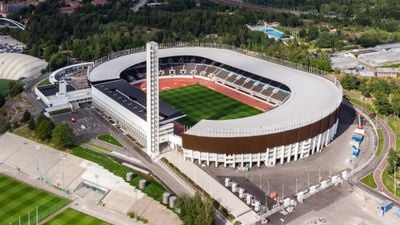
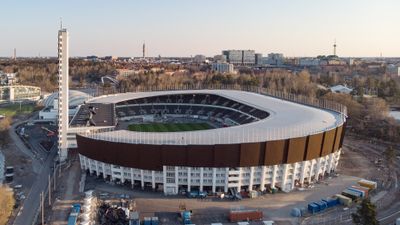
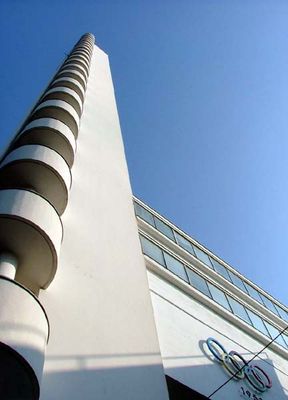
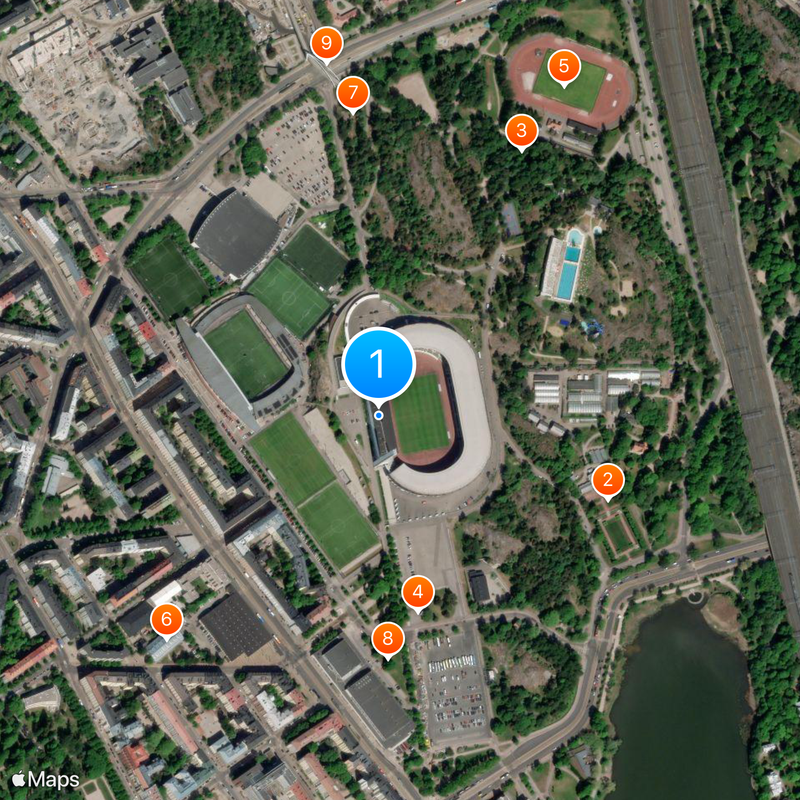
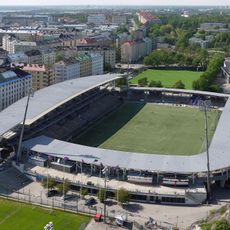
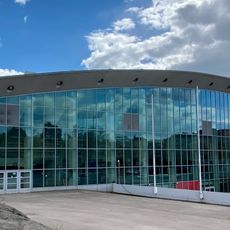
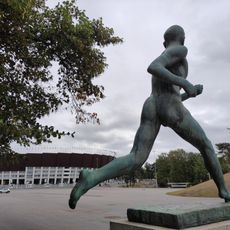
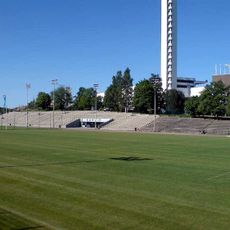
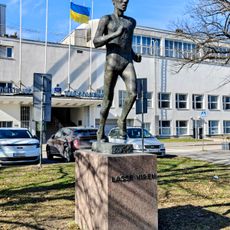
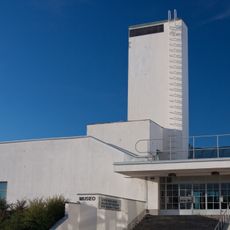
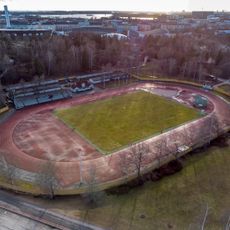
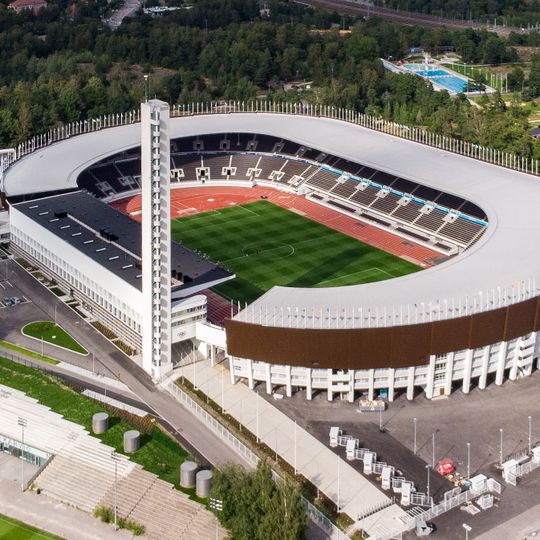
Helsinki Olympic Stadium is a sports complex in the Taka-Töölö district with a 72-meter tower rising above the seating bowl. The structure shows functionalist lines throughout, with exposed concrete and open sightlines allowing views from all levels of the stands.
Architects Yrjö Lindegren and Toivo Jäntti designed the complex between 1934 and 1938 for the Summer Olympics, which were postponed until 1952 due to World War II. The Games marked Finland's return to international sports after years of conflict and isolation.
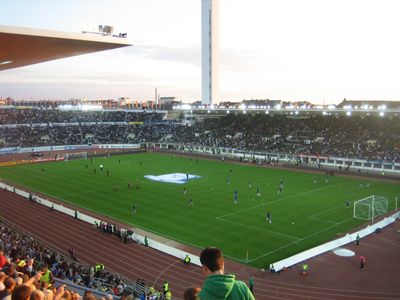
The venue carries a deep connection to Finnish identity through sports, especially after the eagle-owl incident that gave the national football team its nickname. Locals still refer to matches here with pride, and the tower serves as a landmark for orientation across the city.
Visitors can walk around the outer perimeter freely, and the grounds include benches and pathways for resting between events. The tower on the north side offers views over nearby neighborhoods and can be visited during open hours.
A Eurasian eagle-owl interrupted a qualifying match for the 2008 European Championship by landing on the pitch and refusing to move for several minutes. The bird inspired the Finnish team's nickname and later became an unofficial mascot for the squad.
The community of curious travelers
AroundUs brings together thousands of curated places, local tips, and hidden gems, enriched daily by 91,275 contributors worldwide.