Kallio, Urban neighborhood in Helsinki, Finland
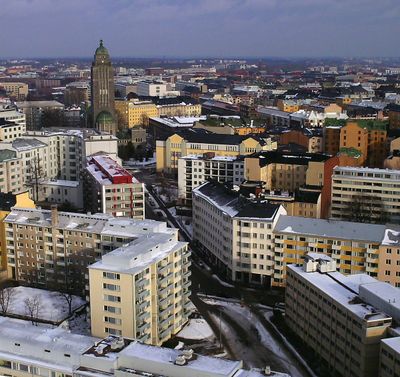
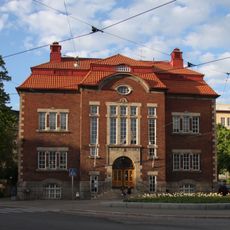
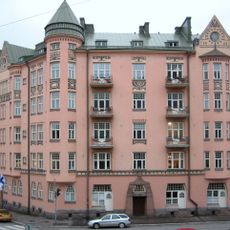
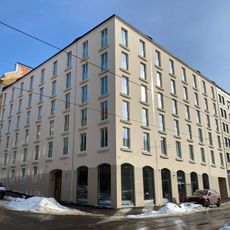
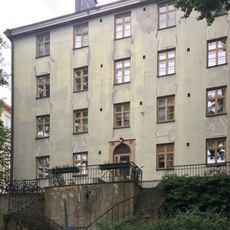
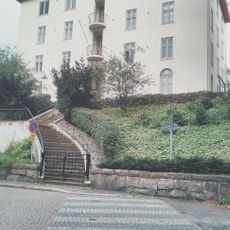
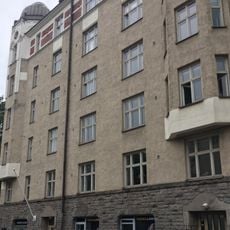
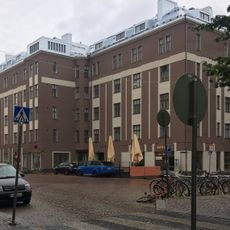
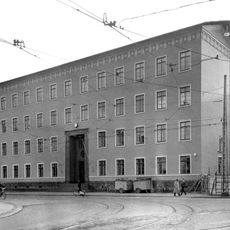
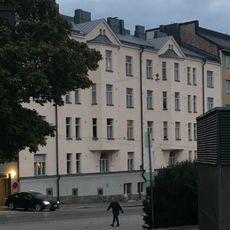
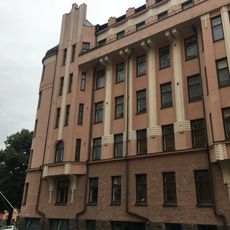
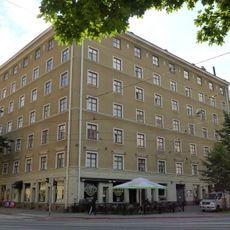
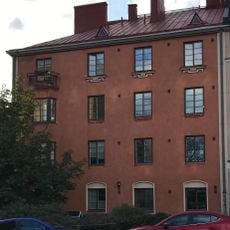
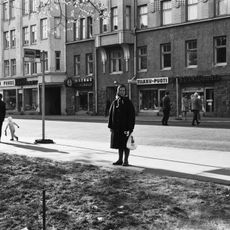
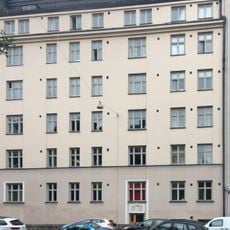
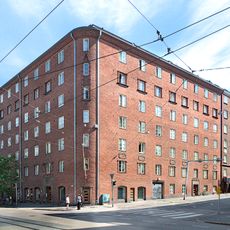
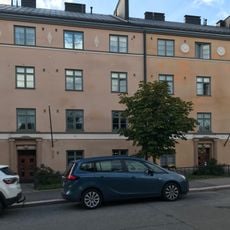
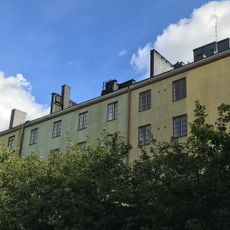
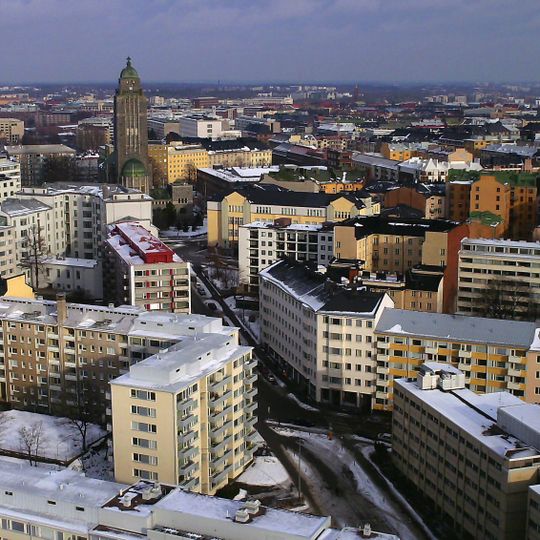
Kallio extends north of central Helsinki, accessible via the Pitkäsilta bridge, and features a mix of residential and commercial buildings built on granite bedrock. The neighborhood combines older structures with newer developments, creating varied streetscapes and dense urban blocks.
The district originated in the 1860s as an industrial zone with worker housing and gradually transformed into a residential area. This shift from industrial use to residential living shaped the neighborhood's character and urban layout.
The neighborhood hosts art galleries, performance spaces, and the Suvilahti Graffiti Wall, which was Finland's first approved street art location. Visitors can walk through streets where contemporary creativity is openly displayed and celebrated by locals.
The district connects to central Helsinki through two metro stations and multiple tram lines, including the number 3 tram from the central railway station. Good public transport access makes exploring different parts of the neighborhood easy on foot.
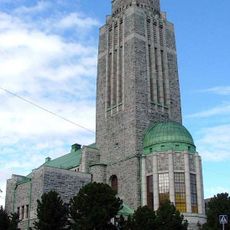
Kallio Church features a distinctive black granite steeple built in the early 20th century and serves as the neighborhood's most recognizable landmark. The building's striking design makes it impossible to miss when walking through the area.
The community of curious travelers
AroundUs brings together thousands of curated places, local tips, and hidden gems, enriched daily by 91,723 contributors worldwide.