Maškovića Han, Caravanserai in Vrana, Croatia
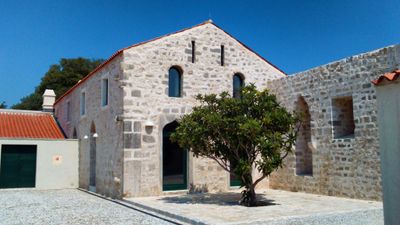
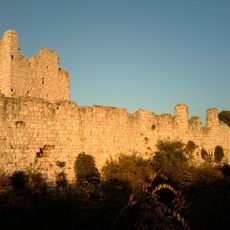
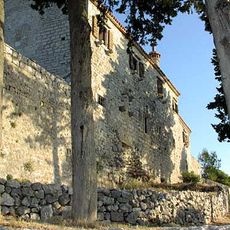
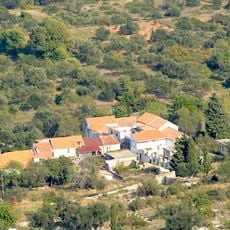
Maškovića Han is a former caravanserai with thick fortified walls encompassing multiple connected spaces. The complex contains guest rooms with fireplaces, interior courtyards with water fountains, and covered pavilions for merchants and travelers.
Jusuf Mašković, a high official of the Turkish court born in Vrana or Pakoštane, financed and commissioned the han; construction began in 1644, when the Candian War broke out, and stopped at his death in January 1646. After Vrana's final liberation in 1699 the han passed to the Borelli family, which administered the Vrana fief from 1752 to 1881. Partisans who took the han in 1945 set fire to its buildings, causing most of the damage.
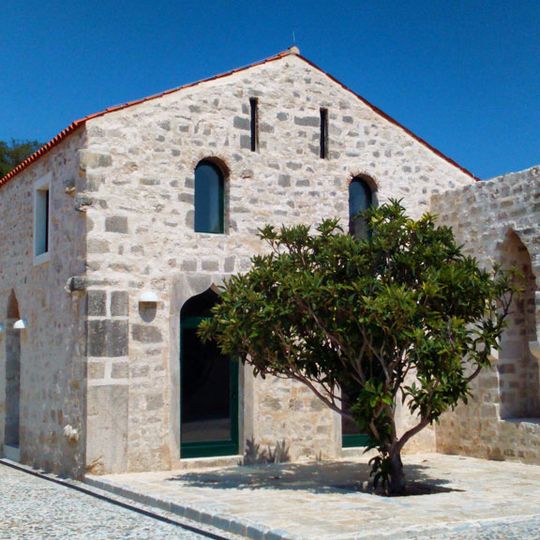
The han's name links it to Jusuf Mašković, a high official of the Turkish court born in Vrana or Pakoštane. Its most recognizable surviving details are pointed Islamic arches and the 'lukovica' (small dome) elements, which are rare in this part of Europe. Descendants of the Borelli family's foremen, the Pelicarić family, still live in the han, which has helped protect it from greater destruction.
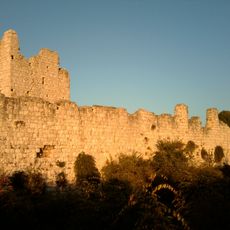
The site is accessible on foot and features explanatory panels about its historic use. The best time to visit is early morning or late afternoon when the sun angle reveals the details of the walls and stone carvings more clearly.
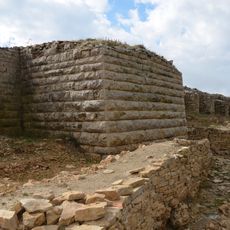
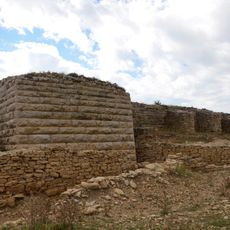
The fortification walls contain a series of niches and narrow openings that served both practical and defensive purposes. These details reveal how the building functioned as both a refuge for travelers and a strategic military outpost.
The community of curious travelers
AroundUs brings together thousands of curated places, local tips, and hidden gems, enriched daily by 94,587 contributors worldwide.