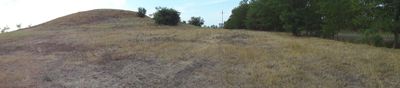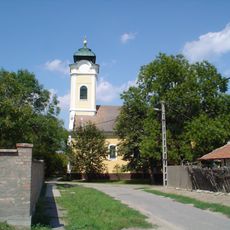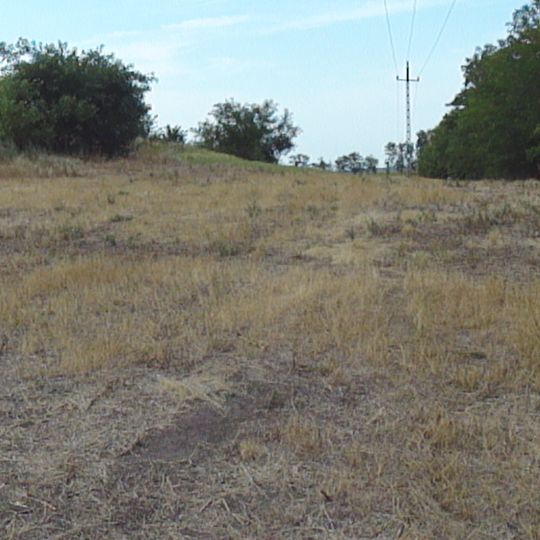
Gödény-halom, Prehistoric burial mound in Békésszentandrás, Hungary.
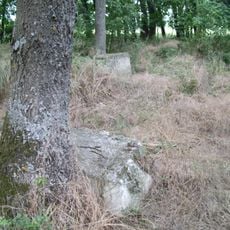
Gödény-halom is a burial mound in Békésszentandrás that rises about 12 meters (39 feet) above the surrounding land and stands as the largest Cumanian mound in central Europe. The earthwork marks where three counties meet and forms a prominent feature in the regional landscape.
The mound was built more than 5000 years ago, making it older than the Egyptian pyramids and one of the oldest structures in the region. Over the millennia the site witnessed Roman settlement and later the Hungarian occupation of the Carpathian Basin.
The name comes from pelicans that gathered here centuries ago, giving the mound its distinctive character in local memory. Today the site reflects how communities marked important places in their landscape through both naming and protection.
The mound can be reached by a route of around 5 kilometers where visitors can spot local animals like deer, rabbits, and birds of prey. The best time to visit is in the morning or early afternoon when wildlife is most active.
The mound is home to some of the last remaining specimens of native wheat in the region, which is why it receives protection today. These rare plants make the site particularly valuable for botanists and conservation specialists.
The community of curious travelers
AroundUs brings together thousands of curated places, local tips, and hidden gems, enriched daily by 91,839 contributors worldwide.