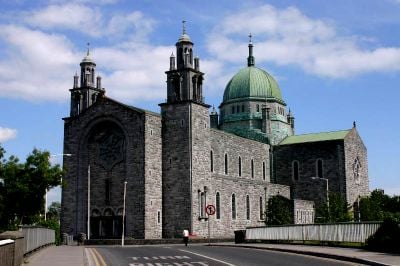
Galway, Administrative center in western Ireland.
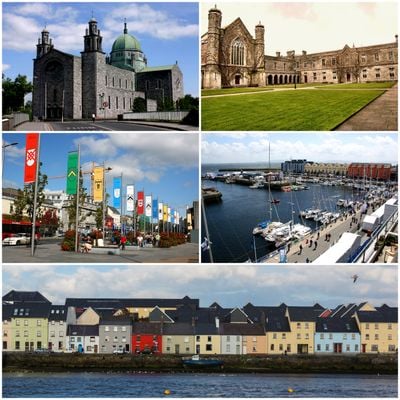
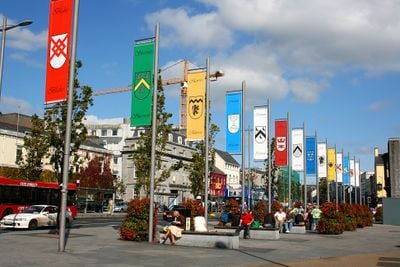
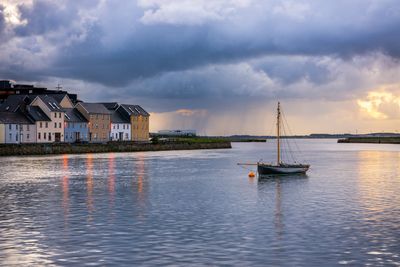
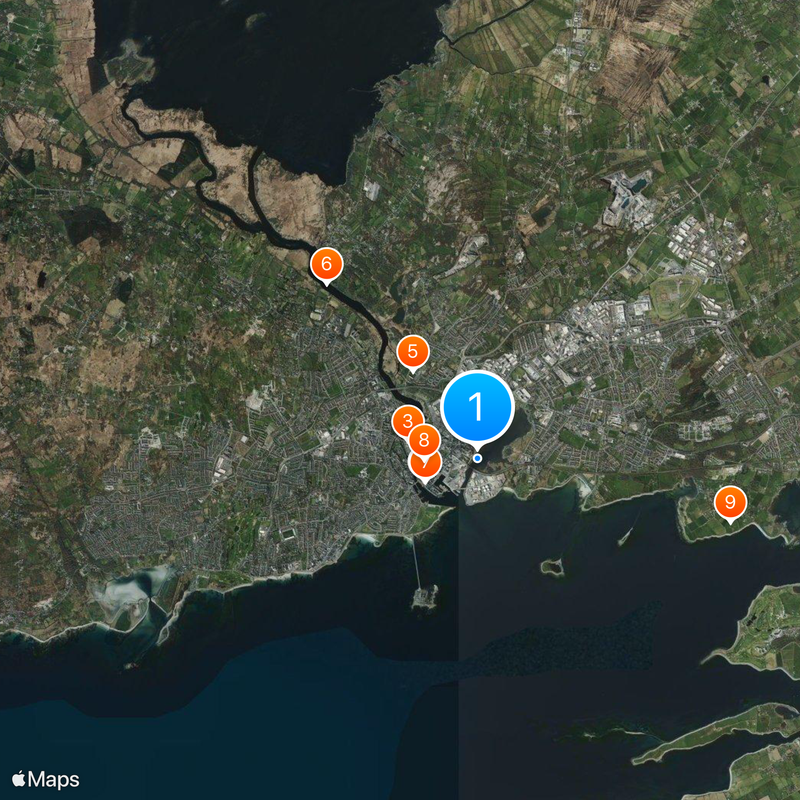
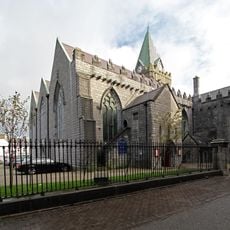
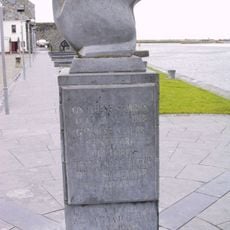
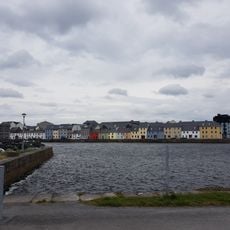
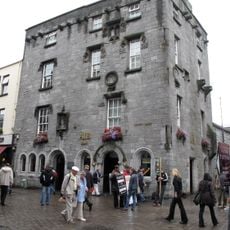
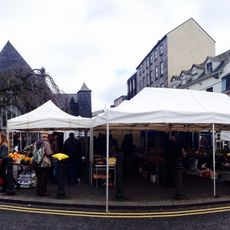
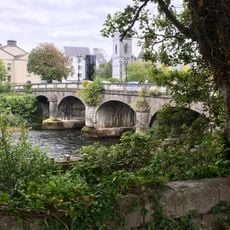
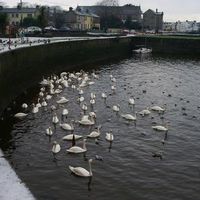
Galway sits on the River Corrib between Lough Corrib and Galway Bay, where medieval lanes meet a modern harbor district. The city center connects narrow passages with open squares, lined with shops, cafes and stone bridges.
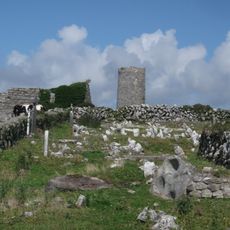
The settlement grew from a fortress built in 1124 by the King of Connacht and later developed into a trading port under merchant families. In the Middle Ages, the Merchant Tribes gained control over trade and shaped urban development for centuries.
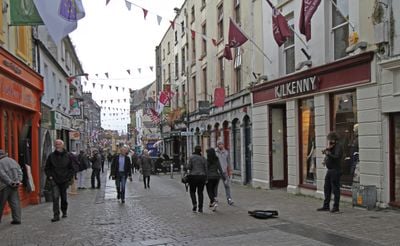
Street musicians, artists and theater groups shape daily life and perform at numerous festivals, including renowned arts and film events. The pub tradition remains alive, with sessions of traditional music that arise spontaneously and draw locals and visitors alike.
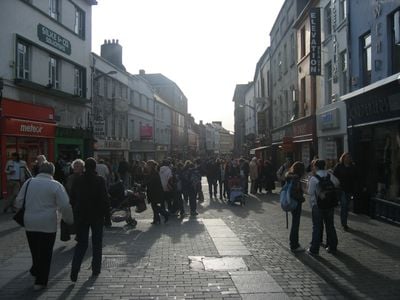
The center offers numerous accommodations within walking distance of shopping streets, restaurants and entertainment along Shop Street. Many attractions lie close together, so you can explore the main areas easily on foot.
The former fishing village of Claddagh preserved its own customs and elected its own leader, contributing to the creation of the famous Claddagh ring design. Today, only a few visible traces remain of this independent community that once maintained its own identity within the city.
The community of curious travelers
AroundUs brings together thousands of curated places, local tips, and hidden gems, enriched daily by 60,000 contributors worldwide.