Duiske Abbey, Cistercian abbey and national monument in Graiguenamanagh, Ireland
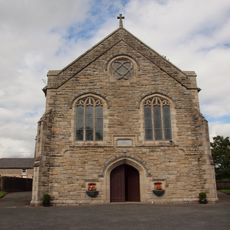
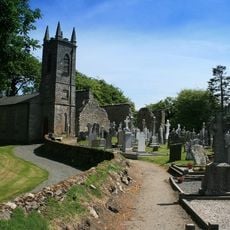
Duiske Abbey is a Cistercian monastery in Graiguenamanagh that blends English Gothic design with Romanesque features. The building displays stone arches, medieval decorative elements, and a Romanesque porch on the southern side.
Duiske Abbey was founded in 1204 by William Marshal, earl of Pembroke, and colonised by monks from Stanley Abbey in Wiltshire; the cemetery was consecrated that year, though the monks may have arrived only in 1207. By 1228 the community numbered thirty-six monks and fifty lay-brothers, and its abbot sat as a peer in parliament. Suppressed under Henry VIII in 1536, the abbey passed to James Butler of Duiske.
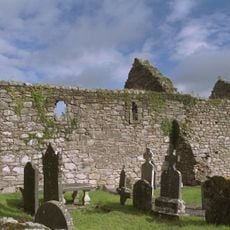
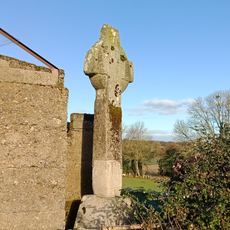
The graveyard south of the choir holds two small granite high crosses moved here from elsewhere: the Ballyogan cross, carved with King David, the Sacrifice of Isaac, Adam and Eve and the Crucifixion on its east face and spiral patterns on the west, and the shorter Aghailta cross with a Crucifixion scene and knotwork. An old cross-marked gravestone stands nearby.
The abbey works as an active parish church alongside its role as a protected monument, so visitors may encounter worship services during their visit. Plan accordingly if you wish to explore quietly without interruption.
The present church floor lies more than two metres above the medieval level; a stair lets visitors descend to see the decorated 13th-century portal of the former south entrance. The yellow limestone was shipped across the Irish Sea from quarries at Dundry, near Bristol.
The community of curious travelers
AroundUs brings together thousands of curated places, local tips, and hidden gems, enriched daily by 92,773 contributors worldwide.