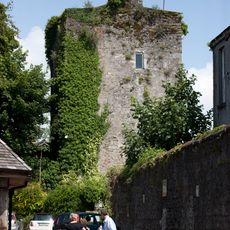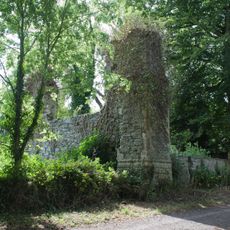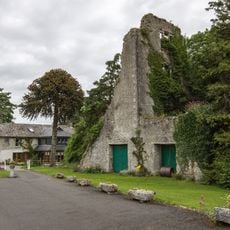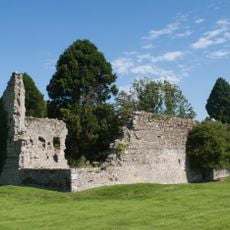
Kildare Cathedral, Anglican cathedral in Kildare, Ireland
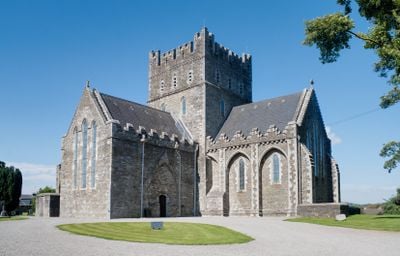
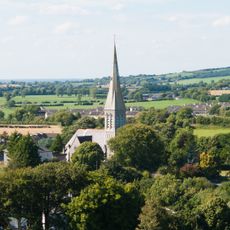
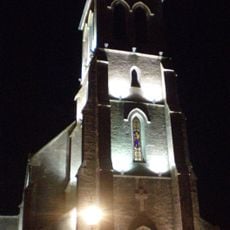
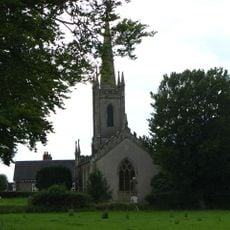
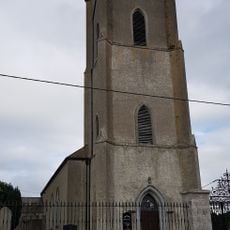
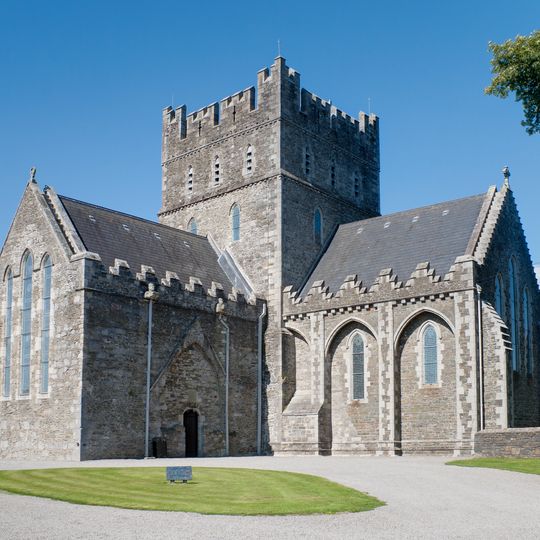
Kildare Cathedral is a restored Norman cruciform building without aisles, in early Gothic style, with a massive square central tower. All windows are lancet, single or double, but triple in the four gables. Arches span between buttress to buttress in advance of the side walls, and the stepped Irish parapets probably date to about 1395.
Saint Brigid is said to have arrived in Kildare around 480 and founded an abbey; after her death in 523 a shrine was erected in a larger church. Between 835 and 998 the site was devastated about 16 times, and when Ralph of Bristol became bishop in 1223 it lay virtually in ruins. He rebuilt it as a Norman cathedral from 1223, and George Edmund Street restored it between 1875 and 1896.
The name comes from Saint Brigid, said to have arrived here with her nuns around 480. For centuries the abbess ruled a double community of women and men, with the bishop subordinate to her in jurisdiction. A perpetual flame was kept at the site from pre-Christian times, possibly until the time of Henry VIII.
The cathedral stands just off the town centre, with the 32-metre round tower in its grounds; the tower can be climbed at certain times, so check locally before going up. The building is cruciform with a massive square central tower, and the interior is plain, so allow time to look at the lancet windows and the triple lancets in the four gables.
The round tower in the grounds is 32 metres (105 ft) high, one of five in County Kildare, and can be climbed at certain times. The cathedral's Sheelagh-na-gig, a nude carving, is an unusual find in a cathedral. The 1898 organ was built by Conacher.
The community of curious travelers
AroundUs brings together thousands of curated places, local tips, and hidden gems, enriched daily by 92,633 contributors worldwide.