Jerusalem Botanical Gardens, Botanical garden in Givat Ram district, Jerusalem, Israel
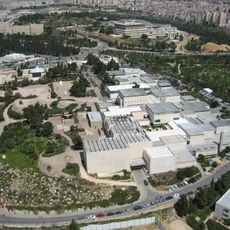
The Jerusalem Botanical Gardens is Israel's largest botanical garden, covering 30 acres in Nayot on the southeastern edge of the Hebrew University's Givat Ram campus. Its living collection of over 6,400 species and varieties is grouped into seven phytogeographic sections: Australia, South Africa, Europe, North America, Southwest Asia, Central Asia and the Mediterranean. A tropical conservatory, opened in 1986, stands among the outdoor plantings.
The gardens were founded on Mount Scopus in 1931 and relocated to their current location near the Hebrew University's Givat Ram campus in 1954 due to access difficulties at the original site. The move allowed for expansion and made the place easier for visitors to reach.
The 500-meter Bible Path showcases 70 plant species mentioned in biblical texts, connecting visitors with the agricultural heritage of the region. This collection reveals which plants have grown here for millennia and how they shaped daily life and traditions.
The garden lies on the southeastern edge of the Givat Ram campus in Nayot, western Jerusalem. Enter through the Hank Greenspan Entrance Plaza, which leads to the Dvorsky Visitors' Center and a restaurant, all built in 1990. The 30-acre grounds are arranged in phytogeographic sections, so allow time to walk between them.
The Japanese section holds over 150 bonsai trees, described in the sources as the largest concentrated bonsai collection in the world. A pagoda designed in Japan arrived as modular pieces and was assembled on-site as a focal point for the Japanese plant collection. Birdwatchers have recorded 46 bird species visiting the grounds through the year.
The community of curious travelers
AroundUs brings together thousands of curated places, local tips, and hidden gems, enriched daily by 92,633 contributors worldwide.