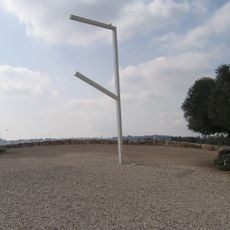
National Campus for the Archaeology of Israel, Archaeological research center and museum in Jerusalem, Israel
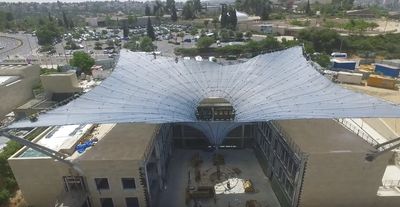
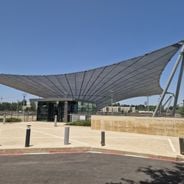
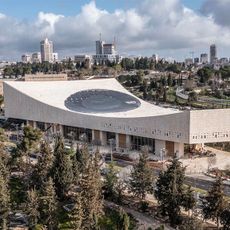
The National Campus for the Archaeology of Israel occupies a nine-floor building spanning approximately thirty-five thousand square meters, designed by architect Moshe Safdie with distinctive tensile canopy structures that reference traditional excavation site shading tents.
The cornerstone was laid on 15 October 2006, but the state allocated only 60 million shekels, so construction depended on donations. The district planning committee approved the plan in November 2007, excavation of the site ended in early 2011, and the Antiquities Authority issued the building tender in January 2012. The building was inaugurated in October 2016, though only the eastern wing was occupied and work continued as funds were raised.
The campus is named after Jay and Jeanie Schottenstein, and its roof plaza displays Byzantine-era synagogue and church mosaics, among them a 6th-century floor from Ein Gedi bearing a Judeo-Aramaic curse on anyone who reveals the town's secret, likely its balsam industry. A wing called "Rising from the Ashes" presents the Antiquities Authority's work identifying victims and objects of the October 7, 2023 massacre.
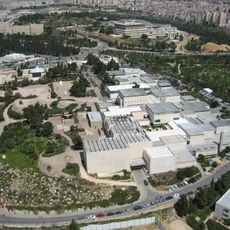
The rooftop plaza with its Byzantine mosaics is open to the public while interior work continues; the rest of the building is not yet open. The campus sits between the Israel Museum and the Bible Lands Museum, with the roof-level entrance at ground level and the lowest floor opening onto the street at the foot of the hill. The Visitor Experience center is expected to open in early 2027.
The roof plaza displays a 6th-century Byzantine mosaic floor from the ancient synagogue of Ein Gedi, bearing a curse in Judeo-Aramaic on anyone who neglects his family, provokes conflict, steals, slanders friends or reveals the town's secret, likely its balsam industry.
The community of curious travelers
AroundUs brings together thousands of curated places, local tips, and hidden gems, enriched daily by 92,635 contributors worldwide.