Museum Treasures in the Walls, Ethnographic museum in the Old City walls, Acre, Israel
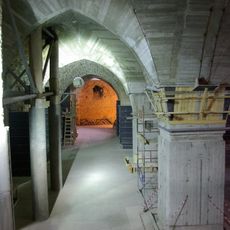
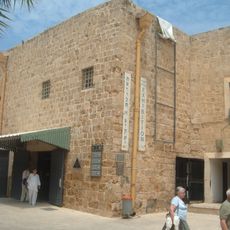
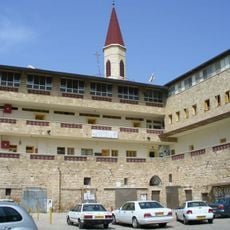
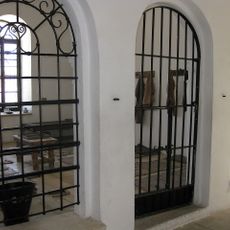
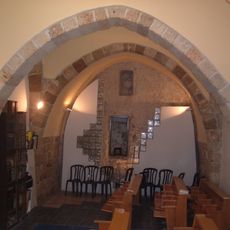
This museum occupies curved spaces within the northeastern walls of Old Acre and displays collections of traditional crafts and daily life objects from the Galilee region. The exhibition spreads through several chambers built into the historic fortifications, creating a maze-like path through the displays.
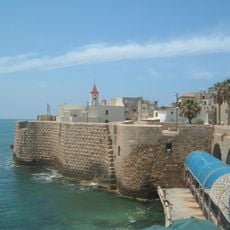
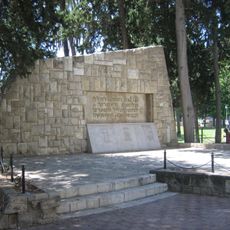
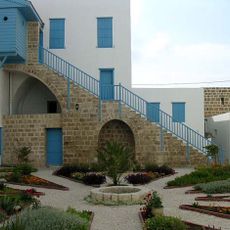
The structure is the Burj al-Qumandar, a vaulted chamber sunk into the northeastern outer wall of Old Acre. The wall was begun under Ahmad al-Jazzar, governor of northern Palestine from 1775 to 1804, and completed by his successor Sulayman Pasha in 1805–1818. Soldiers guarding the eight cannon embrasures of the rounded courtyard lived here with their ammunition. The Treasures in the Walls Museum opened in the building in 2007.
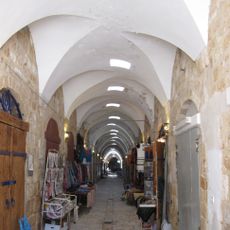
The museum displays reconstructed workshops and market stalls showing leather work, carpentry, metalwork, and hat making as they existed in the 19th and 20th centuries. Visitors can see how craftspeople organized their spaces and what tools and materials they used every day.
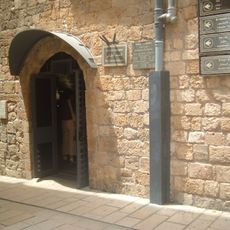
The museum sits in Burj al-Commander, the corner tower at the northeastern end of Old Acre's outer wall, reached on foot through the old town's lanes. Inside, the rooms are cut into the thickness of the wall, and a roughly 80-metre tunnel about 10 metres high runs beneath the building, linking the inner and outer moats. Floors and passages are uneven, so sturdy shoes help.
The museum opened in 2007 to house the collections of Dan Hortman and Michael Lurie, with the exhibit design by Michal Mizrahi. Among the displays are a Damascus salon inlaid with mother-of-pearl, a samovar inscribed to Ahmad al-Jazzar, and letters and matches from the "Nur" factory that operated in Acre during the Mandate period.
The community of curious travelers
AroundUs brings together thousands of curated places, local tips, and hidden gems, enriched daily by 94,226 contributors worldwide.