Tel Akko, Archaeological tell in Acre, Israel
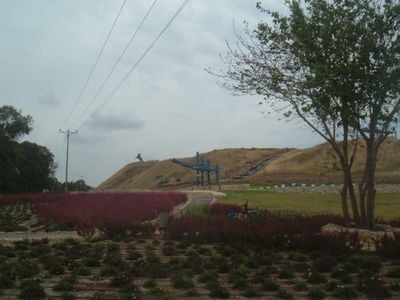
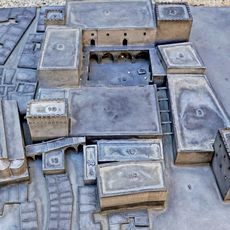
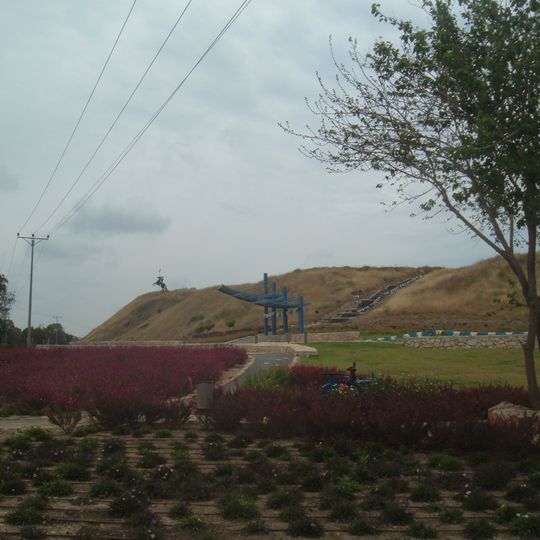
Tel Akko is a roughly 30-meter-high mound covering about 200 dunams, measuring some 600 by 350 meters, east of Acre and about 700 meters from the sea. Its slopes hold remains from the Middle Bronze Age to the early Hellenistic period, including a two-story mudbrick fortress and a west-facing city gate known as the Sea Gate.
Tel Akko was first settled in the Early Bronze Age (3300–2200 BCE), and a walled city with a cyclopean wall and a two-storey brick citadel arose in the Middle Bronze Age. In the Late Bronze Age it peaked as a Canaanite port trading with Cyprus and the Aegean, and it is named in the Egyptian Execration Texts and thirteen times in the Amarna letters. The city was destroyed by fire and later rebuilt under Phoenician and Persian rule, when its centre moved west toward the coast and the site of modern Acre.
Tel Akko displays the traces of Canaanites, Phoenicians, Assyrians, Persians, and Greeks through remains and objects you can observe on the ground. Each civilization left its own building styles and crafted items that tell their story to visitors today.
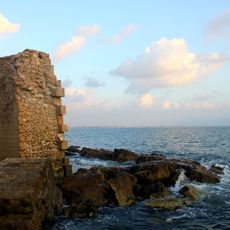
Tel Akko lies about 700 m east of the beach and 750 m north of the present course of Nahal Na'aman, east of Acre and close to Route 85. The southern part of the mound was worn down by earth quarrying for construction in recent centuries, so the terrain is uneven. Bring walking shoes and sun protection; the excavated area is open and has little shade.
The tell stands about 700 metres east of the beach and 750 metres north of the present course of Nahal Na'aman; in the Bronze Age the harbour lay at the stream's mouth, closer to the mound. Its southern part was destroyed in recent centuries, mainly by earth quarrying for construction.
The community of curious travelers
AroundUs brings together thousands of curated places, local tips, and hidden gems, enriched daily by 92,641 contributors worldwide.