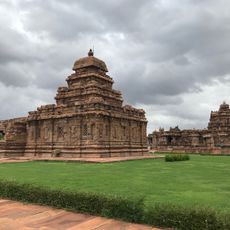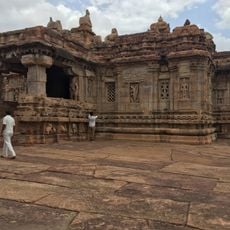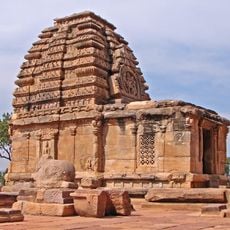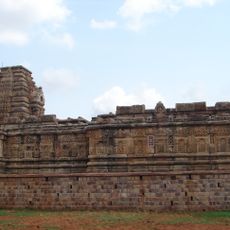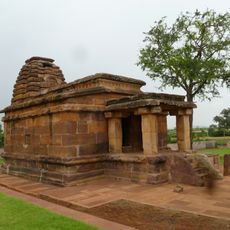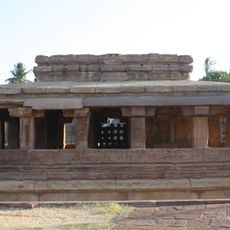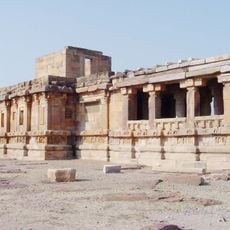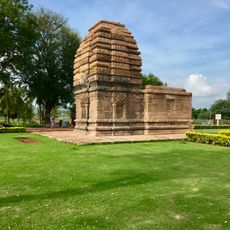
Pattadakal Group of Monuments, Hindu temple complex in Karnataka, India
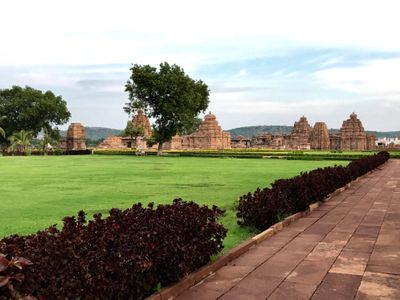
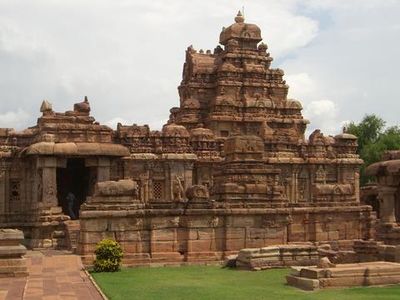
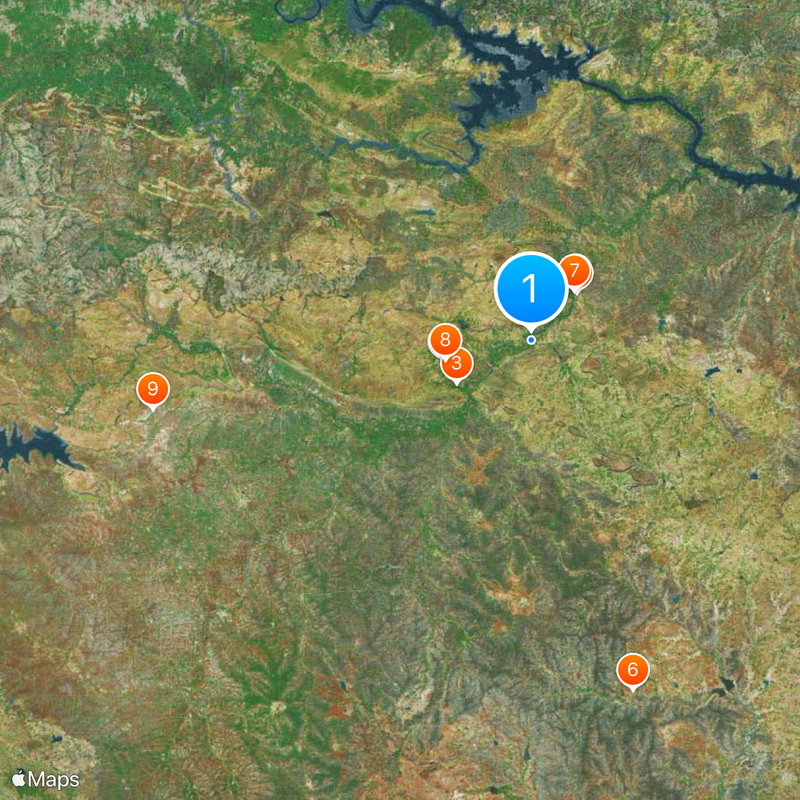
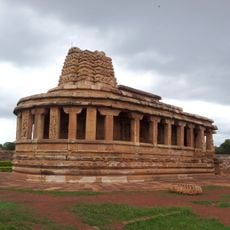
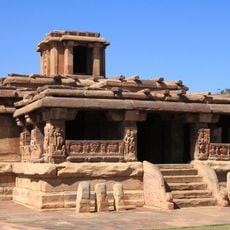
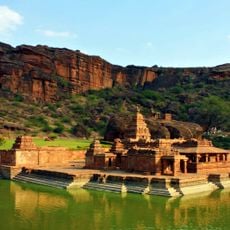
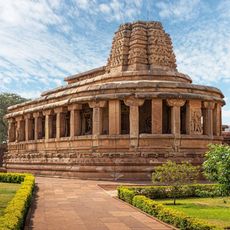
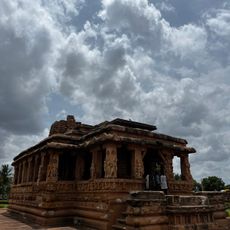
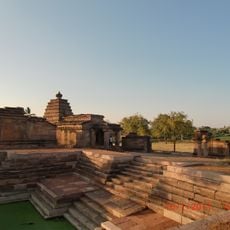
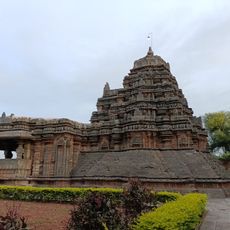
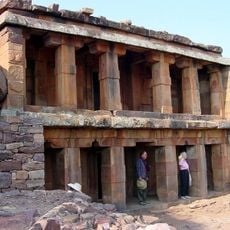
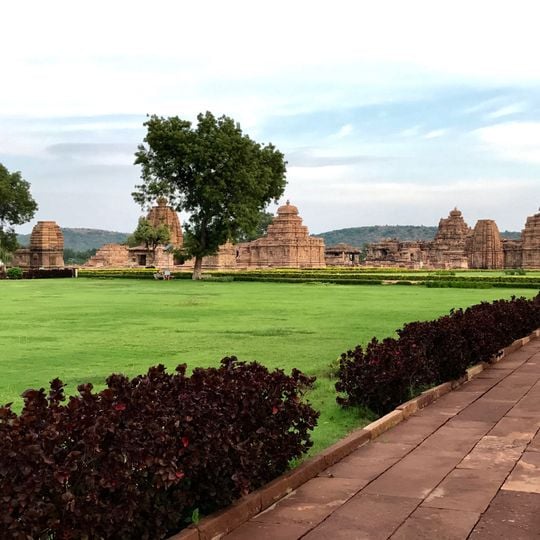
Pattadakal is an archaeological site along the Malaprabha River in Karnataka, containing ten large sandstone temples and several smaller shrines. The structures combine northern Nagara and southern Dravidian design elements across an open compound with pillared halls, towers and walled courtyards.
Chalukyan rulers built the temples between the seventh and eighth centuries as a ceremonial location for royal coronations. The complex brought together different regional building styles that were current across India at that time.
The carved stonework includes celestial dancers, deities and everyday life from eighth century India. Worshippers still enter the Virupaksha Temple for prayer and ritual, while the other structures remain as monuments open to visitors without active religious use.
The site opens daily at sunrise and closes by dusk. Guided tours are offered through the Archaeological Survey of India in English and Kannada, and visitors should wear comfortable shoes for uneven paths.
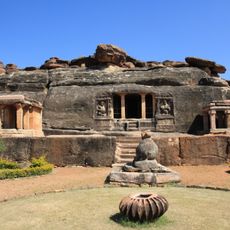
Nine temples follow Hindu tradition, while a tenth is Jain and stands slightly apart from the others. The Virupaksha structure served as a model for the later Kailasa Temple at Ellora, which was carved decades afterward.
The community of curious travelers
AroundUs brings together thousands of curated places, local tips, and hidden gems, enriched daily by 91,807 contributors worldwide.