India–Nepal border, International border between India and Nepal, Asia
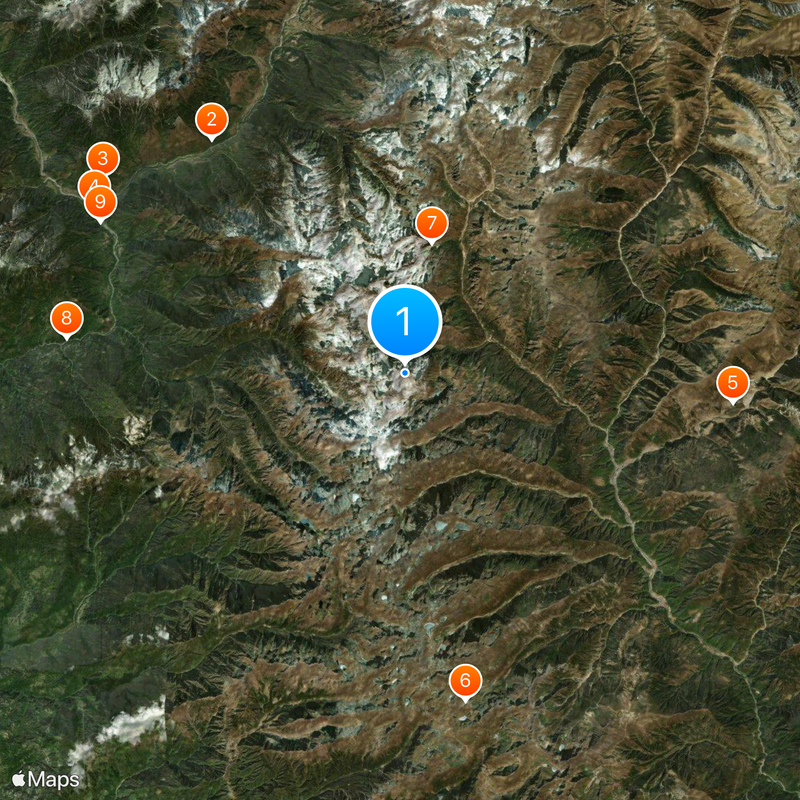
The India–Nepal border is an international land boundary in Asia that stretches over 1,700 kilometers, linking Himalayan mountains with the Indo-Gangetic plain. It runs through five Indian states and separates mountain regions from lowland areas, with dozens of official crossings allowing traffic between both countries.
The Treaty of Sugauli ended the Anglo-Nepalese War in 1816 and defined the course of this border, costing Nepal roughly one third of its territory at the time. The British later returned some areas to Nepal, but the main lines of the boundary have remained largely unchanged since then.
People in border towns speak the same languages on both sides and visit the same temples, which often stand exactly on the dividing line. Weddings and religious festivals bring together families separated by the border but who have never stopped seeing each other as neighbors.
Travelers from India and Nepal do not need passports or visas to cross the border, which makes daily movement for trade and family visits easier. Official crossings are spread along the entire length, though some remote sections are harder to reach and offer less infrastructure.
Some rivers regularly change their course and shift the actual dividing line, leading to ongoing discussions about the exact location of certain villages. The Kalapani region remains subject to negotiations after India built a road there that passes through contested territory.
The community of curious travelers
AroundUs brings together thousands of curated places, local tips, and hidden gems, enriched daily by 90,827 contributors worldwide.