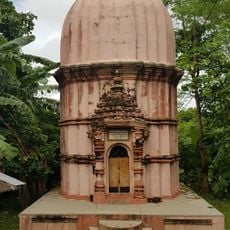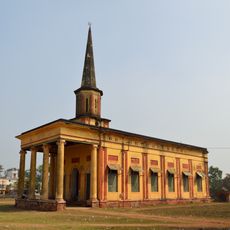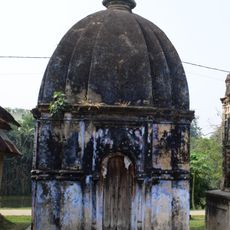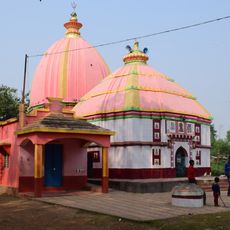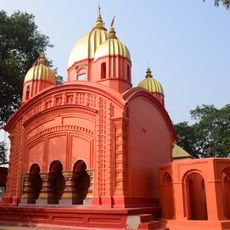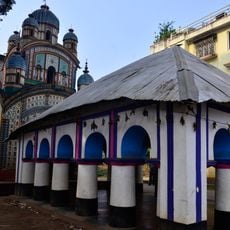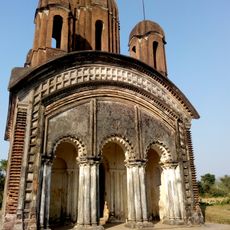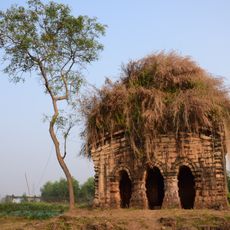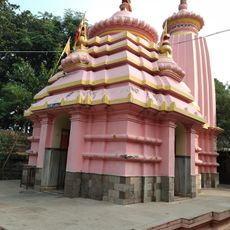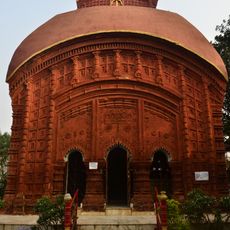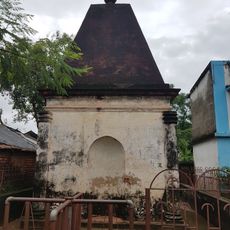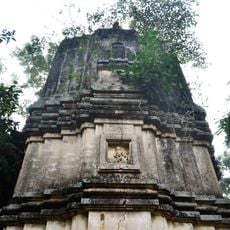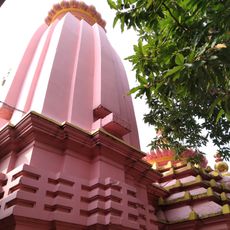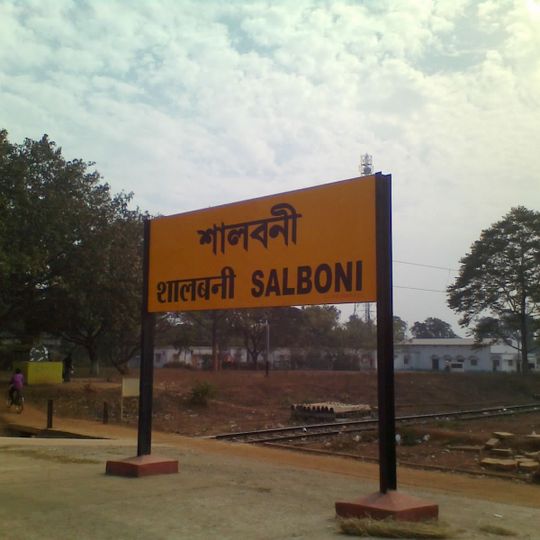
Salboni, village in India
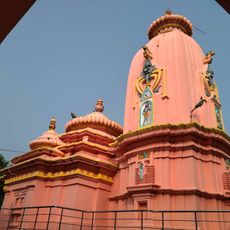
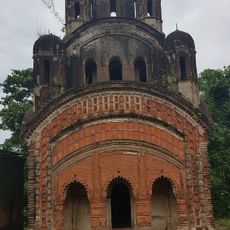
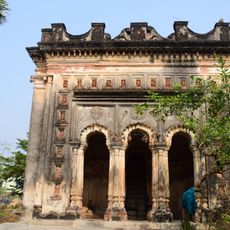
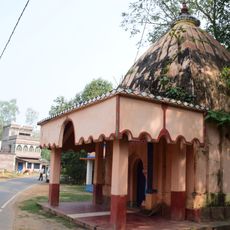
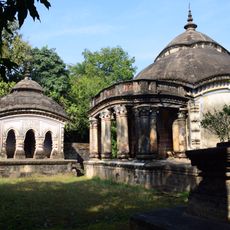
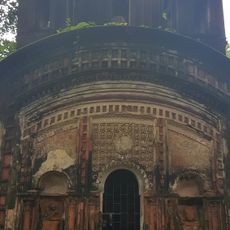
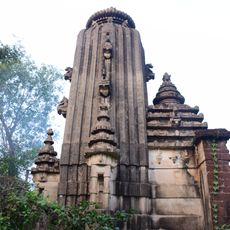
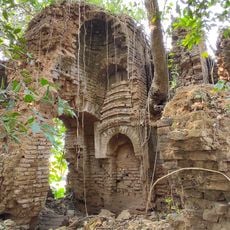
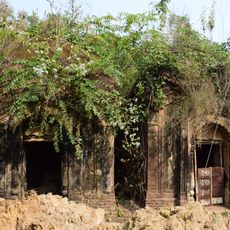
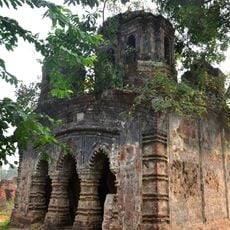
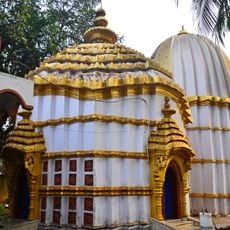
Salboni is a small village in West Bengal with flat fields, simple houses, and narrow roads that connect different parts of the settlement. The village has open spaces where people gather, small shops lining the main street, and trees that provide shade and shape daily routines.
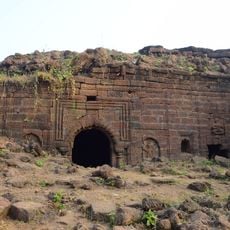
The village was shaped by Raja Horogobindo Banerjee, who founded several schools and created a learning center called Horogobindo Chatuspathi that became important for local scholars. During World War II, Salboni hosted a British military airfield, and traces of this period remain preserved in the surrounding area.
Salboni is home to Bengali and Santali speakers who celebrate festivals like Durga Puja and Diwali with music, dance, and shared meals that bring the whole community together. These celebrations mark the rhythm of village life and show how deeply traditions are woven into daily routines and neighborhood bonds.
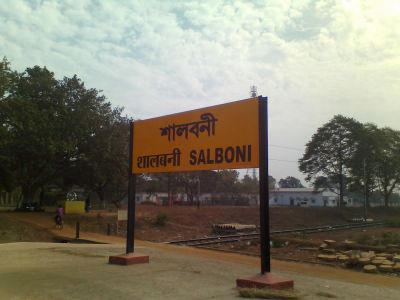
The village is connected by a railway station to larger nearby towns, and roads are in good condition for traveling. For medical care, there is a local hospital, but for serious treatment residents need to travel to larger cities where modern medical facilities are available.
Salboni is known for its connection to Indian currency printing presses that produce banknotes for the country, making the village economically important. These presses operate with large machines and represent a lesser-known feature that gives the area national significance.
The community of curious travelers
AroundUs brings together thousands of curated places, local tips, and hidden gems, enriched daily by 92,633 contributors worldwide.