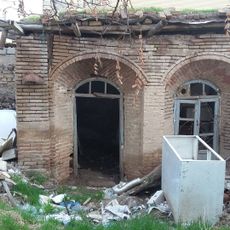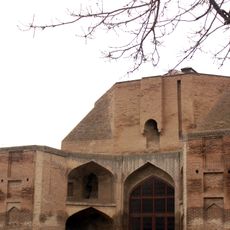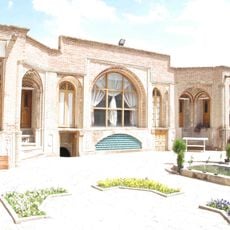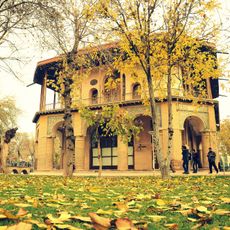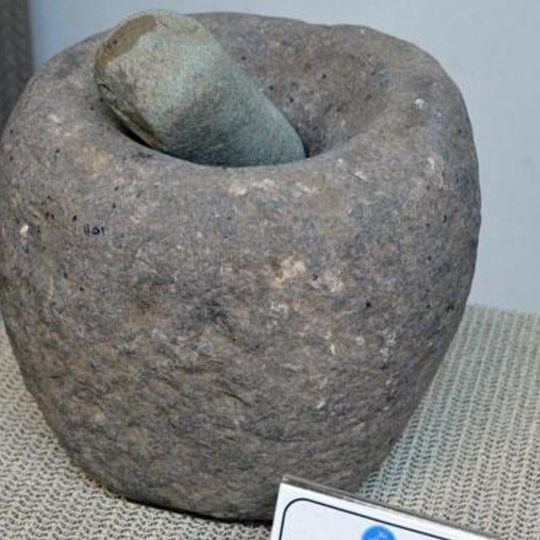
Teppe Zagheh, Archaeological site in Qazvin Province, Iran
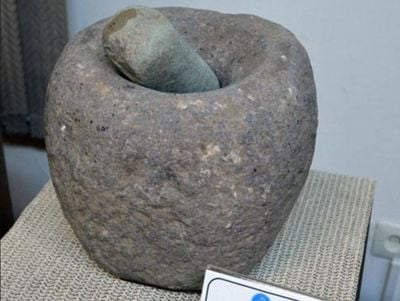
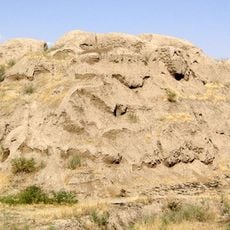
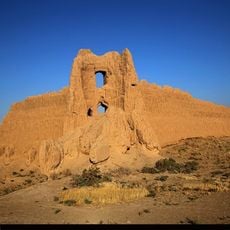
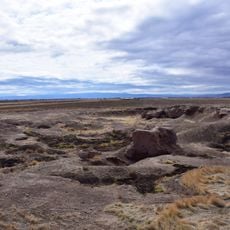
Teppe Zagheh is an archaeological site in Qazvin Province with multiple excavation layers revealing residential structures, graves, and administrative buildings from early settlements. The location contains an extensive collection of clay tokens, pottery fragments, and dwelling remains that document the region's early occupation patterns.
Excavations in the 1970s led by Tehran University uncovered evidence of human occupation between 5370 and 5070 BC. These findings demonstrate one of the region's earliest agricultural communities.
The site displays a painted building with interior decorations that researchers identified as a space for childbirth in ancient times. This discovery reveals how early communities designated specific areas for important life events.
Visitors should note that the excavation site sits in an open, exposed area requiring sturdy footwear for navigation. It is advisable to explore the location during cooler hours of the day, especially when visiting during warmer months.
Excavations revealed 23 burial sites containing both local and imported goods, along with clay figurines resembling those found at Mehrgarh. These discoveries show that the early community maintained trade connections across regions.
The community of curious travelers
AroundUs brings together thousands of curated places, local tips, and hidden gems, enriched daily by 60,000 contributors worldwide.