Surtsey, Volcanic island in Vestmannaeyjar, Iceland
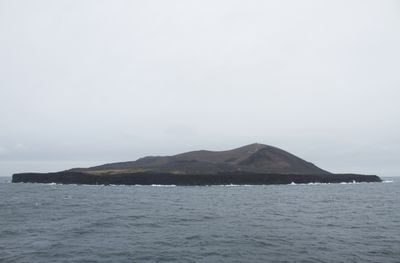
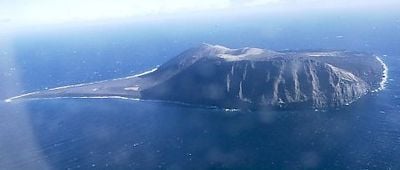
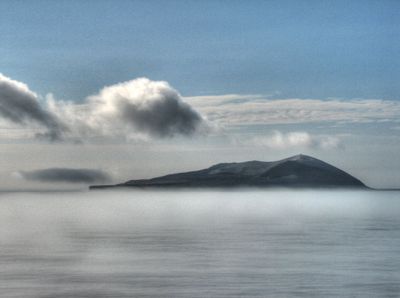
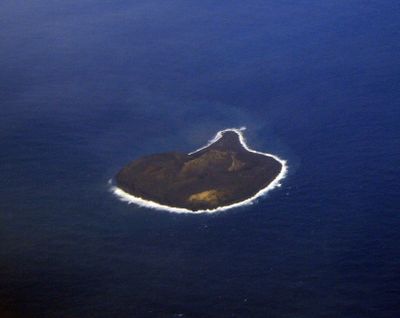
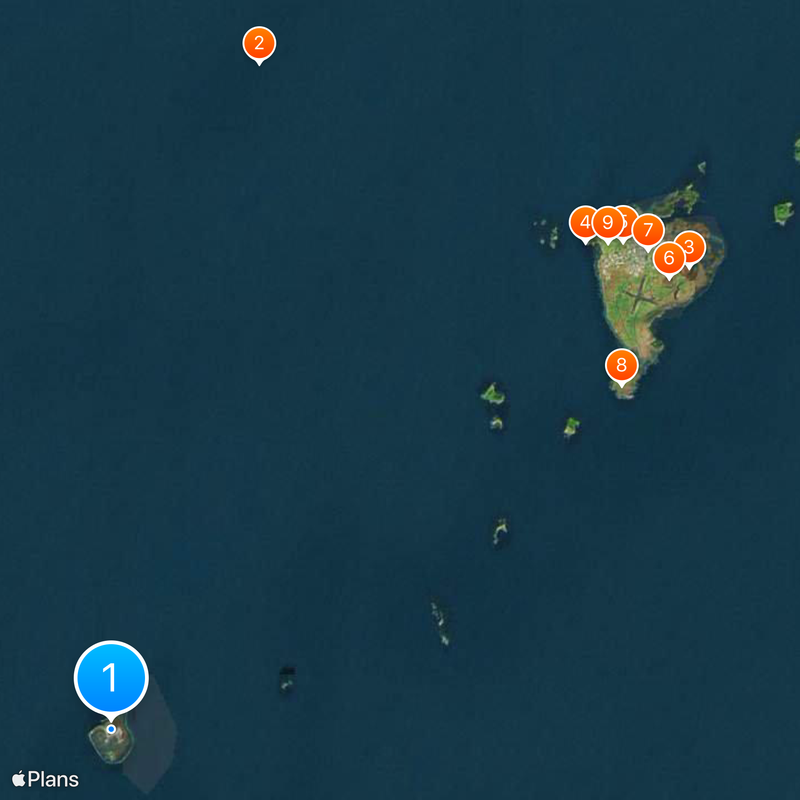
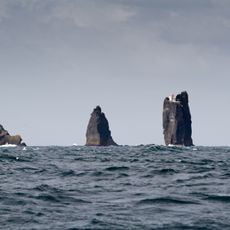
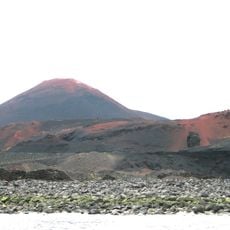
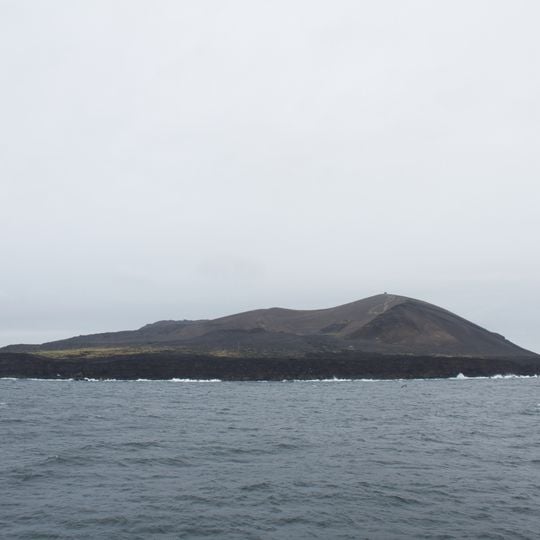
Surtsey rises roughly 500 feet (150 meters) above sea level and forms the southernmost point of the Vestmannaeyjar archipelago off Iceland's southern coast. The island covers about half a square mile (1.4 square kilometers) and consists of black volcanic rock constantly reshaped by wind and waves.
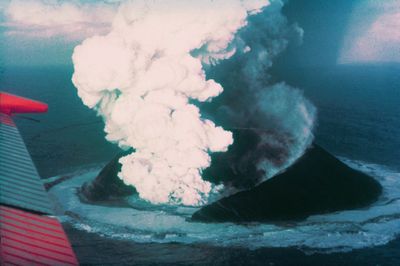
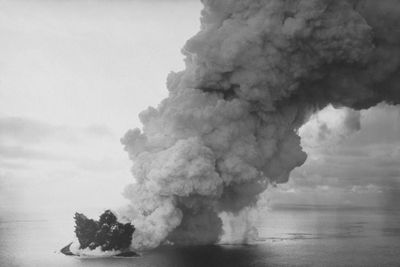
The island formed through underwater volcanic eruptions that began on November 14, 1963, and brought ash and lava to the ocean surface. The eruptions continued until June 5, 1967, creating new land that now sits under strict protection.
Scientists named the island after Surtr, a fire giant from Norse mythology who will set the world aflame during Ragnarök. This choice reflects how volcanic forces hold meaning in Icelandic imagination.
Access to the island is restricted to scientists and researchers to preserve natural conditions. Travelers can view the island only from a distance by boat or aircraft.
The island serves as an open-air laboratory where researchers document the natural arrival of plants, birds, and seals on fresh volcanic rock. Every new species is recorded, allowing scientists to track the sequence of life on bare stone.
The community of curious travelers
AroundUs brings together thousands of curated places, local tips, and hidden gems, enriched daily by 90,738 contributors worldwide.