Rutigliano, Italian commune
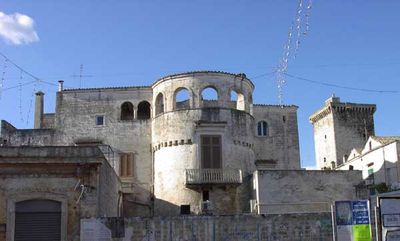
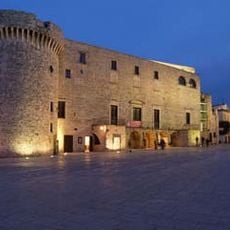
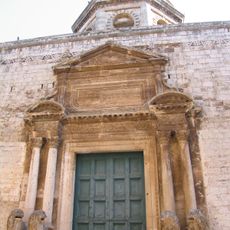
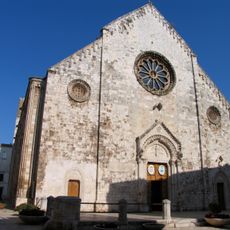
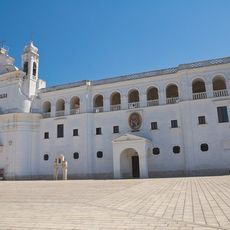
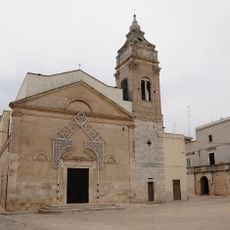
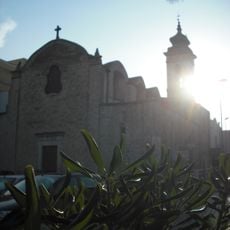
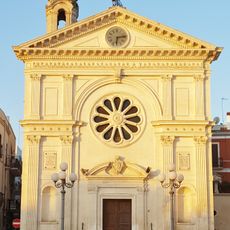
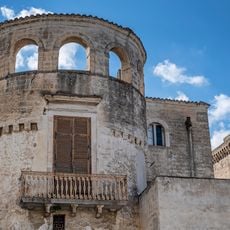
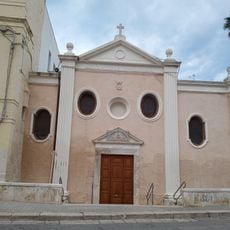
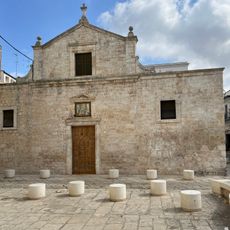
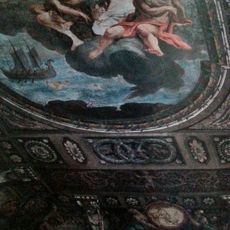
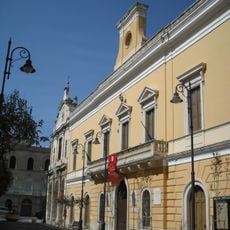
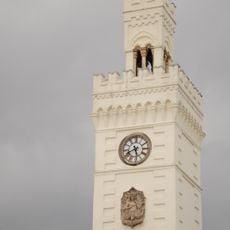
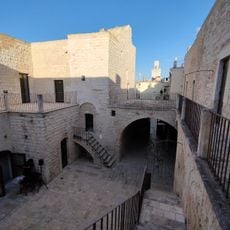
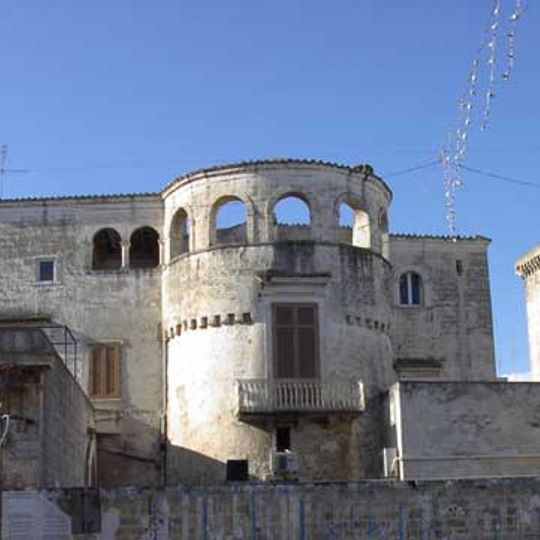
Rutigliano is a commune situated on the initial hills of the Murgia plateau near Bari and is recognized regionally as a city of art. Its historic center developed around 1000 and features a Norman tower and the church of Santa Maria della Colonna and San Nicola, notable for its artistic holdings.
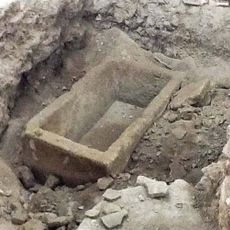
Archaeological finds demonstrate human presence from the Neolithic period through the Middle Ages, with the modern settlement established around 1000. The Norman tower and church from the early 12th century have shaped the town's structure since then and mark continuity of habitation.
The name Rutigliano reflects the town's position in the region and its historical settlement patterns. Terracotta whistles are the most visible expression of local culture today, displayed by artisans during festivals and celebrated as objects that connect the community to its craft heritage.
The town is easily accessible by car from Bari and situated on relatively open terrain with good navigability. The narrow streets of the historic center are best explored on foot, while the agricultural lands surrounding the area allow for walks and exploration of the broader region.
The tradition of terracotta whistles originated with a shepherd who shaped clay because he could not whistle with his fingers, a practice that local artisans developed and refined over centuries. Today the forms range from classic designs to detailed representations of animals and public figures.
The community of curious travelers
AroundUs brings together thousands of curated places, local tips, and hidden gems, enriched daily by 60,000 contributors worldwide.