Buccino, Italian comune
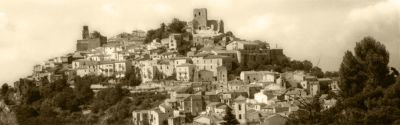
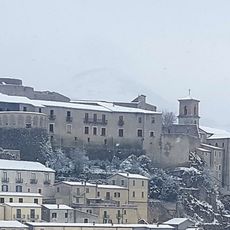
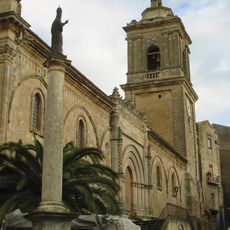
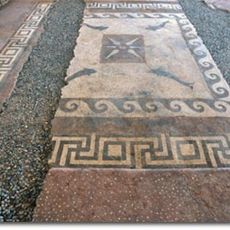
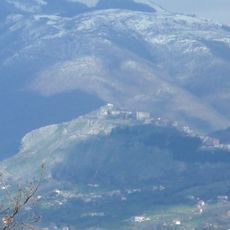
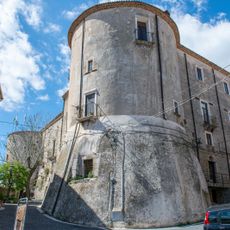
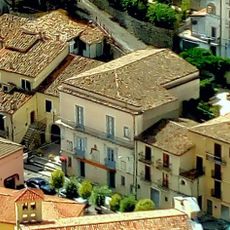
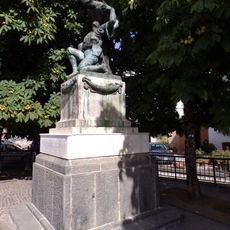
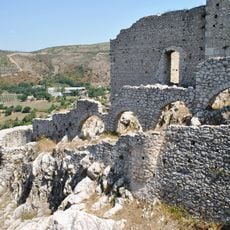
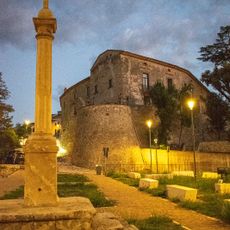
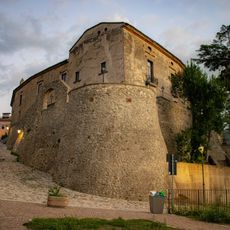
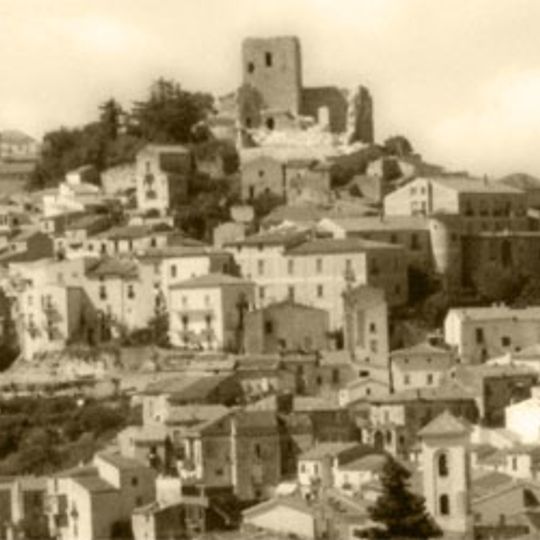
Buccino is a small commune in the province of Salerno built on a hillside between two rivers with views across the valley below. The narrow cobblestone streets run between old stone buildings, while Roman baths, a temple called the Cesareum, and ancient Lucanian walls can be seen freely throughout the town.
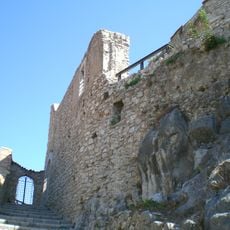
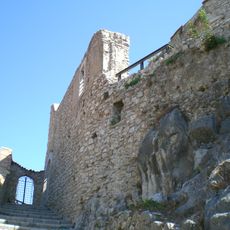
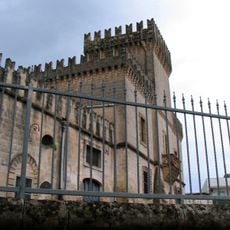
Settlement of the area dates back to around 3000 BC when early burials from the Eneolithic period were found, followed by a village named Tufariello around 1200 BC. The Romans later made it an important municipality with paved streets, temples and a forum, while in the Middle Ages the Normans reinforced it with walls and towers.
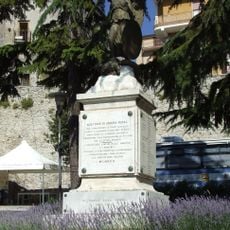
Residents of Buccino maintain old traditions through regular gatherings in small squares and handmade craft markets where local products are sold. These everyday habits show how the community keeps its connection to history and past generations alive.
The town is small enough to explore entirely on foot and admire the ancient architecture as you walk. Visitors can wander through the freely accessible remains of Roman structures while enjoying the calm pace that lets you move slowly and discover historical details.
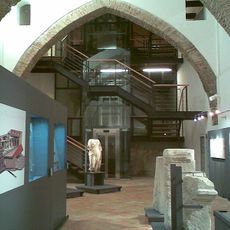
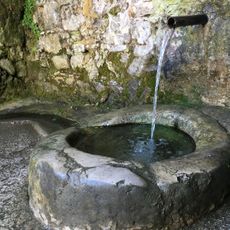
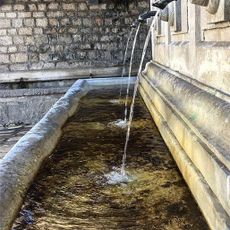
A special discovery is a child's grave from the late 9th or early 8th century BC containing a small cremation urn that shows children were buried differently from adults. Nearby, archaeologists found remains of an early sanctuary to water gods with masks and altars, suggesting ancient rituals related to water and nature spirits.
The community of curious travelers
AroundUs brings together thousands of curated places, local tips, and hidden gems, enriched daily by 91,086 contributors worldwide.