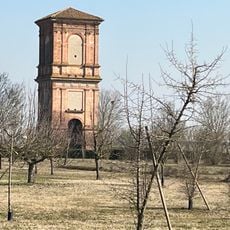
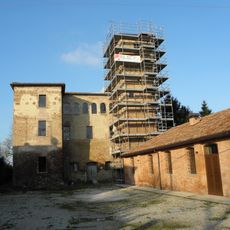
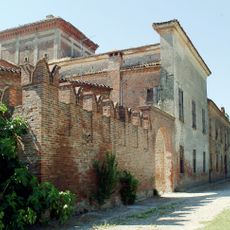
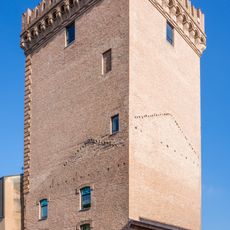
Tresigallo, settlement in Tresignana, Italy
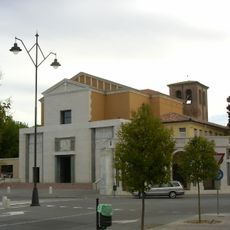
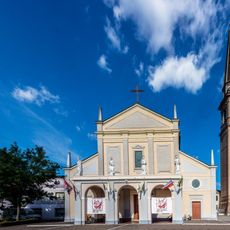
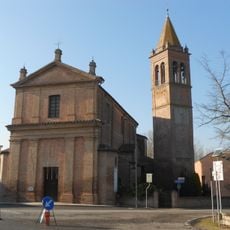
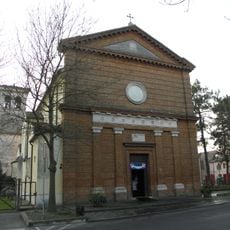
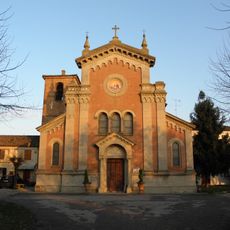
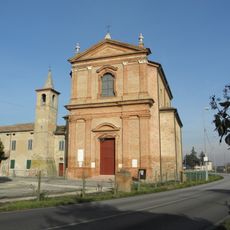
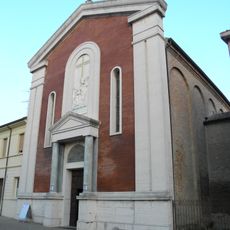
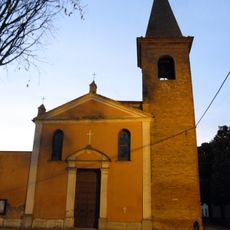
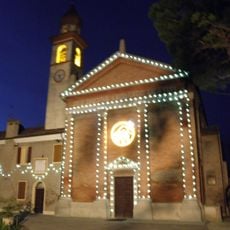
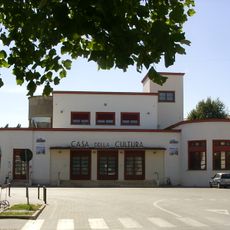
Tresigallo is a small village in the Emilia-Romagna region, in Ferrara province, that was once its own municipality before merging with Formignana to form Tresignana in 2019. The village is defined by a geometric street layout visible since the 1920s, with a horizontal axis connecting a church to a youth center and a vertical axis linking the town hall to the cemetery.
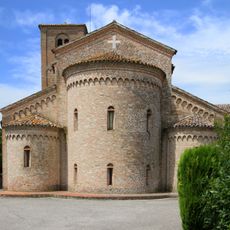
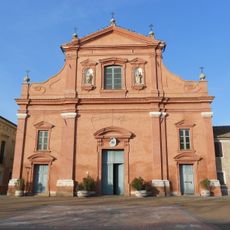
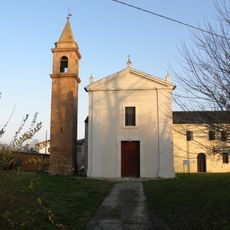
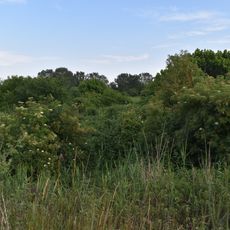
Tresigallo has medieval roots documented in records from 1287, with a church called Santa Apollinare dating back to 1044 and connected to the Ravenna Exarchate. From the 1500s onward, powerful families like the Gualenghi introduced changes including the construction of Palazzo Pio between 1500 and 1533, while drainage projects gradually transformed the surrounding marshes into farmland.
The name Tresigallo likely comes from words meaning "beyond the embankment", referring to the dikes that once separated the town from surrounding marshes. The layout with straight streets and organized spaces shows how the town was designed to shape how people lived and interacted with each other.
The village is flat and easy to walk through, with clear streets that are straightforward to navigate. Visitors should expect to interact with locals who know the area well, as many residents are familiar with and willing to share the town's history.
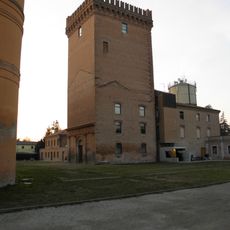
Tresigallo was deliberately reshaped between 1927 and 1934 by Edmondo Rossoni, a local figure who later became active in the fascist government, as an ideal city. This project made it a rare example of a fully planned town where streets and buildings were arranged according to geometric principles to embody a vision of society.
The community of curious travelers
AroundUs brings together thousands of curated places, local tips, and hidden gems, enriched daily by 91,356 contributors worldwide.