Longiano, Italian comune
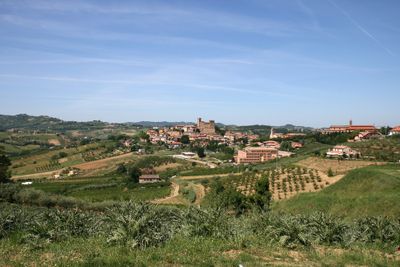
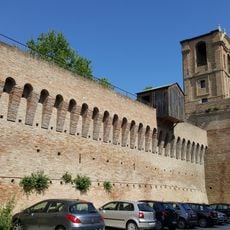
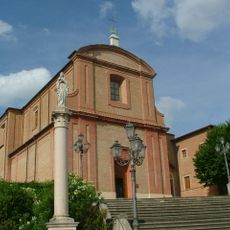
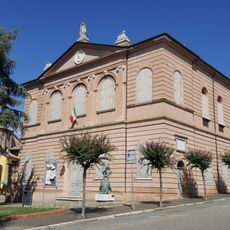
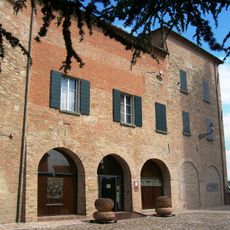
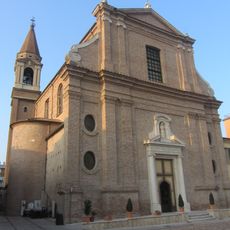
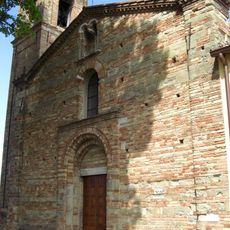
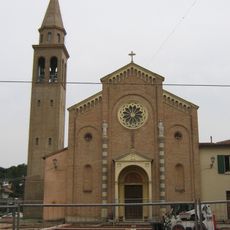
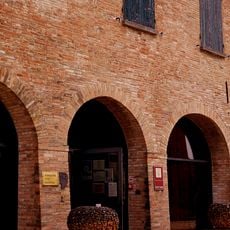
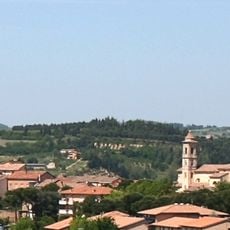
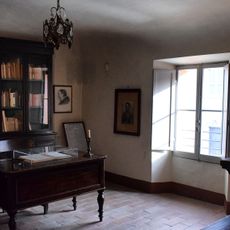
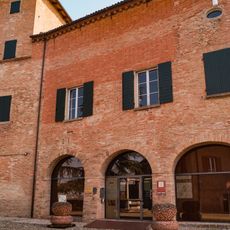
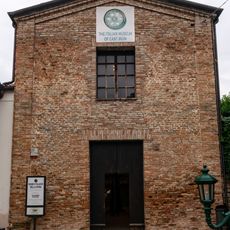
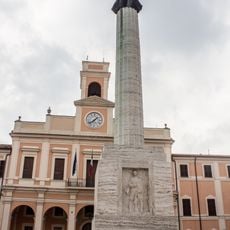
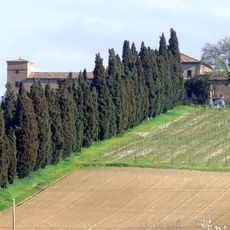
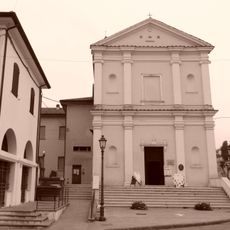
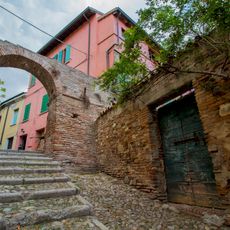
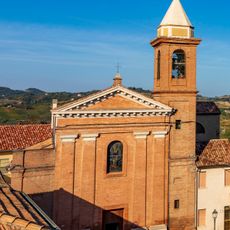
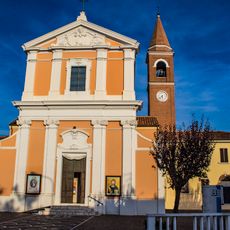
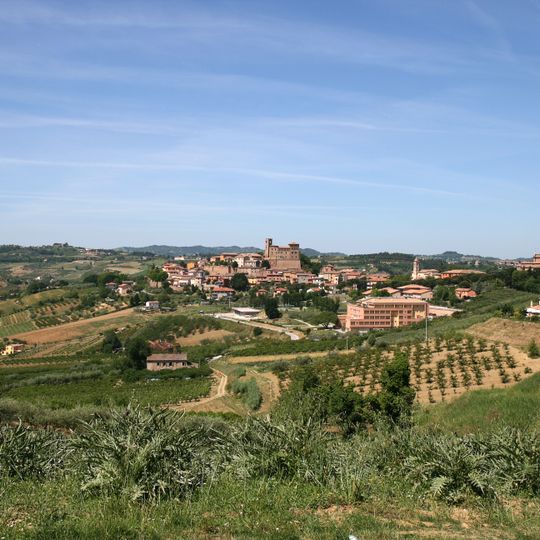
Longiano is a small town in the Province of Forlì-Cesena situated on gentle hills surrounded by green fields, vineyards, and olive groves. Its medieval center retains a harmonious layout with two sets of city walls still visible, while the Malatesta castle houses the Tito Balestra Foundation displaying around five thousand works by twentieth-century artists like Morandi and Guttuso.
Longiano's origins trace to the Longobard period and it later fell under the rule of the Malatesta family and the Papal States. In 1944, the town played a key role along the Linea Gotica during World War Two, with an underground shelter beneath the castle that provided refuge for civilians during attacks.
The name Longiano traces back to the Longobard period and reflects the town's early roots. During festivals and special events, the streets come alive with displays of local crafts and folk traditions, and visitors can watch artisans at work in their studios throughout the town.
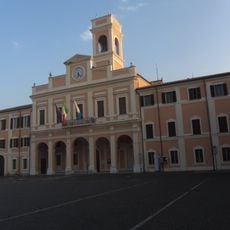
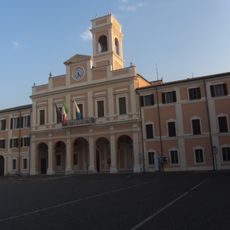
The town is small and easy to explore on foot with friendly residents and marked tourist information located near the main square. Its hillside location with quiet, paved streets makes for pleasant walks and cycling, though visitors should be prepared for uneven terrain and slopes in places.
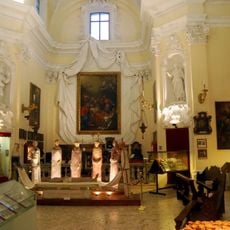
The Galleria delle Maschere displays thirty-one bronze statues depicting masks from the Italian commedia dell'Arte tradition, a rare collection created by a local artist in the nineteen-nineties. These lively figures represent characters that have entertained audiences for centuries.
The community of curious travelers
AroundUs brings together thousands of curated places, local tips, and hidden gems, enriched daily by 91,208 contributors worldwide.