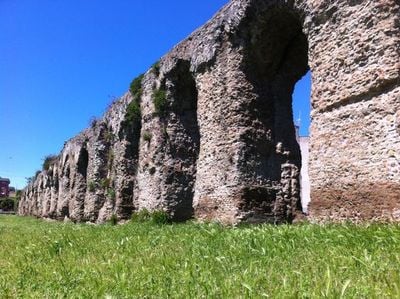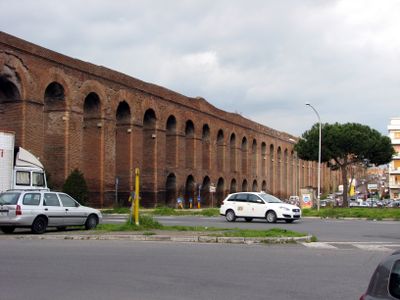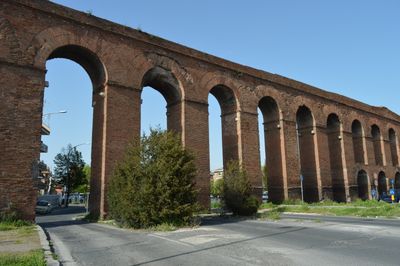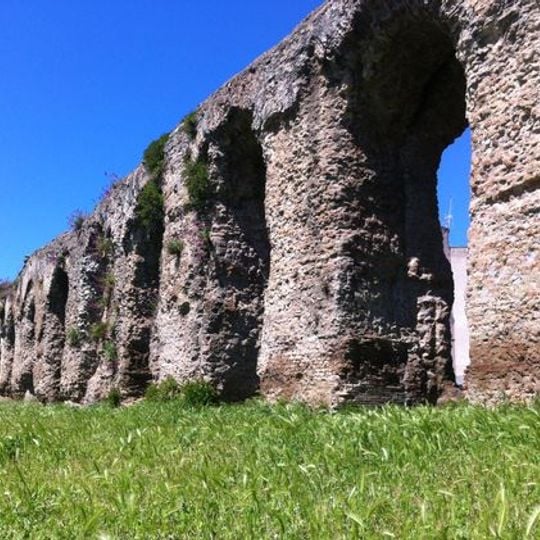
Aqua Alexandrina, Ancient Roman aqueduct ruins in Rome, Italy
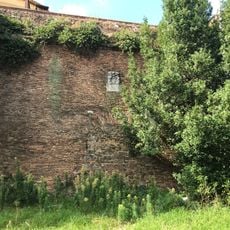
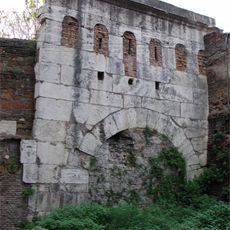
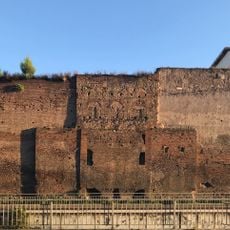
Aqua Alexandrina is an ancient Roman aqueduct that stretched from natural springs to the city, moving water through buried channels and raised stone arches across the landscape. Remaining sections still stand at different locations, showing how Romans engineered water to flow over long distances.
Emperor Alexander Severus ordered the construction of this aqueduct around 226 to supply water to the city as Rome expanded beyond earlier boundaries. It was the final major water system built by Romans before the empire's resources shifted to other priorities.
The aqueduct represented Rome's mastery over nature and its ability to sustain a growing city through engineering. Water delivery shaped daily life, from public baths to fountains throughout the streets where people gathered.
The remains of this aqueduct are scattered across multiple sites around Rome, including Tor Bella Monaca and areas near the ring road. Wear sturdy shoes and bring water to drink when visiting these outdoor locations, especially during warmer periods.
The mortar and stone used in this aqueduct contain minerals that researchers study today to understand how Romans made their structures last for centuries. This material analysis reveals ancient building techniques that still inform modern engineering practices.
The community of curious travelers
AroundUs brings together thousands of curated places, local tips, and hidden gems, enriched daily by 60,000 contributors worldwide.