Verona Arena, Roman amphitheater in Piazza Bra, Verona, Italy
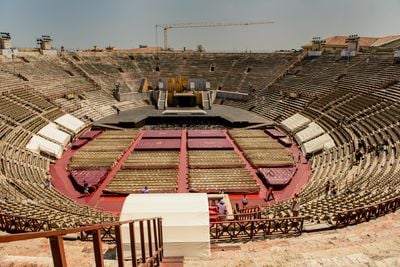
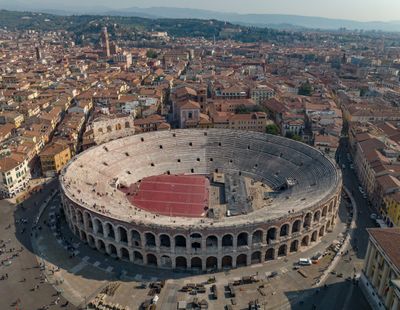
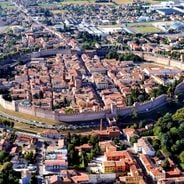
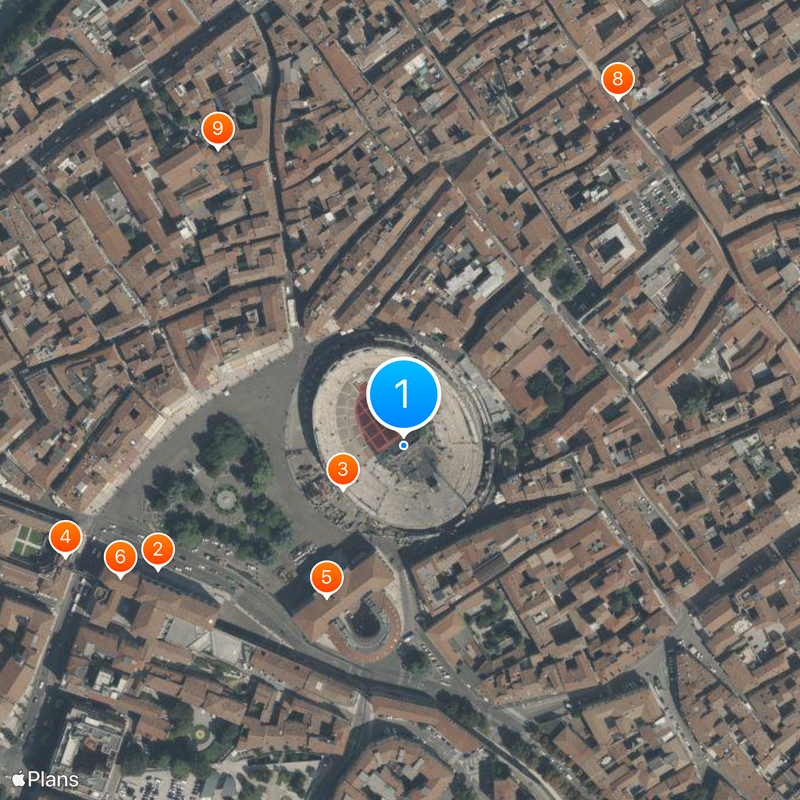
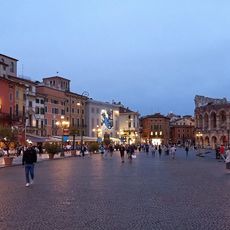
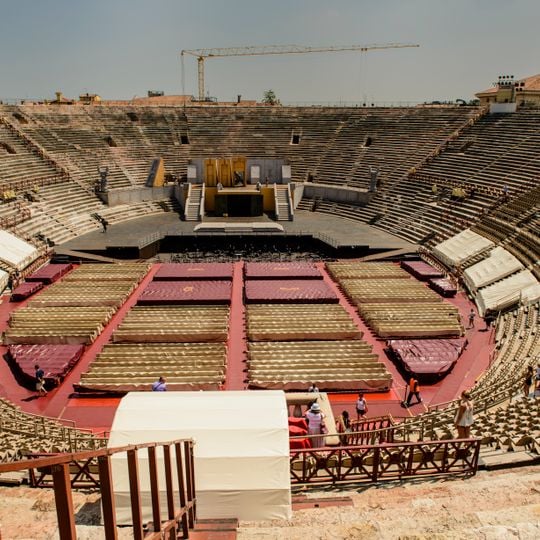
Verona Arena is a Roman amphitheater on Piazza Bra in Verona, built from pink and white limestone with an elliptical footprint of 152 by 123 meters. The 44 rows of stone seating surround an open performance area and offer sightlines from all sides.
The structure was completed in 30 CE outside the city walls at that time and served first as a site for gladiatorial contests and public games. In 1913, it began its use as an opera house with a performance of Aida, marking the start of the festival tradition that continues through today.
The stage in the center is built fresh each year for the summer performances, often with monumental sets that use the oval shape. Audiences sit on the same stone steps that Roman visitors used nearly two thousand years ago.
Visitors attending a performance should bring comfortable shoes and a seat cushion for the hard stone steps, especially for events lasting several hours. The upper rows offer a good overview of the entire oval, while lower seats are closer to the action.
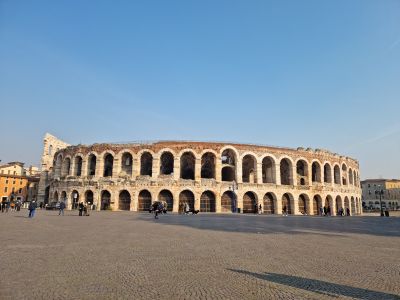
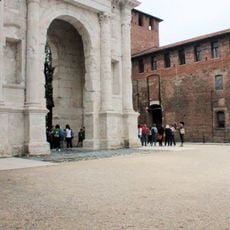
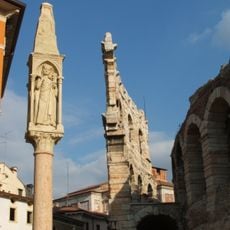
Only four arches of the original outer facade remain standing after an earthquake in 1117 destroyed most of the outer wall. These remnants are known locally as the Ala and form a recognizable landmark on the Piazza Bra today.
Location: Verona
Architectural style: ancient Roman architecture
Accessibility: Wheelchair accessible
Fee: Yes
Made from material: stone
Operator: Fondazione Arena di Verona
Address: Piazza Bra 1, 37121 Verona
Opening Hours: March 12-April 18 off; April 19-December 31 Tuesday-Sunday 09:00-19:00
Phone: +390458005151
Website: https://arena.it
GPS coordinates: 45.43889,10.99444
Latest update: December 4, 2025 19:02
Circular architecture has fascinated builders since ancient times. This collection brings together Roman amphitheatres like the Colosseum, medieval towers such as the Round Tower in Copenhagen, baroque domed structures and modern constructions. The circular form offers practical advantages for acoustic properties, structural stability and optimal space usage. The selected buildings serve various functions: religious temples, fortifications, observatories, museums and event venues. Each example demonstrates how architects have adapted the circular form to local conditions and cultural requirements. From ancient stone structures to contemporary skyscrapers, this selection documents technical evolution across centuries.
Porta Borsari
351 m
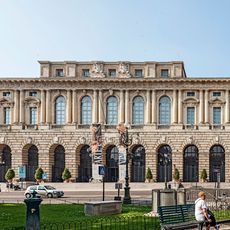
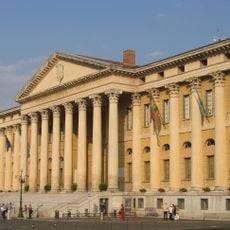
Gran Guardia
196 m
Verona historic center
53 m
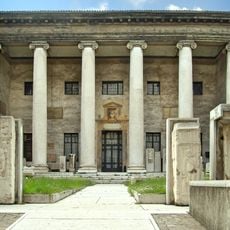
Museo Lapidario Maffeiano
254 m
Teatro Filarmonico
338 m
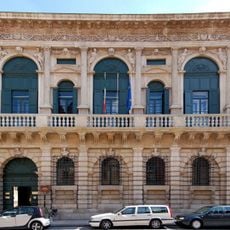
Palazzo Barbieri
121 m
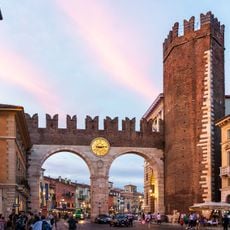
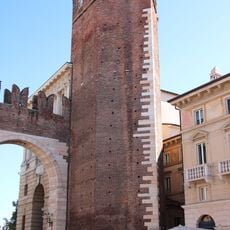
Portoni della Bra
222 m
Bevilacqua Palace
310 m
Walls of Verona
325 m
Santi Apostoli
250 m
Santa Maria della Scala
290 m
Sante Teuteria e Tosca
250 m
Chiesa di San Nicolò
127 m
House of degli Honorij
170 m
San Luca
321 m
Palazzo dei diamanti
189 m
Palazzo Carlotti
355 m
San Biagio Chapel
282 m
Chiesa di San Pietro Incarnario
253 m
Palazzo Ridolfi Da Lisca
235 m
Stradone San Fermo
327 m
Domus de Castelvecchio
219 m
Palazzo Turchi
288 m
Casa del Mutilato
350 m
Piazza Bra
102 m
Monument to Aleardo Aleardi
310 m
Torre Pentagona
222 m
Palazzo Pirelli
169 mVisited this place? Tap the stars to rate it and share your experience / photos with the community! Try now! You can cancel it anytime.
Discover hidden gems everywhere you go!
From secret cafés to breathtaking viewpoints, skip the crowded tourist spots and find places that match your style. Our app makes it easy with voice search, smart filtering, route optimization, and insider tips from travelers worldwide. Download now for the complete mobile experience.
A unique approach to discovering new places❞
— Le Figaro
All the places worth exploring❞
— France Info
A tailor-made excursion in just a few clicks❞
— 20 Minutes