Verona, Ancient Roman city in Veneto, Italy
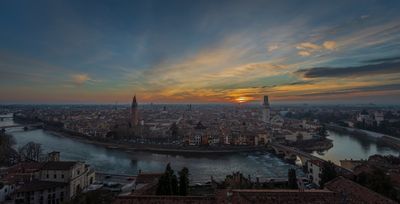
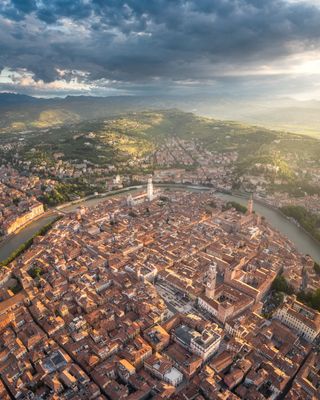
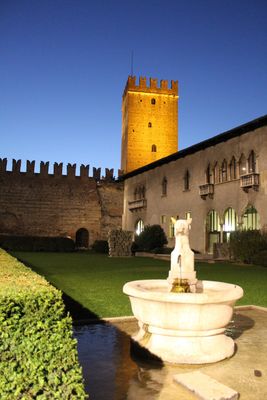
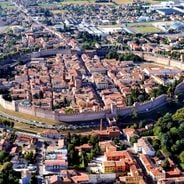
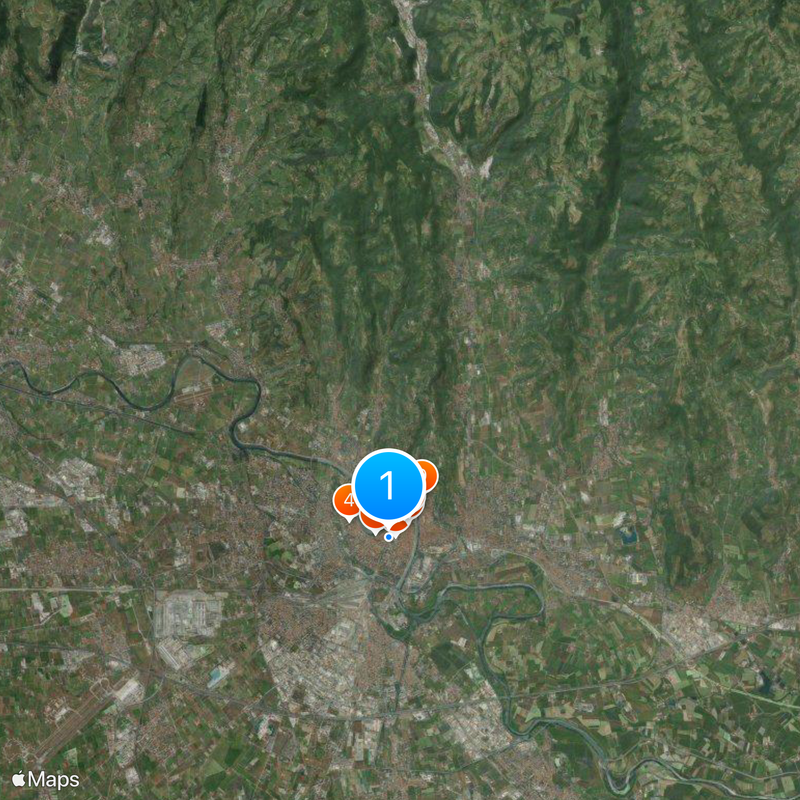
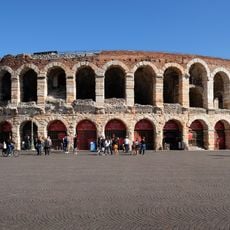
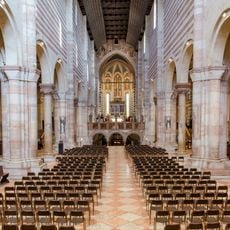
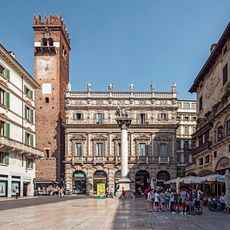
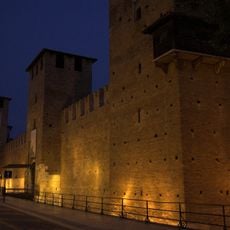
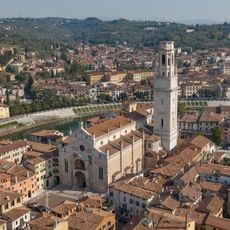
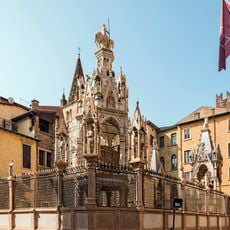
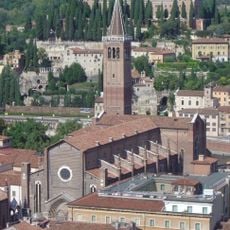
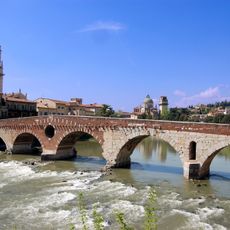
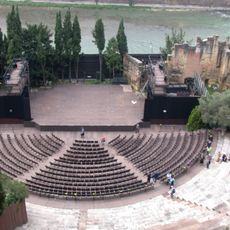
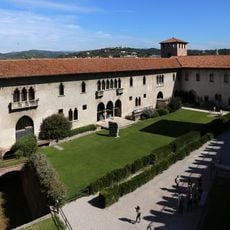
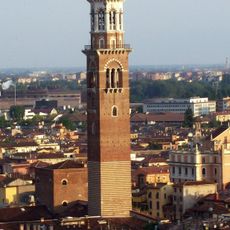
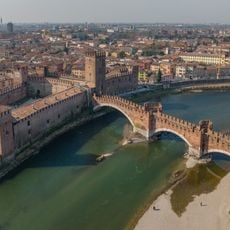
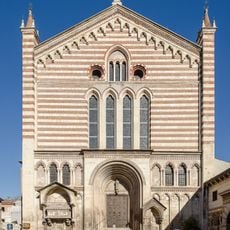
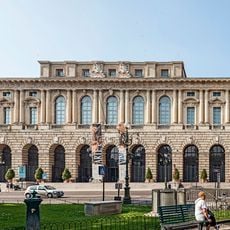
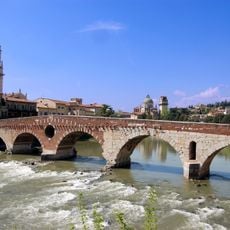
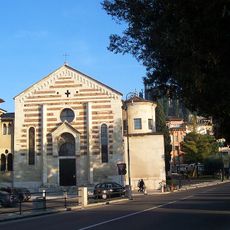
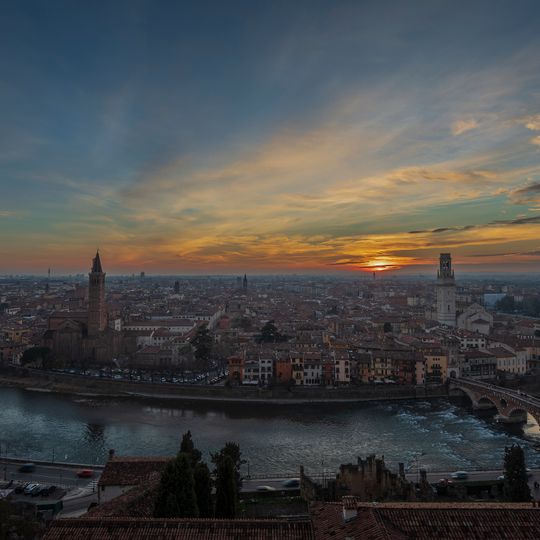
This northern Italian city sits along the Adige River, spreading across both banks and surrounded by medieval walls that trace the outer edges of the old town. The center combines Roman arches, Romanesque churches, Gothic palaces and a large Roman amphitheater that dominates the skyline when viewed from the surrounding hills.
The settlement appeared in 550 BC and later grew into a Roman colony, becoming a key stop on the route linking the Mediterranean with northern Europe. During the Middle Ages, the city flourished under the della Scala family and remained a crossroads for trade and political power across the centuries.
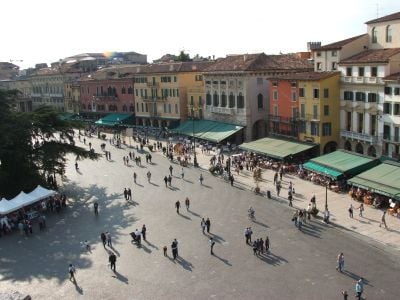
Local life revolves around the evening passeggiata, when residents walk through the historic center, gathering in the piazzas and stopping at cafés for aperitivo. Markets fill the squares several times a week, offering seasonal produce and local cheeses that reflect the culinary traditions of the Veneto region.
The old town is best explored on foot, with most attractions located within a short walk of one another along pedestrian streets and narrow alleys. Public buses connect the outer neighborhoods to the center, while bicycles are a common way to move through the flatter districts near the river.
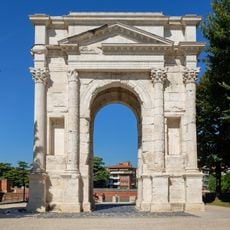
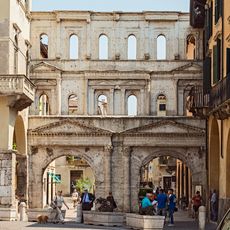
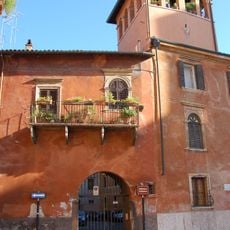
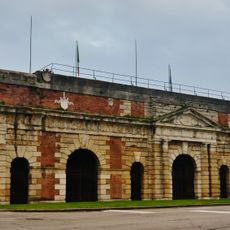
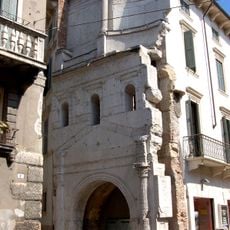
More than 30 Roman gates and arches remain throughout the city, many still in daily use as passages under buildings or entries to courtyards that were once part of the ancient street grid. The local red marble, known as rosso Verona, appears in pavements and facades throughout the center and has been quarried in nearby hills since Roman times.
The community of curious travelers
AroundUs brings together thousands of curated places, local tips, and hidden gems, enriched daily by 91,987 contributors worldwide.