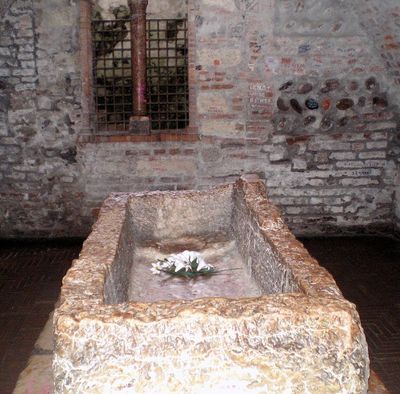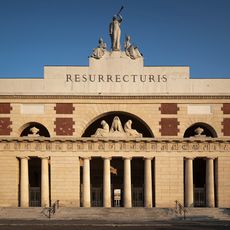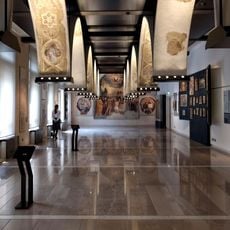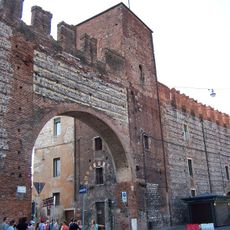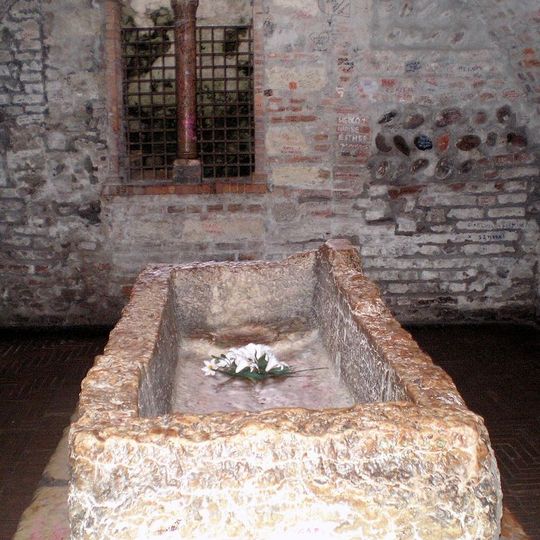
Tomba di Giulietta, Sarcophagus in San Francesco al Corso complex, Verona, Italy
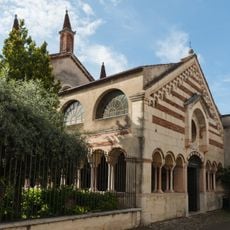
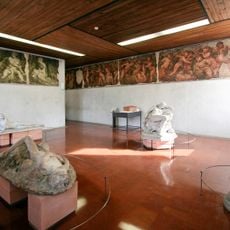
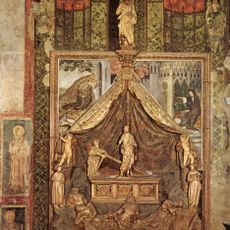
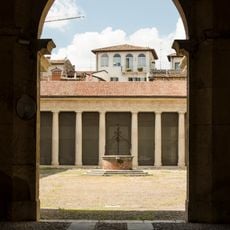
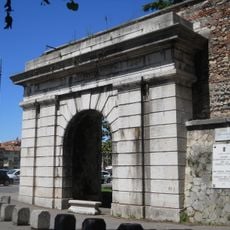
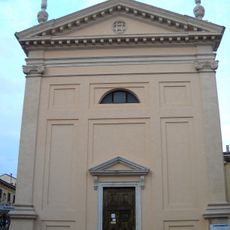
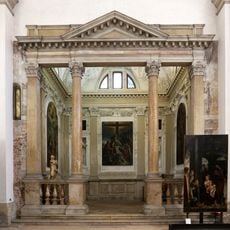
Tomba di Giulietta is a stone sarcophagus housed within the medieval cloisters of the former San Francesco al Corso Capuchin monastery. The coffin dates to ancient times and sits in a peaceful courtyard setting surrounded by arched walkways and monastic architecture.
The monastic complex was built in the 1200s and suffered major damage in 1624 when lightning struck the Torre della Paglia bell tower. The monastery was later restored and eventually became a place open to visitors seeking a connection to the Romeo and Juliet legend.
The stone coffin draws visitors who leave love letters through a small opening, keeping the Romeo and Juliet story alive through a contemporary ritual. This practice has made the site a destination for people seeking to express their feelings about love and loss.
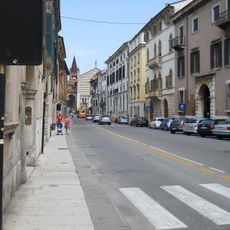
The site is easily accessible on foot and the monastic courtyards encourage walking around to take in the architecture and quiet spaces. It helps to allow time for exploration, as rushing through diminishes the experience of the peaceful surroundings.
The sarcophagus once served as a watering trough for animals during a time when the site had lost its cultural importance. This unexpected use reveals how historical places can fall into obscurity before being rediscovered and honored again.
The community of curious travelers
AroundUs brings together thousands of curated places, local tips, and hidden gems, enriched daily by 91,390 contributors worldwide.