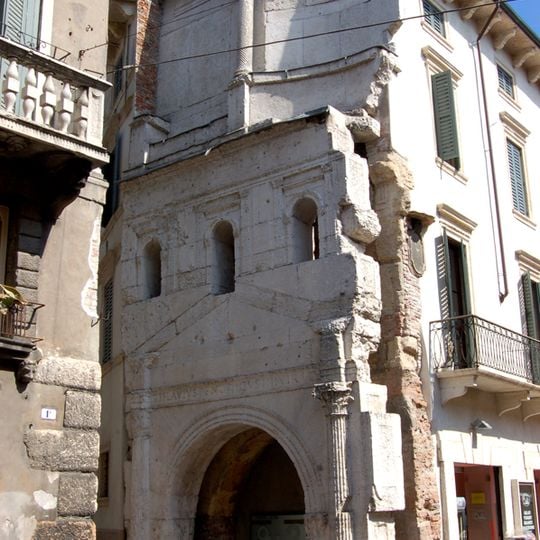
Porta Leoni, Roman gate archaeological site in Verona, Italy
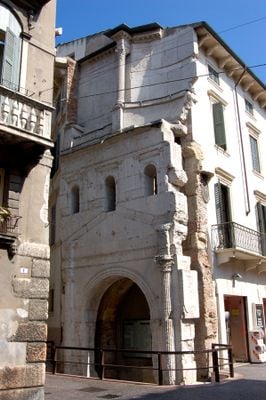
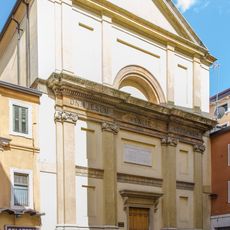
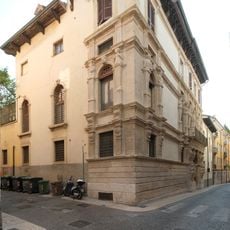
Porta Leoni is a Roman gate of the 1st century BC, rebuilt in the following century, of which only the inner façade survives, wedged between two buildings. It is faced in white Valpantena stone: a walled arched opening, an inscription band above it, three arched niches and a triangular pediment, with a fluted column at the right edge. The lower order resembles Porta Borsari; above, an exedra is framed by twisted columns.
The gate was built in the first century to control traffic on the cardo maximus, the main north-south road through Roman Verona. Its structure shows how Romans fortified and monitored their city entrances.
The gate shows how Romans organized their city and the importance they placed on entry points controlling movement. Visitors can observe the traces of how trade routes and daily passage shaped life in this location.
The remains are underground and can only be visited through guided tours that require advance booking. Visitors should expect uneven ancient surfaces and wear comfortable shoes.
The gate's name comes from a Roman tomb topped by two lions that stood on the road nearby; the monument was later moved near Ponte Navi. The medieval name was Porta San Fermo, after the neighbouring church, and Renaissance artists such as Giovanni Caroto, Sebastiano Serlio and Andrea Palladio drew the structure.
The community of curious travelers
AroundUs brings together thousands of curated places, local tips, and hidden gems, enriched daily by 93,650 contributors worldwide.