Roman theatre of Verona, Ancient Roman theatre on San Pietro hill, Italy
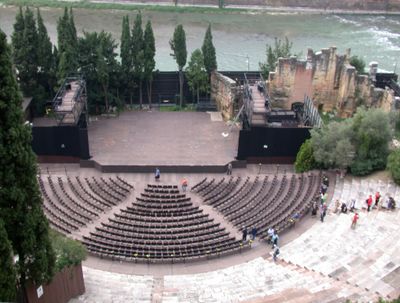
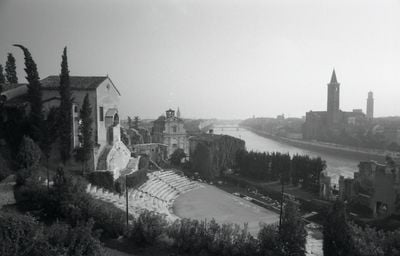
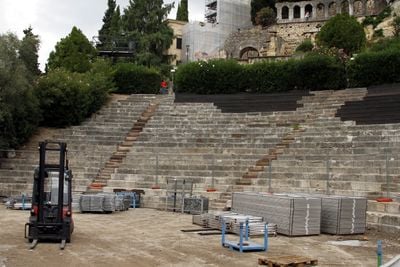
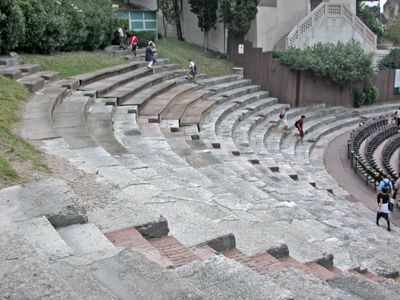
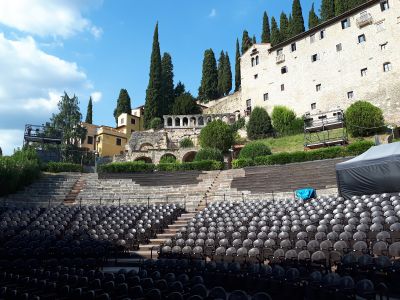
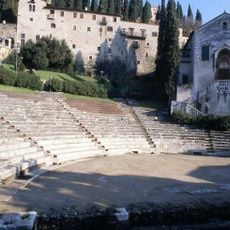
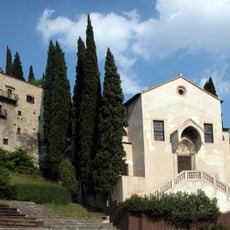
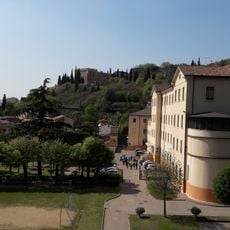
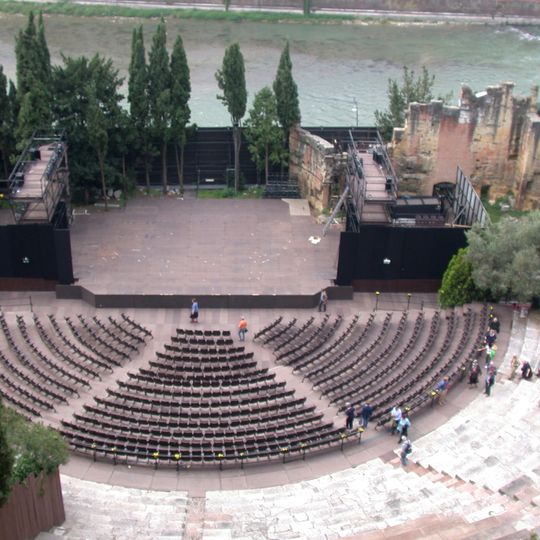
The Roman theatre of Verona is an open-air structure on the north bank of the Adige, with seating rows climbing the natural slope of San Pietro hill. The cavea forms a semicircle rising from the lowest rows near the river to the top tiers close to the monastery complex, where terraces offer views over the city below.
Construction took place in the late first century BC under Emperor Augustus, when Verona grew as a Roman colony. During medieval times the structure disappeared beneath houses and religious buildings, until antiquarian Andrea Monga began purchasing and uncovering the remains from 1830 onwards.
The name San Pietro recalls the church that stood on the ruins until the nineteenth century, using building materials from the theatre itself. Today the original entrances to the cavea remain open, showing how spectators once reached their seats through a practical system of Roman assembly planning.
The archaeological museum sits in the upper levels of the complex and offers access to terraces overlooking the river bank below. Visiting requires comfortable shoes, as several staircases connect the different levels of the cavea between the lower rows and the monastery.
The stage floor once concealed mechanisms that allowed operators to raise and lower the curtain during performances from below. This technical installation in the basement shows how Roman engineers created surprise effects in theatrical productions.
Location: Verona
Address: regaste Redentore, 37129 Verona
GPS coordinates: 45.44742,11.00164
Latest update: December 5, 2025 22:30
Italy holds archaeological sites spanning several millennia, offering insights into Etruscan, Greek and Roman civilizations. These locations include necropolises with thousands of tombs, well-preserved Roman villas and ancient settlements along the Mediterranean coast. Many of these sites lie beyond the more familiar destinations and document different aspects of Italian history. The Necropolis of Pantalica near Sortino contains approximately 5,000 rock-cut tombs from the Sicilian Bronze Age, while the Villa of the Mysteries in Pompeii is known for its wall paintings from the first century BCE. Villa del Casale near Piazza Armerina displays Roman floor mosaics covering more than 37,500 square feet (3,500 square meters). Etruscan burial sites like the Tomb of the Orcus in Tarquinia preserve frescoes from the fourth century BCE. The Archaeological Park of Elea-Velia near Ascea includes remains of a Greek colony founded in the sixth century BCE.
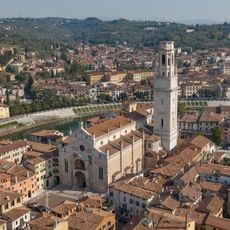
Verona Cathedral
367 m
Castel San Pietro
158 m
Sant'Anastasia
281 m
Ponte Pietra
137 m
Santo Stefano
200 m
Santa Maria in Organo
103 m
San Giovanni in Valle
306 m
Museo archeologico al teatro romano
61 m
Sant'Elena
377 m
Église San Giovanni in Fonte
329 m
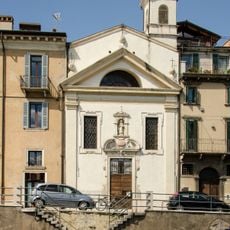
Santi Siro e Libera (Verona)
37 m
Church of St. Peter martyr of Verona
281 m
Palazzo Forti
328 m
Pellegrini chapel
318 m
Palazzo del Vescovado
302 m
Arena MuseOpera
364 m
Santa Chiara
269 m
Museo africano
361 m
Palazzo Bevilacqua (Verona, corso Santa Anastasia)
357 m
Rondella della Baccola
352 m
Osteria Ponte di Pietra
161 m
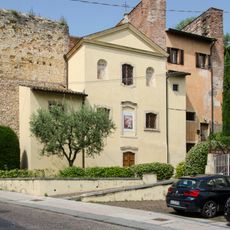
Antica chiesa di San Pietro in Castello
120 m
Chiesa Valdese di Verona
328 m
San Pietro Martire
361 m
Madonna del Terraglio
342 m
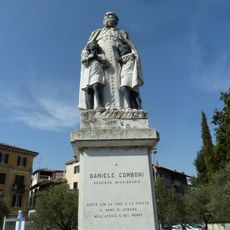
Monument to Daniele Comboni
361 m
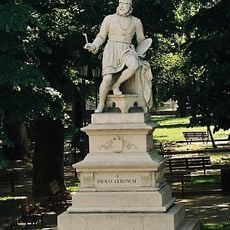
Monument to Paolo Veronese
170 m
Palazzo in tufo
247 mReviews
Visited this place? Tap the stars to rate it and share your experience / photos with the community! Try now! You can cancel it anytime.
Discover hidden gems everywhere you go!
From secret cafés to breathtaking viewpoints, skip the crowded tourist spots and find places that match your style. Our app makes it easy with voice search, smart filtering, route optimization, and insider tips from travelers worldwide. Download now for the complete mobile experience.
A unique approach to discovering new places❞
— Le Figaro
All the places worth exploring❞
— France Info
A tailor-made excursion in just a few clicks❞
— 20 Minutes