Pantelleria, Mediterranean island commune in Sicily, Italy
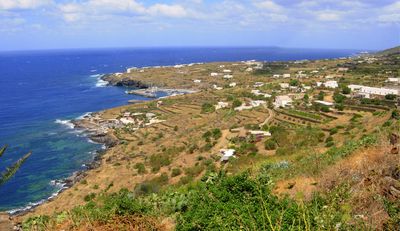
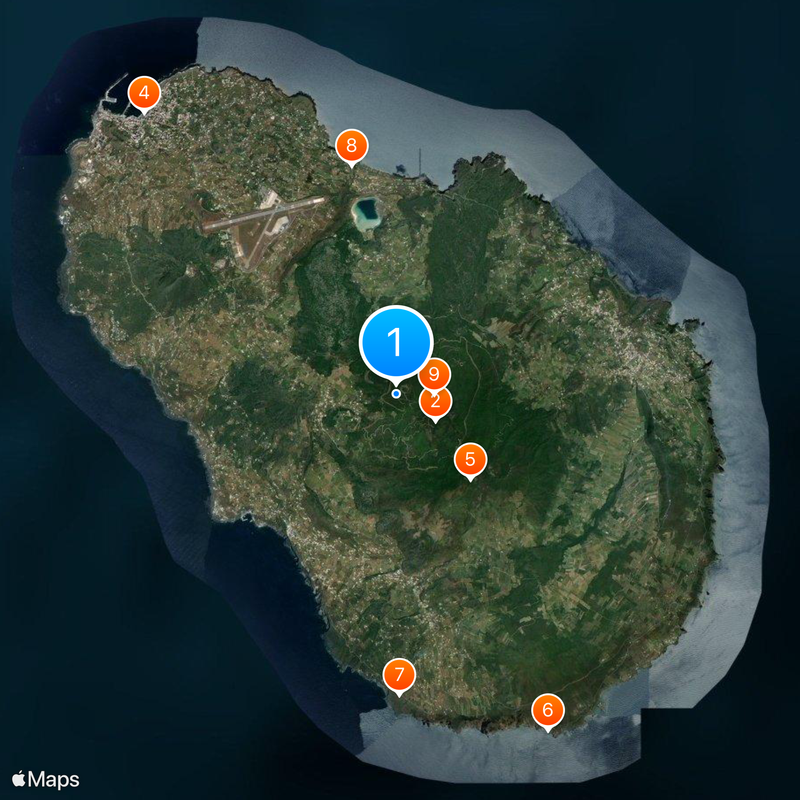
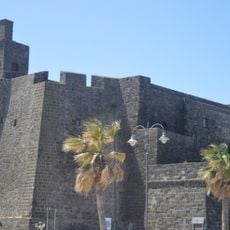
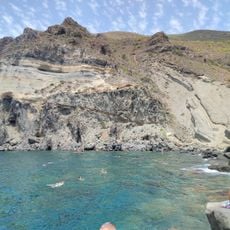
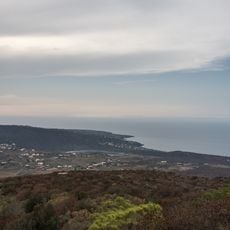
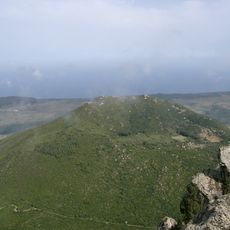
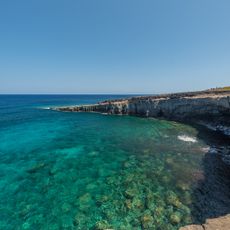
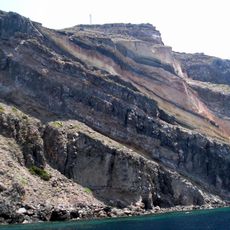
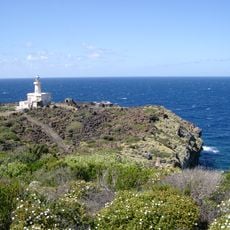
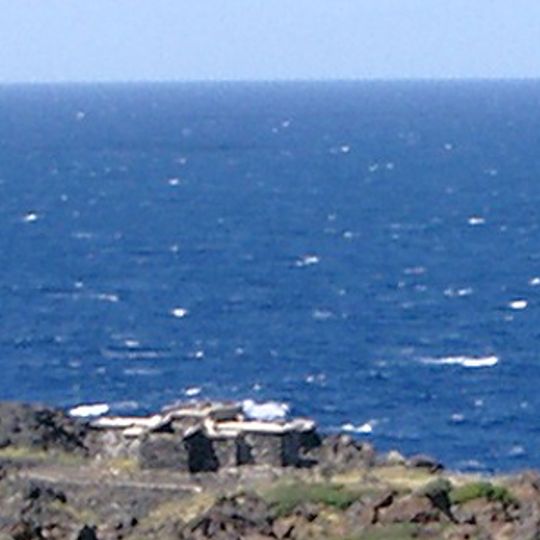
Pantelleria is an island commune in the province of Trapani, formed by volcanic activity and marked by dark rock formations, steep coastal sections, and warm springs emerging along the shore. The terrain appears dry and windswept, with terraced slopes and scattered settlements that adapt to the rocky topography.
The island functioned as a strategic military outpost during World War II until 1943, when Allied forces launched heavy bombing raids on its installations. In ancient times, Phoenicians, Romans, and Arabs used the location as a trading station, leaving behind traces of their presence in scattered ruins.
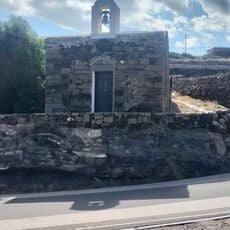
The local architecture follows building patterns shaped by volcanic stone and sparse rainfall, with walls designed to capture moisture from the night air. Many residents still cultivate capers and sweet wine grapes using dry-farming techniques passed down through generations.
Travelers reach the island through regular flights from larger Italian cities or ferry services departing from Trapani and Mazara del Vallo. Roads are narrow and winding, so drivers should watch for tight passages and occasional rough patches along rural routes.
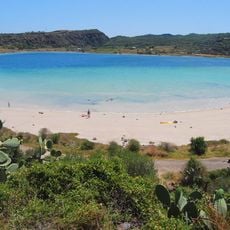
The Specchio di Venere occupies an extinct volcanic crater and holds mineral-rich waters along with natural mud deposits used by visitors for therapeutic bathing. Steam occasionally rises from the edges, revealing the volcanic origin of the basin beneath.
The community of curious travelers
AroundUs brings together thousands of curated places, local tips, and hidden gems, enriched daily by 91,915 contributors worldwide.