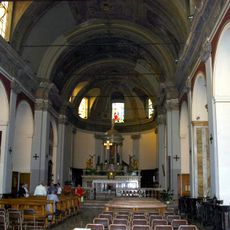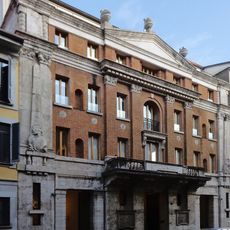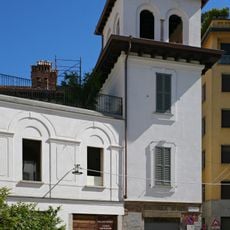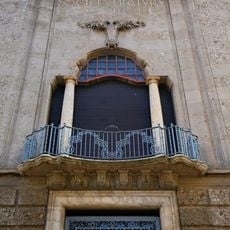
Milan Circo romano, Roman circus archaeological site in Milan, Italy
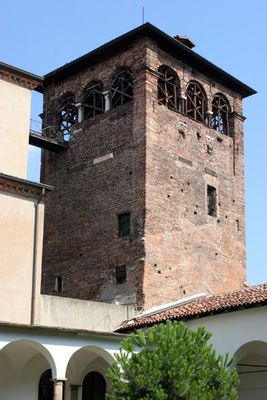
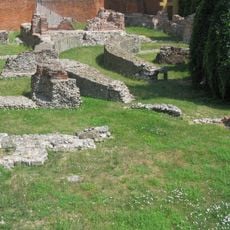
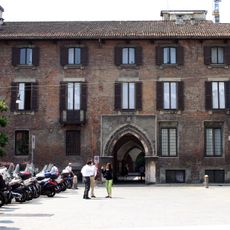
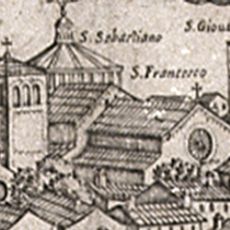
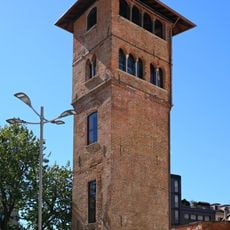
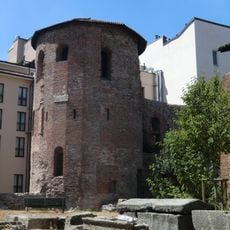
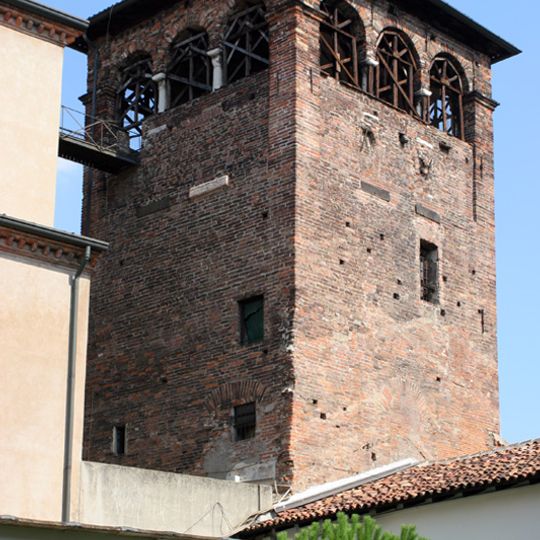
Milan Circo Romano is an archaeological site of an ancient Roman racing arena that once occupied a large area and showcased the engineering expertise of the period. Portions of the original walls and foundation structures remain visible today, integrated within modern buildings at their original location.
The circus was constructed during the 3rd century under Diocletian's Tetrarchy and became the largest entertainment complex of that era, confirming Milan's status as an imperial capital. Its construction marked a turning point in the city's development and reflected Rome's investments during this critical period.
The circus served as a major venue for chariot races and equestrian events that drew thousands of Roman citizens from different social classes to watch public spectacles. These gatherings reinforced the social bonds and civic identity of the urban population.
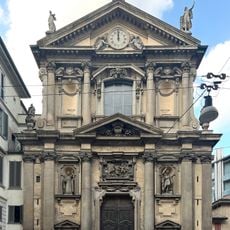
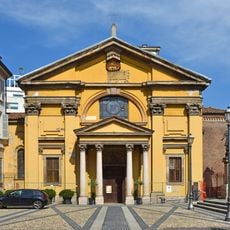
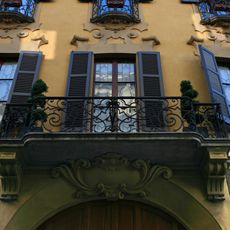
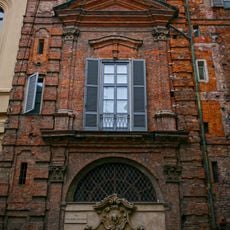
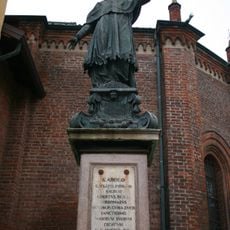
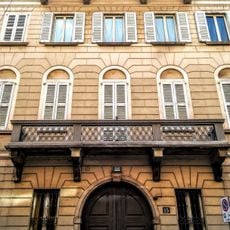
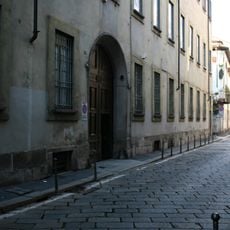
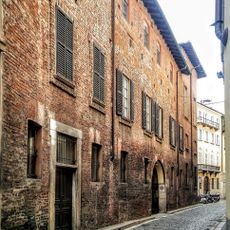
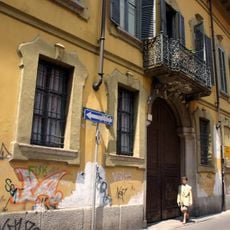
The remains are located at Via Circo 12, where visitors can examine sections of the original structures integrated into the surrounding modern buildings. The site sits in the city center, allowing for a walk through the area and exploration of history alongside contemporary urban development.
The western wall of the circus doubled as part of Milan's city defenses, merging entertainment infrastructure with military fortifications in a single structure. This practical integration of two functions demonstrates how Romans had to maximize space and resources in a densely developed imperial capital.
The community of curious travelers
AroundUs brings together thousands of curated places, local tips, and hidden gems, enriched daily by 91,479 contributors worldwide.