Peltuinum, Ancient Roman archaeological site in Prata d'Ansidonia, Italy
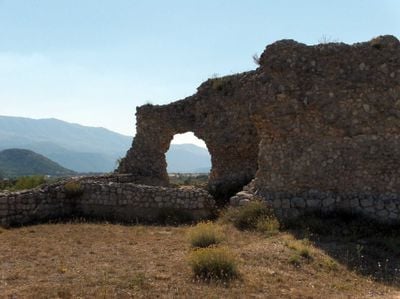
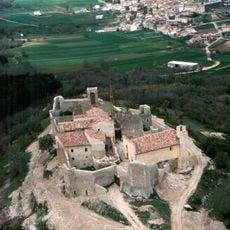
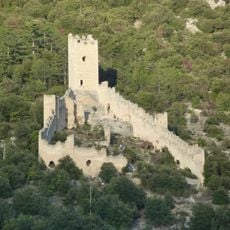
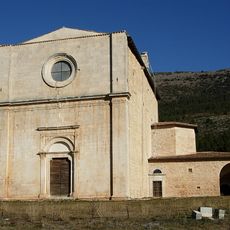
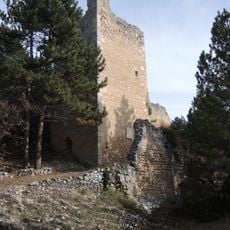
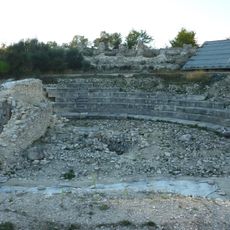
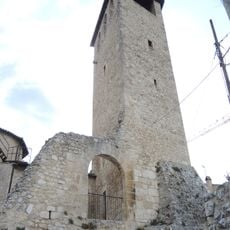
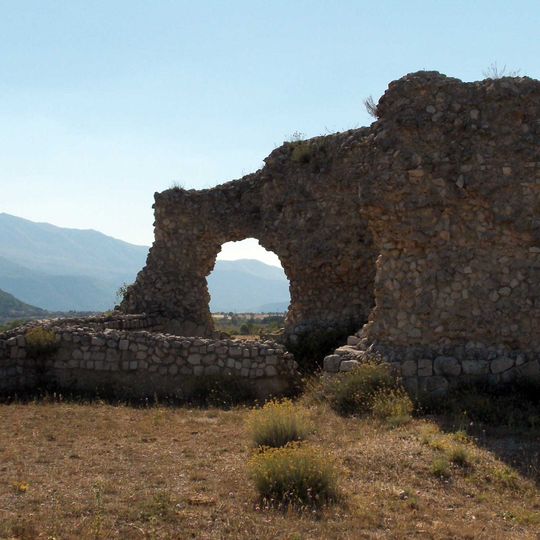
Peltuinum is a Roman settlement on a plateau in Prata d'Ansidonia, in the Abruzzo region, with preserved walls, a double-arched gate, and excavated building foundations. The ancient road grid and house outlines are still visible across the site, showing how the town was laid out.
The settlement was founded in the 1st century BCE and grew into an important stop along the Via Claudia Nova, a Roman road connecting the interior of central Italy to the Adriatic coast. A powerful earthquake in the 5th century CE accelerated its decline and led to the site being abandoned.
The temple with its Corinthian columns was likely dedicated to Apollo, based on what archaeologists found on site. Visitors can still read the layout of this sacred space and get a sense of how worship was organized here.
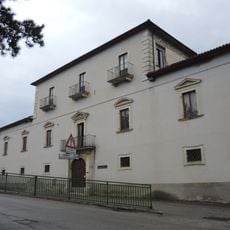
The site is open to visitors and has information panels that explain the layout of the ruins. A nearby museum displays objects found during excavations, giving more context about how people lived here.
The site served as an official checkpoint where fees were collected from shepherds moving livestock herds along ancient routes between central Italy and Puglia. This function placed it at the center of a seasonal movement of animals that shaped the economy of the surrounding region.
The community of curious travelers
AroundUs brings together thousands of curated places, local tips, and hidden gems, enriched daily by 92,745 contributors worldwide.